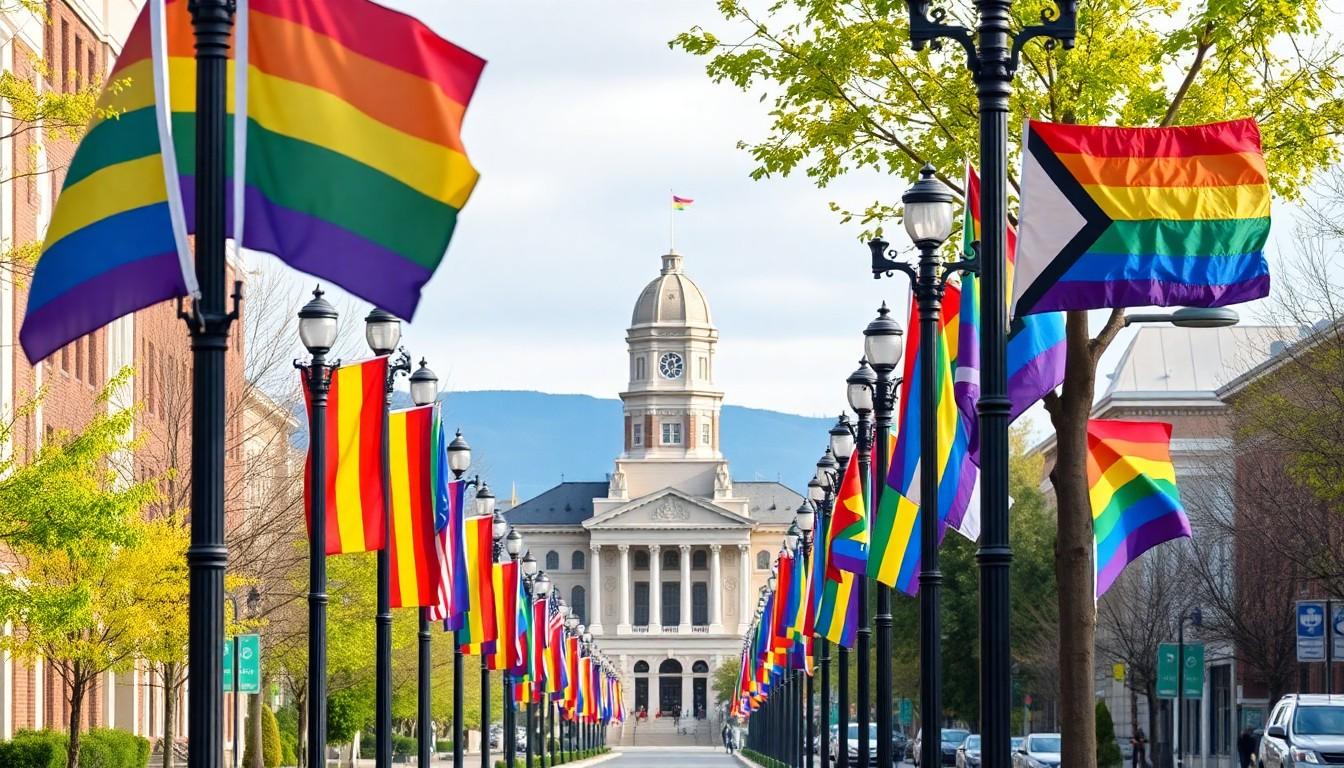
Shoppers and neighbours alike watched local pride unfold in a new way this June as Boise residents rallied to keep the rainbow visible after Idaho lawmakers barred Pride flags from government property; grassroots groups handed out flags, raised funds and turned front gardens into colourful statements that matter.
- Community surge: Local group Pride North End has distributed more than 250 Pride flags and 900 yard signs to residents, creating a patchwork of rainbows across Boise neighbourhoods.
- Fundraising success: A GoFundMe aiming for US$2,000 topped US$10,000, with leftover donations earmarked for LGBTQ+ charities.
- Legal spark: Idaho’s 2025 law restricts non-official flags on government property and was tightened after Boise tried to designate the Pride flag as an official city flag.
- Visible reaction: Rather than fly flags from lampposts or City Hall, residents are displaying them from homes, porches and yards , creating a dispersed, defiant display.
A vivid reaction: residents made pride a street-by-street sight
Boise's response is striking in its simplicity , rainbows on porches and fences instead of flagpoles , and it looks warm and human up close, a mix of hand-placed signs and purchased flags fluttering in the breeze. According to local reporting, volunteers have been knocking on doors and handing flags to anyone willing to display them, turning whole streets into visible support networks. It’s an obvious, tactile answer to an abstract legal restriction: if the state shrinks public visibility, people expand it from their own front gardens.
How the law pushed people into action
The legal back-and-forth began when Idaho passed a law in 2025 that limited flags on government property to official emblems, a move that affected long-standing displays such as Pride Month banners along Harrison Boulevard and at City Hall. Boise initially tried a workaround by designating the rainbow an official city flag, but legislators quickly amended the law to close that loophole and add penalties. Rather than waiting for another policy fight, neighbours organised. The result has been grassroots mobilisation rather than a protracted municipal battle.
Grassroots logistics: flags, signs and small-dollar campaigning
Pride North End’s campaign is low-tech and effective: a GoFundMe, bulk purchases and door-to-door distribution. What started as a US$2,000 target ballooned past US$10,000, showing there’s money and will behind local solidarity. Organisers say any surplus will go to LGBTQ+ nonprofits, so the effort has a charitable backbone as well as a protest element. Practically, if you want to join in, group coordinators suggest picking a visible spot on your property, securing your flag against wind, and pairing a flag with a simple lawn sign for maximum effect.
What this means for visibility and civic life
There’s a civic lesson here: symbols matter, and visibility is adaptable. When government display was curtailed, residents reclaimed public-facing space by turning private space outward. It’s a quieter kind of civil resistance , not a march or a court case, but a neighbourhood-level chorus of small gestures. Neighbours told local reporters they felt reinforced and safer seeing repeated symbols of support along their daily routes, a reminder that policy changes don’t erase community ties.
Looking ahead: will this model spread?
Community-led visibility like Boise’s could be a template elsewhere. Cities that face restrictions might find the simplest response is decentralised display , buy the flags, hand them out, and let people make streets into living banners. Organisers caution that this approach isn’t a replacement for legal advocacy; it’s a complementary tactic that boosts morale and keeps the issue in plain sight. For now, Boise’s block-by-block rainbows are a practical, human reply to a legal squeeze.
It's a small change that makes a big, visible difference , and a reminder that when official spaces narrow, ordinary people often widen the view.
Source Reference Map
Story idea inspired by: [1]
Sources by paragraph: