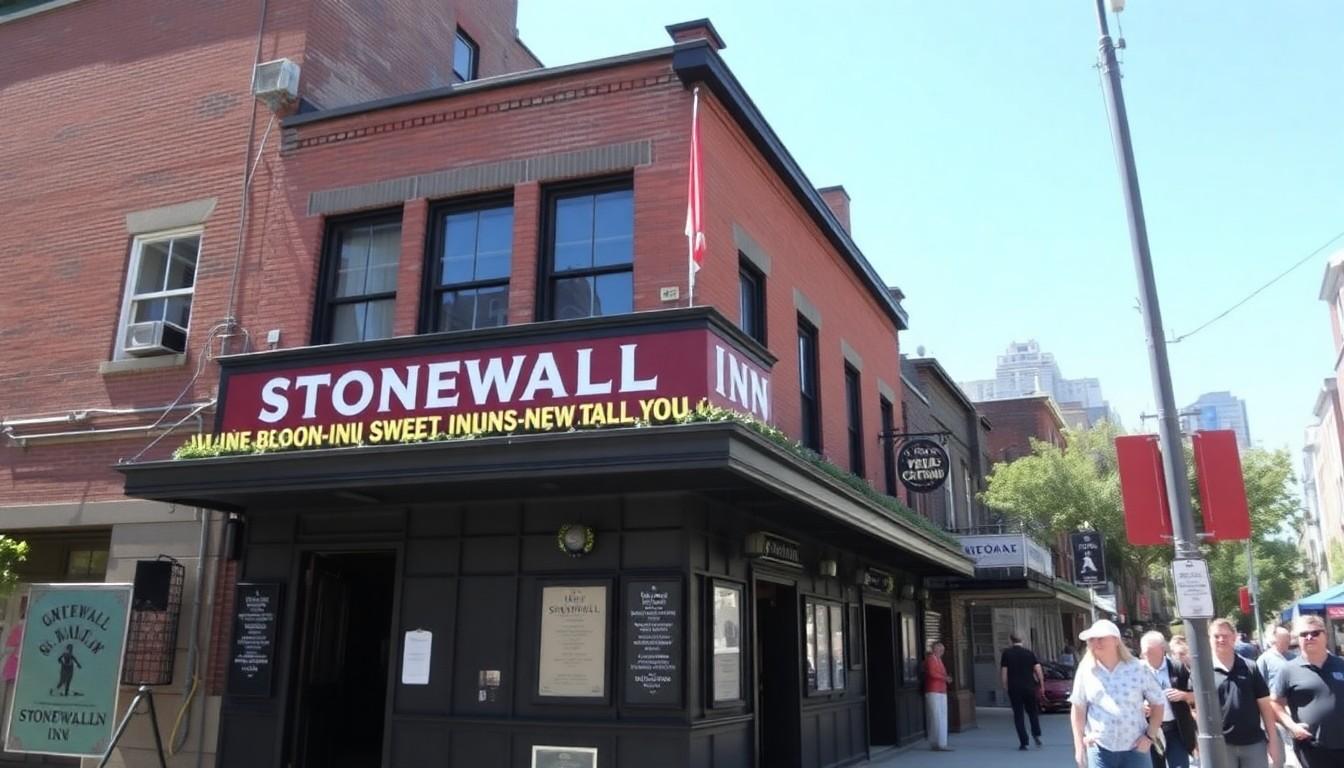
Shoppers and citizens alike mark Pride with colour and purpose , today’s guide explains who we’re celebrating, where the date comes from and why it still matters, with practical tips for attending parades, staying safe and joining in respectfully.
Essential Takeaways
- Historic trigger: The date marks the Stonewall uprising in Greenwich Village on 28 June 1969, a violent police raid that sparked protests and the modern gay rights movement.
- Flag symbolism: The rainbow flag, designed by Gilbert Baker in 1978, originally had eight colours; the now‑familiar six represent life, health, sunlight, nature, serenity and spirit.
- Local timelines differ: Argentina’s first Pride march was in 1992; the national calendar later shifted some events to November to mark a regional organisation’s founding.
- Atmosphere and access: Pride events mix festive parades with political protest, often including speeches, stalls and community services , expect loud music, dense crowds and visible rainbow flags.
- Practical prep: Wear comfortable shoes, carry water, plan meeting points and respect boundaries , remember Pride is both celebration and continued activism.
Why 28 June became Pride: the Stonewall spark
The simplest fact has a lot of weight: the modern Pride movement traces back to the 28 June 1969 raid on the Stonewall Inn in New York’s Greenwich Village, where police action met fierce resistance. The scene was chaotic and emotional, and many people present said they’d had enough of harassment and arrests. History.com and contemporary reporting show those nights gave rise to the first sustained protests by LGBT people in the city, and within a year organisers were planning commemorative marches. That original defiance set the rhythm for an annual day of visibility worldwide, mixing celebration with demands for rights.
The rainbow flag story and what the colours mean
You’ve probably seen the six‑stripe rainbow flag everywhere , on lanyards, T‑shirts and buildings , but there’s a backstory. Gilbert Baker, an artist and activist in San Francisco, created the flag in 1978 as a proud, public symbol after the long years of clandestine organising. His original version used eight colours; practicalities and fabric shortages eventually trimmed it to six, which now carry meanings like life, health and spirit. Flags do more than decorate; they broadcast identity and solidarity, and they’re a quick, visual way for people to find community on busy streets.
How Pride mixes party and politics today
Pride isn’t just a parade , it’s evolved into a calendar of actions: rallies, policy demands, community fairs and, yes, big parties. In many cities you’ll find stalls offering legal advice, health checks and advocacy group sign‑ups alongside DJs and floats. That dual nature matters because while Pride’s festive energy draws crowds, activists still use the moment to highlight issues like trans rights, asylum for LGBT refugees or workplace discrimination. If you join a march, expect both confetti and placards.
Pride in Argentina: a different calendar, same spirit
Local histories shape how Pride happens. Argentina’s first march in Buenos Aires was held on 3 July 1992, with a modest turnout that included support from human‑rights groups. Later, organisers shifted many events to early November to commemorate the founding of Nuestro Mundo, a pioneering regional organisation. That’s a reminder that global dates like 28 June coexist with national traditions, so it’s worth checking local schedules and meanings , your city’s Pride may highlight local campaigns or anniversaries alongside international themes.
Attending Pride: practical tips and good manners
If you’re heading to a march or festival, plan like you would for any large outdoor event. Wear comfortable shoes, bring water and sunscreen, and organise a clear meeting point in case your phone dies. Listen and learn: Pride is for the community, so follow guidance from organisers, respect personal space and avoid uninvited photos of people who may be there in vulnerable moments. Consider donating to local groups or volunteering , small contributions help keep support services running year‑round.
It’s a small change that can make every Pride moment kinder and more meaningful.
Source Reference Map
Story idea inspired by: [1]
Sources by paragraph: