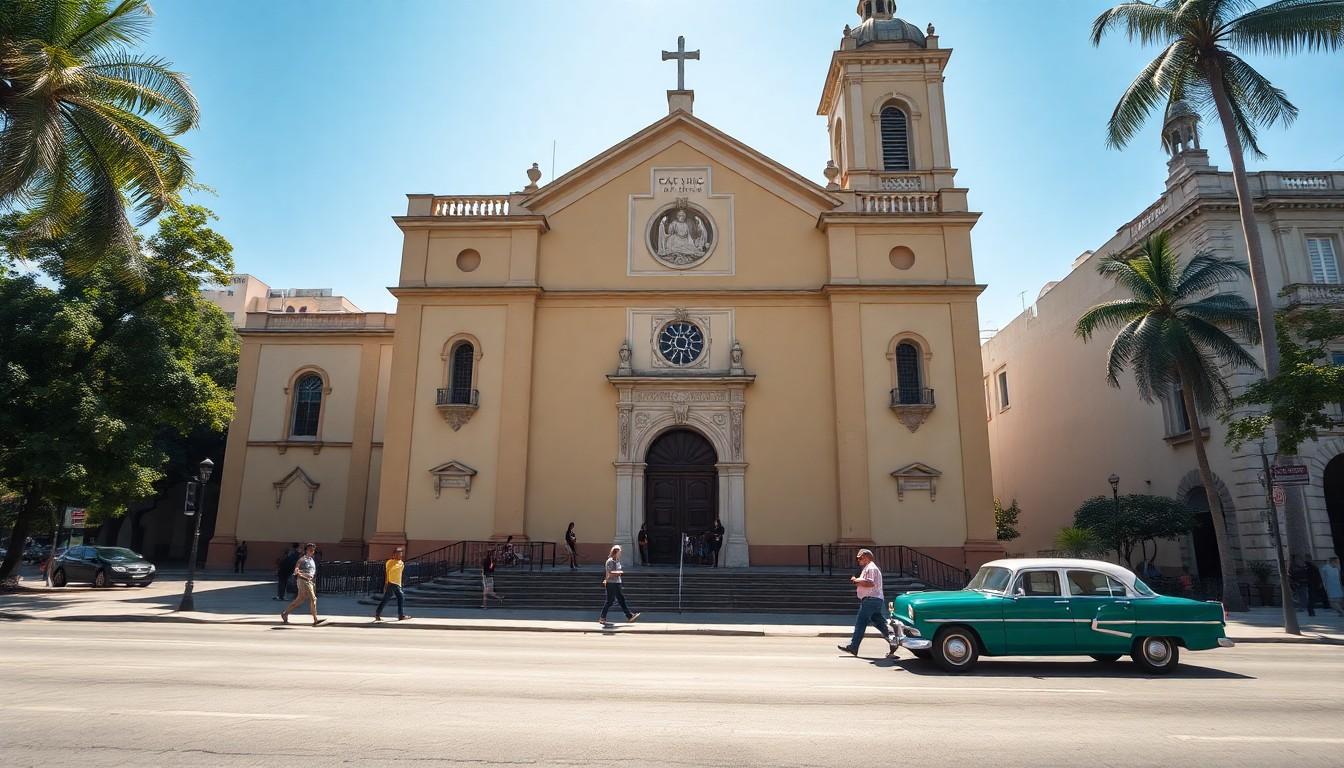
Shoppers of identity and faith are negotiating quiet revolutions at home: young gay Cubans who are also religious confront family expectations, church teachings and a state-led visibility that looks different from global Pride parades, here’s why it matters and what it feels like.
Essential Takeaways
- Legal progress: Cuba’s 2022 Family Code recognises same-sex marriage and adoption, a milestone in the Caribbean.
- Private resistance: Many families and religious communities still reject non-heteronormative identities, making home life tense.
- Controlled visibility: State-backed events like the Conga offer public recognition, but independent protests have been suppressed.
- Religious complexity: Catholic, evangelical and Afro‑Cuban traditions respond very differently, from explicit opposition to ambiguous acceptance.
- Everyday impact: For many young people Pride is not a colourful march but an internal balancing act between faith, family and safety.
A global anniversary that reads differently in Havana
June 28 has become shorthand for the modern Pride movement, a date rooted in the Stonewall uprising in New York in 1969, an image of noise, colour and defiance that still hums across the world. According to History and National Geographic, that spontaneous resistance launched an international moment of protest and celebration that now turns cities into sea of flags and parties every June. In Cuba, however, the day lands with a quieter thud. The sensory contrast is stark: where others march, many Cuban young people experience a hush at home and the scent of ordinary domestic life rather than parade confetti.
Laws on paper, contradictions in practice
Cuba’s Family Code, approved in 2022, puts the island ahead of many neighbours by legally recognising same‑sex marriage and parental rights. Yet laws don’t instantly rewrite kitchen table conversations. Interviews and reports suggest that legal equality hasn’t erased the sting of family rejection or school bullying for a lot of young people. Think of it as two tracks running in parallel: a progressive legal framework on one side, and long‑standing social attitudes on the other. If you’re choosing practical steps, start conversations slowly, pick trusted allies within the family, and look for community groups that operate discreetly.
Faith communities shape social lives in very different ways
Religion in Cuba is woven into daily routines, Catholicism, growing evangelical movements and Afro‑Cuban practices all leave marks. The Catholic hierarchy has publicly opposed same‑sex marriage, and many evangelical denominations make their stance explicit, warning of spiritual consequences. Meanwhile, some Afro‑Cuban traditions have historically named non‑heteronormative identities, producing a patchier, more ambiguous response. For a young person, coming out inside a church can feel like risking your social safety net. Practical tip: seek spiritual leaders or groups known for pastoral care rather than doctrinal rigidity; a compassionate priest or a more liberal congregation can make a world of difference.
State-sponsored visibility versus grassroots activism
Cuba’s CENESEX organises the annual Jornadas and the Conga Cubana against homophobia and transphobia, bringing visibility into state-approved spaces such as the Teatro Nacional. But when activists have tried to step outside the official script, organising independent marches or public actions, police interventions have followed. Reuters‑style reporting on state restrictions elsewhere shows the familiar pattern: authorised recognition, but tight boundaries on dissent. The takeaway is practical: participating in sanctioned events can offer community and safety, but those seeking systemic cultural change may face official limits and personal risk.
What it feels like to be young, gay and religious in Cuba today
For many young Cubans the emotional landscape is mixed, legal protections bring relief but don’t erase the ache of exclusion at home or church. Some describe a quiet resilience: private networks, coded gatherings and online solidarity that substitute for public parades. Others still live with the fear of losing their families or community ties. If you’re a parent, partner or ally, small gestures matter, a calm conversation, a shared meal, or simply refusing to let faith be used as a weapon. If you’re young and navigating this terrain, build a safety plan, find discreet support and remember that change can be slow but real.
It's a small change that can make every conversation safer.
Source Reference Map
Story idea inspired by: [1]
Sources by paragraph: