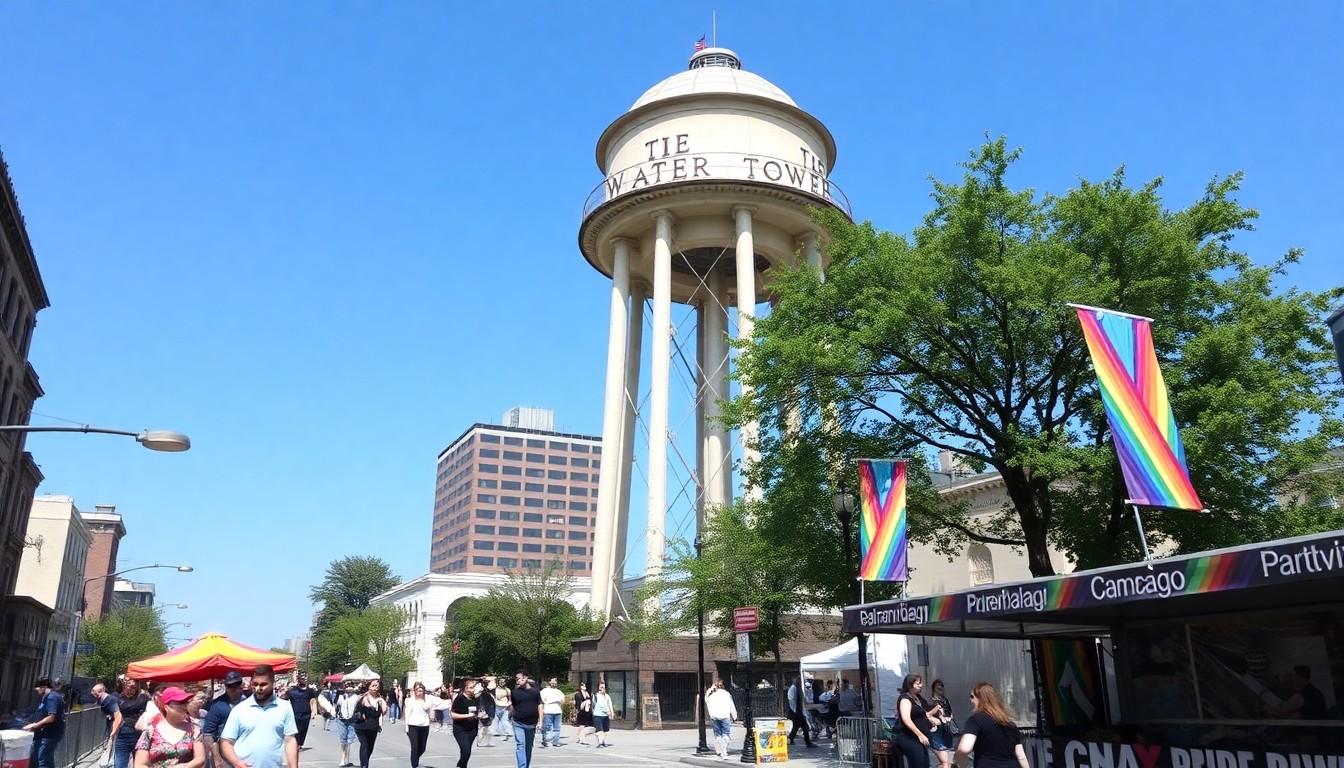
Shoppers and neighbours alike turned out as Chicago’s streets filled with colour and music for the 2026 Pride Parade; the volunteer-run PRIDEChicago flagship march, themed “Free to Be Proud,” brought elected officials, community grand marshals, and thousands of revelers together in a vivid show of solidarity.
Essential Takeaways
- Theme and mood: “Free to Be Proud” set a celebratory, inclusive tone for the parade, visible in floats, signs and outfits.
- Big turnout: Over 150 registered entries paraded through Lakeview and Lincoln Park, creating a lively, crowded route.
- Community leaders: Journalist Tracy Baim, civil rights leader Mona Noriega and philanthropist Evette Cardona served as Community Grand Marshals.
- Volunteer power: PRIDEChicago, the volunteer-run non-profit, organised the event, highlighting grassroots organising.
- Family-friendly vibe: The parade mixed party energy with civic presence , officials, families and local groups marched together.
A bright, noisy burst of pride with a clear message
Chicago’s Pride felt both like a block party and a history lesson, with vivid banners and the faint scent of street food in the air. The “Free to Be Proud” theme wasn’t just a slogan; it framed everything from the costumes to the speeches. According to PRIDEChicago, the theme was chosen to honour freedom and the activists who built the movement. Watching the route, you could see how a theme can shape atmosphere , there was joy, but also a quiet nod to seriousness when speakers referenced the work that remains.
Grand marshals who bridge past and present
Naming Tracy Baim, Mona Noriega and Evette Cardona as Community Grand Marshals gave the parade a connective thread. Baim’s work as a journalist and historian helps preserve queer stories, Noriega’s civil-rights background brings a policy lens, and Cardona’s philanthropy translates activism into tangible support. Local reporting and PRIDEChicago’s own announcements pointed to the decision as deliberate: these are figures who represent memory, advocacy and community investment. For attendees, seeing familiar faces at the front felt both comforting and significant.
Volunteers made it happen , and it showed
PRIDEChicago runs on volunteer energy, which was obvious in the smooth choreography of the day. Marshals, safety teams and staging volunteers guided floats and walkers through busy intersections, and vendors lined the sidewalks. That volunteer backbone is increasingly common among civic festivals, and it matters because it keeps costs down and roots the event in community values. If you’re thinking of joining next year, consider applying as a marshal or steward , it’s a great way to see the parade from the front row and help keep it safe.
A route that mixes party with neighbourhood life
The Lakeview and Lincoln Park route threaded residential streets and commercial strips, so the parade felt intimate even with thousands in attendance. Local businesses leaned into it , cafes posted rainbow flags and bars extended hours , while families planted spots on the kerb for the best view. News outlets covering the weekend noted a packed calendar of Pride-related events across the city, so the main parade becomes part of a broader festival vibe that’s both celebratory and economical for local commerce. Pro tip: arrive early, pack water, and scope a bathroom plan if you want the ideal spot.
What the turnout says about Chicago’s Pride future
This year’s large entry list and civic participation suggest Pride in Chicago is settling into a hybrid identity: equal parts protest, remembrance and a big communal party. Organisers and community leaders emphasised that inclusivity and remembrance were as central as celebration. Going forward, expect more collaborations between advocacy groups, businesses and volunteer networks, and perhaps more programming that links festivity to policy and support services. It’s pride with purpose, and that feels like progress.
It’s a small change that can make every parade feel both joyful and meaningful , and Chicago showed how to do both.
Source Reference Map
Story idea inspired by: [1]
Sources by paragraph: