Shoppers are turning out in force: NYC Pride’s 57th anniversary march drew huge crowds, star grand marshals and a weekender of events across Manhattan, and mattered because it combined celebration with a political reminder about the ongoing fight for trans rights. Here’s what to know, who led the march, and why this year felt different.
Essential Takeaways
- Grand marshals: Five leaders, Dominique Jackson, Peppermint, Bernie Wagenblast, Bowen Yang, and Gays Against Guns, headlined the march with speeches that mixed celebration and protest.
- Crowd energy: Streets filled hours before kickoff; festival zones from Astor Place to 14th Street offered BookFest, FamilyFest, FoodFest and more.
- Political edge: Speakers highlighted rising attacks on trans people and called for accountability from institutions and healthcare providers.
- Varied contingents: From youth groups and nonprofits to big corporate floats (Macy’s, JP Morgan Chase, Deutsche Bank), the procession mixed grassroots activism with visibility.
- Family presence: Parents, children and first-time attendees created a warm, colourful atmosphere that felt both joyful and urgent.
A morning voice that turned heads , and got a roar
The march began with a memorable moment when Bernie Wagenblast, known as the voice of the NYC subway system, tweaked a familiar announcement into something celebratory and inclusive, and the crowd loved it. The sound was cheeky and iconic, a tiny New York flourish that set a playful, proud tone.
NYC Pride organisers staged a 9:30am press conference where the grand marshals spoke about the theme, “For All of Us,” inspired by Marsha P. Johnson. According to NYC Pride’s announcement, the lineup was meant to reflect a mix of culture, activism and visibility, which it certainly did.
If you were there early, you’d have noticed festival-goers sampling books, wellness stalls and food vendors long before the first float rolled past. It was part celebration, part community day , a reminder that Pride is as much about everyday support as it is about spectacle.
Stars, activists and serious calls for change
Dominique Jackson and Peppermint used their platforms to name losses and to demand better protections, while Gays Against Guns reminded everyone of the lives taken by violence and the importance of remembrance. Bowen Yang blended solidarity with humour, the kind of comic relief that still landed as sincere.
The press conference also featured parents and advocates calling out healthcare restrictions, including a heartfelt appeal from Christine Clifford about cuts to youth gender-affirming care. Her story added a sharp policy edge to the day’s celebrations and underscored that Pride is often where personal experience meets political advocacy.
Expect more marches and more vocal demands as the political landscape keeps shifting; organisers and speakers made it clear this is a year for visibility and for pushing institutions to do better.
The route and the rituals , what the march looked and felt like
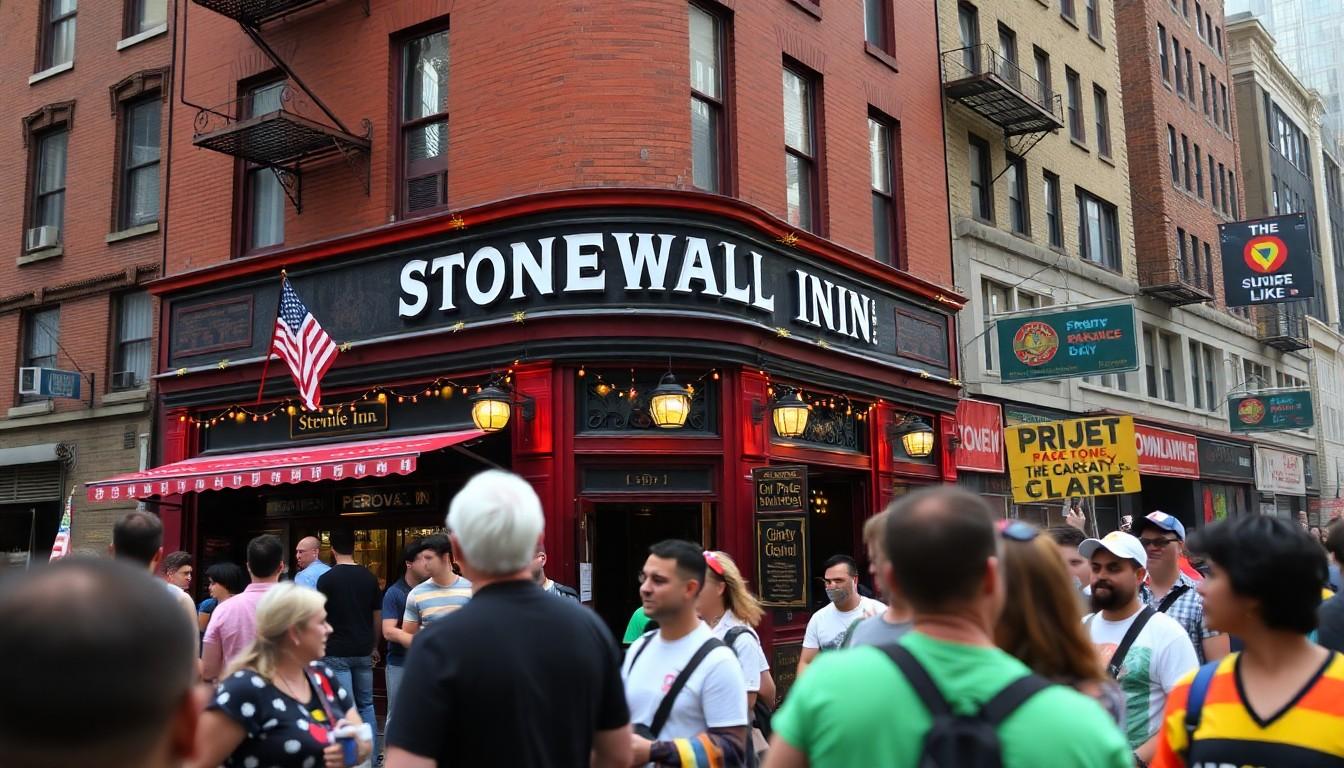
The march set off at 26th Street and Fifth Avenue, passed the Stonewall Inn and wound down to 15th Street and Seventh Avenue. Along the route, crowds clustered against barricades, folding chairs and rainbow flags creating a vivid, tactile spectacle.
Some contingents rocked booming speakers and elaborate floats; others carried handmade banners and walked in quiet solidarity. That contrast , the loud, choreographed corporate contingents beside grassroots groups and youth programmes , is part of what makes Pride visually and emotionally complex.
If you’re planning to attend next year, go early for a good vantage point, bring water, and layer clothing , the sun-plus-crowd combo can sneak up on you.
PrideFest and parallel events , more than just a parade
PrideFest stretched from Astor Place to 14th Street with themed areas: BookFest, CommunityFest, FamilyFest, FoodFest, StageFest and WellnessFest. It’s worth lingering in these pockets because they’re where community groups meet neighbours, where parents find resources, and where smaller organisations get their moment.
Meanwhile, the Reclaim Pride Coalition’s Queer Liberation March ran as a separate, police- and corporate-free action that began before the main parade. That split reflects a longer debate within the movement about visibility versus commercialisation, and both approaches drew supporters who wanted different things out of Pride.
Festival-goers appreciated the variety; whether you wanted high-gloss floats or grassroots banners, there was a corner of Pride for you.
What organisers and attendees said , mood, meaning, and what comes next
Speakers repeatedly tied celebration to urgency, noting how legal and social pressures on trans people have increased. Peppermint and others framed this Pride as an act of resistance as much as a party, and many in the crowd responded with cheers and direct support for trans-led groups and healthcare access.
For regulars and newcomers alike, the day felt both familiar and charged. People I spoke to described warmth and a fierce sense of purpose , families cheering from the sidelines, youth contingents proudly leading chants, older activists marking decades of change.
Looking ahead, expect Pride to keep evolving: more focused activism, continued debates over corporate participation, and a steady demand that institutions protect trans youth and LGBTQ healthcare.
It's a small change that can make every march mean more , bring a friend, listen, and join in where it matters most.
Source Reference Map
Story idea inspired by: [1]
Sources by paragraph: