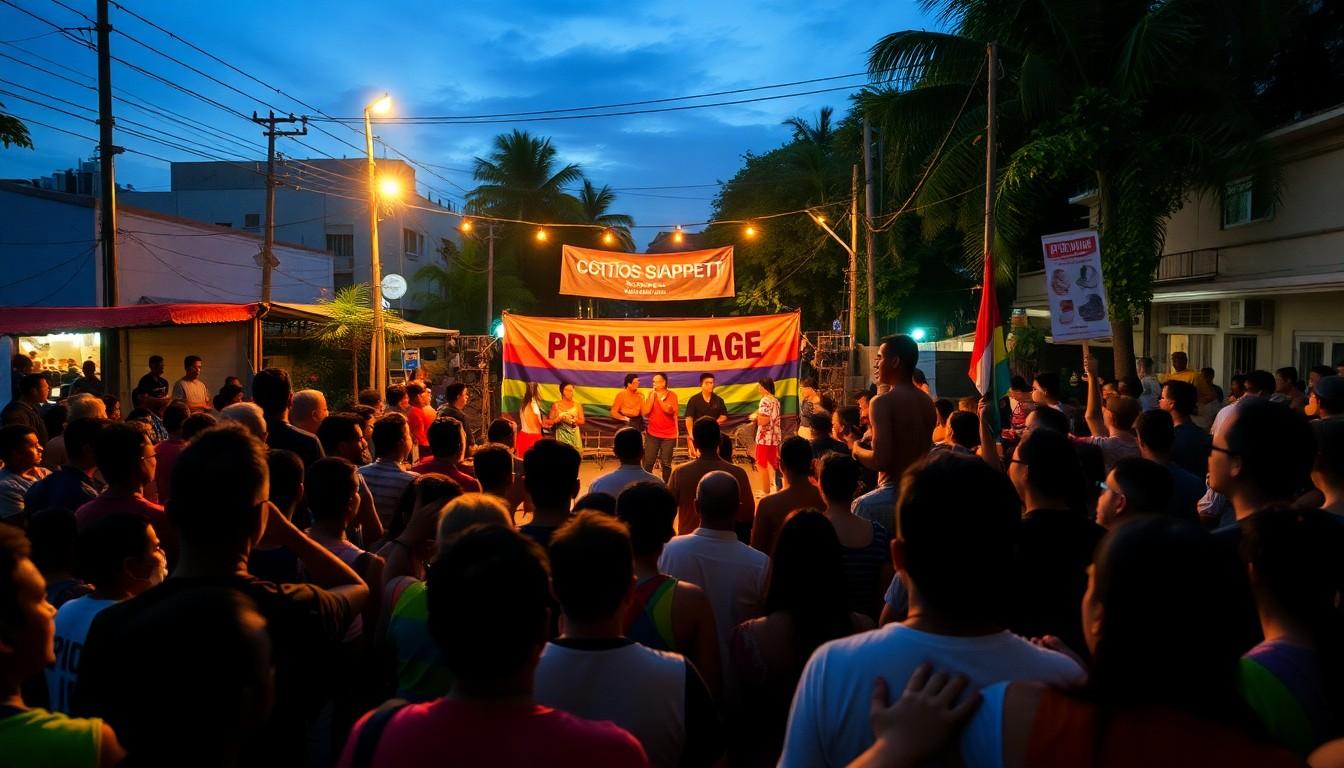
Shoppers of visibility and neighbours alike took over UP Diliman and Maginhawa on 27 June, as LoveLaban Pride PH 2026 became a celebration that felt less like a single march and more like a massive, colourful block party of families, barangays and allies , and it mattered for inclusion.
- Big turnout: Roughly 300,000 people gathered across UP Diliman and Maginhawa Pride Village, creating a lively, packed atmosphere.
- Community-first vibe: Barangays and local groups led the way, with Pasong Tamo winning the QC Pride Dance Competition , grassroots energy was tangible.
- Family-friendly scenes: Parents, kids and older relatives marched and watched performances, giving the festival a warm, intergenerational tone.
- Weather-tested resilience: Rain didn’t stop the crowd; umbrellas and bright ponchos added another layer of colour and camaraderie.
- Practical note: City officials stressed safety and privacy, while organisers urged respect and vigilance against misinformation.
A sight to see: half a million? No, 300,000 and counting , here's what felt different
The festival’s sheer scale hit you first , a river of colour, voices and banners that flowed from UP’s academic calm into Maginhawa’s foodie bustle. There was a soft, damp scent in the air from the rain, but it only made the rainbow flags and glitter pop against grey skies. Organisers and city officials reported an enormous turnout, and you could feel the shift: Pride as a public party, not just a protest. According to local coverage, that turnout turned performances and march routes into neighbourhood squares where children and grandparents mingled with activists and artists. If you’ve only seen Pride through TV clips, this one felt intimate despite the numbers , like your street had been invited to dress up and celebrate together.
Barangays took centre stage , why the dance competition mattered
Something fresh this year was the QC Pride Dance Competition, which brought barangays into the spotlight. Barangay Pasong Tamo won, with Bungad and Sangandaan close behind, proving that civic units are now active participants, not just spectators. That grassroots presence mattered because it shifted the frame: Pride wasn’t happening to a community, it was happening with the community. Local teams choreographed routines that mixed pop, drag-inspired camp and local humour, and the crowd cheered like it was a neighbourhood fiesta. For other cities watching, this is a reminder: invite barangays, invite schools, and you get an event that’s rooted, sustainable and less likely to feel polarising.
Families in the crowd , what that looked like and why it’s important
You could see parents holding toddlers, teens with painted faces, and older relatives waving pride hand fans. Those scenes echoed a broader acceptance trend that’s been visible in recent Philippine Pride events. The presence of families softened the atmosphere in a way that made performances and community booths feel genuinely accessible. Officials, including the city mayor, used the platform to reaffirm safety and inclusion, while education and civic groups urged attendees to respect privacy and rely on verified information. In short, this year’s festival balanced celebration with civic-minded reminders about safety and consent.
Rain, resilience and the spectacle of pop, drag and local art
A drizzle wouldn’t dampen the mood , if anything, it made costumes glimmer and crowds huddle closer. Drag performers, P-Pop acts and local artists filled stages, and the sound of cheers rose above the rain. Photographers on site captured soaked but ecstatic faces, and organisers reported that programming went on despite the weather. That resilience matters for event planners: have covered stages, water-resistant sound gear and clear shelter zones, and people will stay. Vendors did brisk business selling ponchos, snacks and novelty rainbow merch , a small economy of joy.
What this means going forward: Pride as neighbourhood practice
LoveLaban Pride PH 2026 demonstrated something civic leaders and activists often aim for , making Pride part of everyday community life. When barangays, families and allies visibly participate, Pride becomes less of a one-off spectacle and more of a recurring, normalised civic ritual. Expect future festivals to lean into local partnerships, kid-friendly programming and clearer public-safety messaging. If you’re organising or attending next year, tip one: coordinate with local barangays, plan for weather, and keep privacy and consent front of mind.
It's a small change that can make every celebration more welcoming and grounded.
Source Reference Map
Story idea inspired by: [1]
Sources by paragraph: