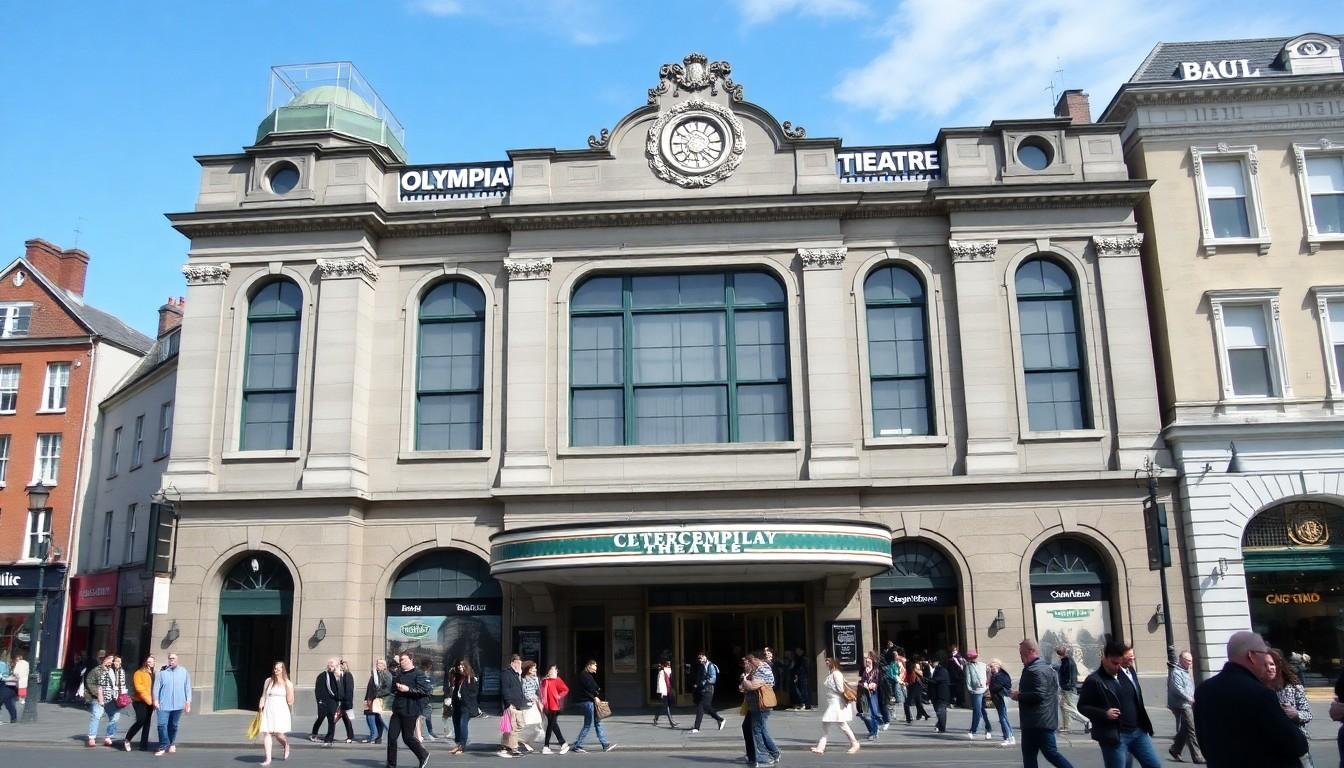
Shoppers, office workers and families spilled into Dublin’s sunlit streets as tens of thousands turned out for the 2026 Pride parade, a vivid mix of party and protest that mattered for rights, community and visibility across the capital. Here’s what happened, who led it and what to know next time Dublin fills with rainbows.
- Crowds: Tens of thousands lined O’Connell Street and the quays, creating a lively, colourful atmosphere and a steady hum of music and cheers.
- Route: Started at O’Connell Street, ran down Eden and Custom House Quay, crossed Talbot Memorial Bridge, then finished at Merrion Square , easy to navigate if you know road closures.
- Theme and tone: “One Story – Many Voices” set a celebratory but political tone, mixing floats, community groups and protest actions.
- Human moments: Philippa Ryder, the parade’s Grand Marshal, and a 600-strong Belong To youth cohort gave the day emotional weight and visible hope.
- Practical: Expect street closures and packed public transport; plan arrivals and meeting points in advance for families and groups.
A vivid day on O’Connell Street , colour, music and purpose
Dublin’s centre was awash with rainbow flags, brass bands and laughter as the parade set off shortly after 12:30pm. The scene felt both joyful and urgent, with people of all ages , teens in glitter, older activists in comfortable shoes , packing the pavements. According to official route information, the procession moved down Eden and Custom House Quay, over Talbot Memorial Bridge and through the southside quays before ending at Merrion Square, where Pride Village awaited.
Organisers framed the event around the theme “One Story – Many Voices”, deliberately blending celebration with a reminder that the community is diverse and politically engaged. That mix was clear on the day: there were floats playing pop anthems and, nearby, banners naming grievances and demands. If you’re planning to attend future parades, the Dublin City Council’s road-closure notices and event pages are worth checking early so you don’t get trapped by diversions.
Grand Marshal Philippa Ryder , visibility with a backbone
Author and activist Philippa Ryder led the march as Grand Marshal, a role that underscored long-running grassroots work in Irish LGBTQ+ life. Ryder’s presence felt symbolic: here was someone whose behind-the-scenes campaigning has quietly nudged policy and community spaces forward. Public figures often add gravitas, but the real show was the dozens of community groups whose banners offered local stories and practical supports.
That local participation is more than parade dressing. It’s a statement that services, youth groups and campaigning organisations remain essential between the festivals. For supporters who want to help, many groups publish wish lists or volunteer sign-ups on their pages , a small, effective way to stay involved beyond the photos.
Youth on the march , Belong To’s 600-strong presence
One of the most striking visuals was the Belong To cohort: over 600 young people aged 14–23 marching together. Kieran O’Donovan, the charity’s new chief executive, described how seeing young people openly together felt like progress. The energy was palpable , a mix of relief, relief and defiance , and it’s a reminder that Pride still matters most to those who are learning to live openly.
For parents and guardians, that visibility can be reassuring and practical. If you’re bringing under-18s, pick a clear meeting point, carry water and sunscreen, and talk through exit plans. Youth groups often have stewards and helplines on site, so note those in advance and share them with the young people in your group.
Protest and policy , Trans & Intersex Pride Dublin’s political funeral
Not all of the day was confetti and pop. Trans & Intersex Pride Dublin staged a stark “political funeral”, echoing ACT UP-style protest, with marchers clad in black and grey and holding gravestone-shaped placards. Their banner , a hard-to-ignore call-out about the National Gender Service , made clear that sections of the community used the parade to demand urgent reform in healthcare and services.
Pride has always held that dual role: it’s a party and a platform. If you’re attending to support protest-focused groups, stand respectfully and listen. Many groups have petitions or campaign pages you can sign, and lawmakers are watching the visibility as much as the choreography.
Logistics and looking ahead , how Dublin manages Pride day
Dublin Pride is a big city operation. Dublin City Council publishes route and road-closure details well in advance, and transport hubs get busier than usual. If you commute through the city on parade day, plan for diversions and longer journey times; if you’re a visitor, allow extra time to find quieter viewing spots or use the city’s event maps to avoid crowds.
Looking forward, the festival elements that bookend the parade , stages, Pride Village and performances , keep the mood lively into the evening. For families, that means you can treat the parade as a daytime highlight and then choose whether to stay or head home before the late-night events.
It's a small change that can make every Pride outing safer and more memorable.
Source Reference Map
Story idea inspired by: [1]
Sources by paragraph: