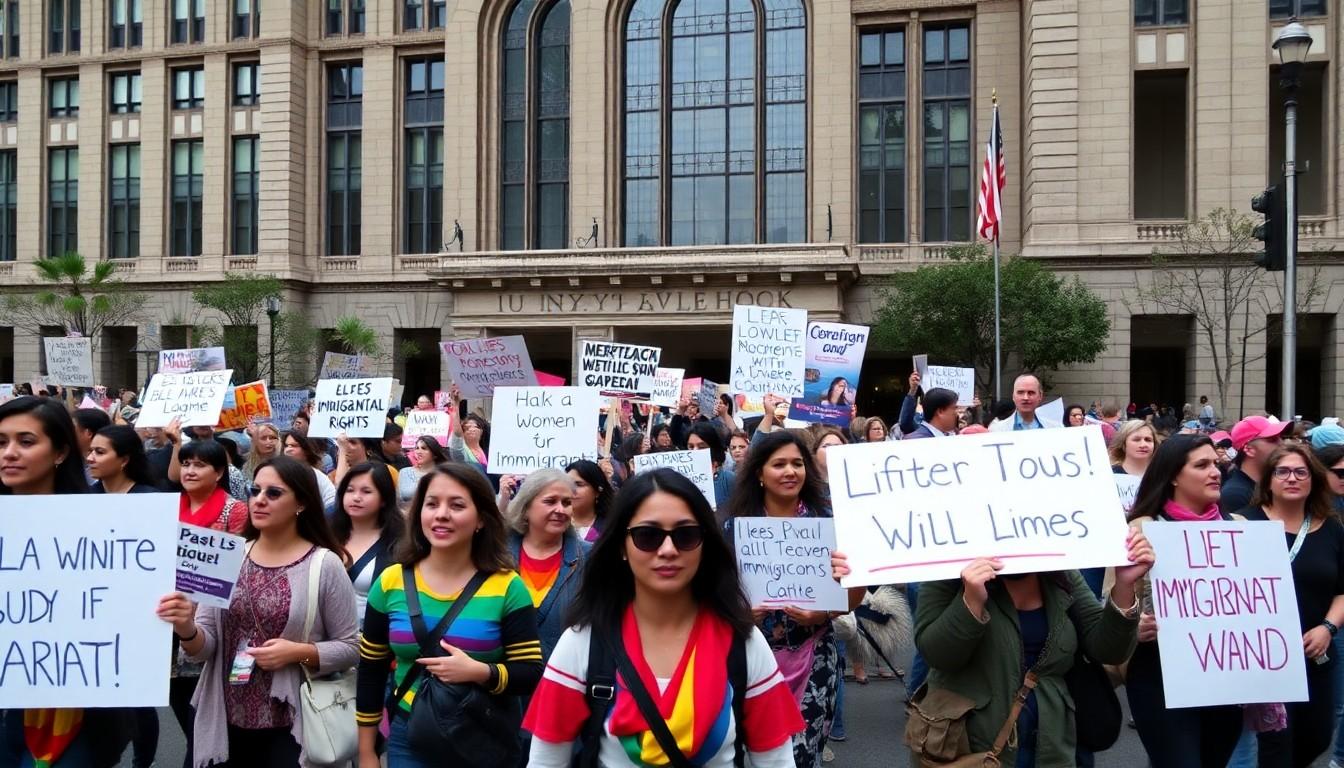
Shoppers are turning their eyes to a march that refuses to be polished: thousands packed Fifth Avenue for the 34th annual New York City Dyke March, a sponsor-free, permit-free protest that reminded everyone Pride is still a resistance. Photos, chants and homemade signs made the point loud and clear , queer liberation and immigrant justice are inseparable.
Essential Takeaways
- Mass turnout: Thousands attended the 34th annual Dyke March in New York City, marching without sponsors or official permits.
- Clear theme: The march used the slogan "Hot Dykes Melt ICE," centring immigrant justice amid reports of abuse and deaths in detention.
- Personal stories: Marchers carried homemade signs naming victims and raising historical links between queer communities and immigrant persecution.
- Raw emotion: The event felt urgent and mournful as much as celebratory, with people calling for closures of detention centres like Delaney Hall.
- Intersectional focus: Organisers and participants framed the protest as proof that queer rights and immigrant rights are bound together.
A march that looks and sounds like a protest
The Dyke March in 2026 was loud, colourful and deliberately uncompromised, with a tactile, human energy , the smell of city heat, the rasp of megaphones and handmade banners. Organisers stuck to the march’s founding ethos by keeping the event sponsor-free and permit-free, which kept the tone grassroots and urgent. According to coverage, that decision matters: it lets participants set the agenda without corporate gloss or restrictions, and it keeps the march tethered to its activist roots.
"Hot Dykes Melt ICE" , why the theme cut through
This year’s slogan put immigration enforcement at the centre of queer protest, drawing a direct line between Pride and the people most vulnerable under current immigration policies. Coverage noted that signs memorialised victims and named facilities like Delaney Hall, which marchers called out for human rights abuses. Framing the march this way kept it grounded in present harms , deportations, detention deaths and family separations , rather than letting it become purely performative.
Personal stories gave the message weight
People at the march carried photos and stories that turned headlines into faces. One marcher held a sign about a five-year-old taken by ICE, while another invoked Eve Adams, a queer immigrant from the 1920s who was deported and later murdered in the Holocaust. Those stories made the abstract real: history shows how state power can target both queer people and immigrants, and the Dyke March used those narratives to demand accountability now.
Why organisers resist sponsors and permits
Keeping sponsors off the route wasn’t just an aesthetic choice , it’s strategic. Without corporate funding or official permits, organisers say the march can be more honest and less censored, and participants can protest without negotiating language or priorities with donors. That trade-off means less money and no parade floats from brands, but it buys the movement a clearer voice and more radical political space.
What it means for Pride going forward
This Dyke March underlined a simple but provocative idea: Pride as resistance. When queer activism explicitly supports immigrant rights, it broadens the movement and builds real solidarity. For anyone thinking about attending future actions, the practical takeaway is clear , bring water, expect a rough-and-ready vibe, carry a message that matters to you, and be prepared to listen. The march may be small in logistics but big in moral clarity.
It's a small change of posture that keeps Pride honest and focused on who still needs protection.
Source Reference Map
Story idea inspired by: [1]
Sources by paragraph: