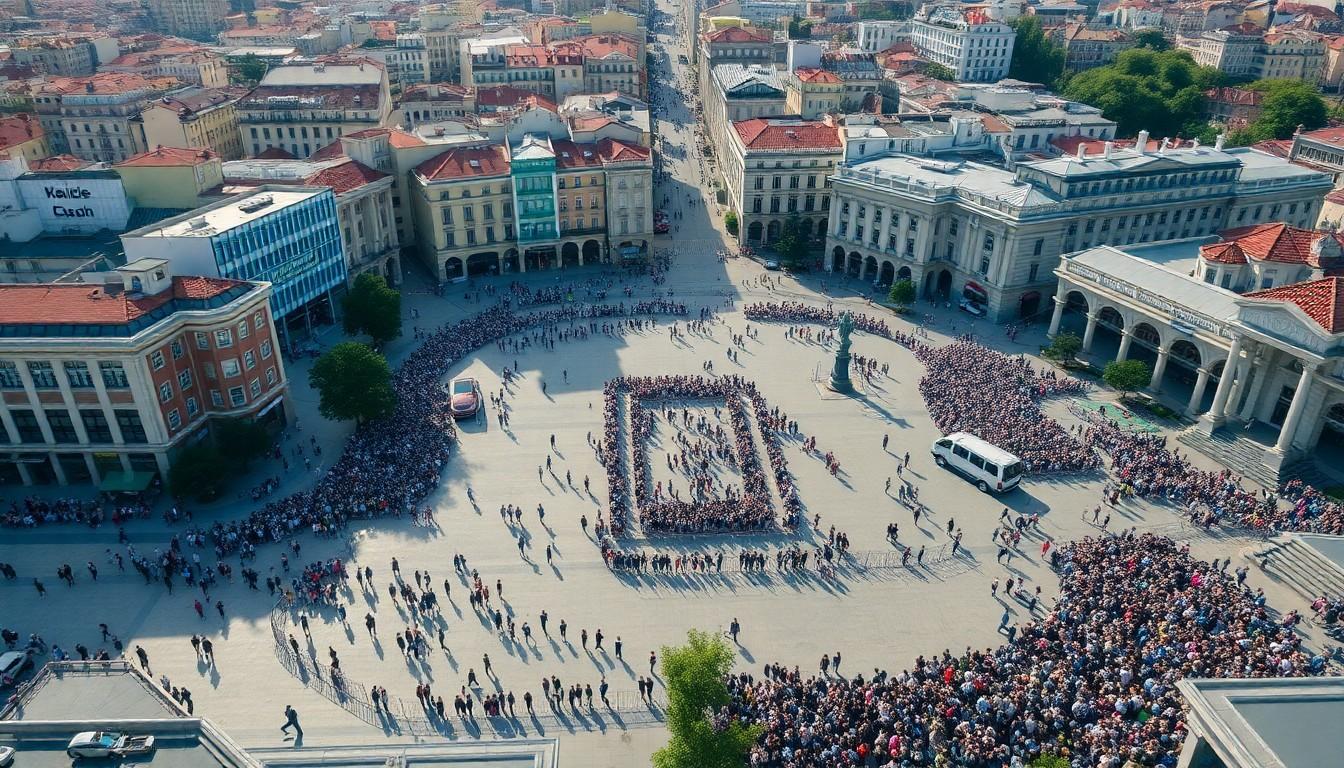
Shoppers and onlookers watched as police moved through Istanbul on Sunday, detaining dozens during a banned Pride event; protesters and rights groups say the clampdown highlights growing tensions over LGBTQ+ visibility in Turkey and why the story matters beyond one march.
Essential Takeaways
- How many detained: At least 50 people, including at least one accredited journalist, were taken into custody during Pride-related actions across Istanbul.
- Where it unfolded: Police sealed off Taksim Square and restricted transport to central neighbourhoods, while gatherings dispersed to several districts.
- Journalism under pressure: The Turkish Journalists’ Union reported that a press card-holding reporter was detained despite identifying themselves.
- Public reaction: Protesters chanted that they would not give up, and legal and civic groups voiced support, including a prominent banner from a bar association.
- Atmosphere: Scenes mixed defiance and tension , banners, chants and people marching from side streets rather than a single central parade.
Police moved early and cordoned off Taksim , what that looked like
Officers set up iron barriers around the city’s most famous square and tightened security on approaches, creating a quiet, tense ring around the usual Pride route. Commuters found subway access limited in several central stations, which added to the feeling of a city under temporary lockdown. Local officials had already banned demonstrations in major rallying spots, and the combination of prohibitions and barricades meant Pride energy migrated into neighbourhoods and side streets, giving the day a scattered, improvisational feel. For residents, it was a low-key, watchful kind of unrest , people talking in clusters, banners unfurled from apartment windows, and the odd chant breaking the city noise.
Detentions and the press: why the arrest of a journalist matters
The Turkish Journalists’ Union said Muberra Unsal, who holds a valid press card, was among those detained after identifying herself as a reporter. That raised instant concerns about media freedoms for outlets and independent journalists covering sensitive public events. According to reporting from several outlets, arrests weren’t just limited to marchers; they impacted people trying to document the day too. For readers, this underlines how reporting a story can carry real risk in some contexts, and why international scrutiny often follows these incidents.
Protesters dispersed but vowed to continue , the mood on the streets
Instead of a single march, activists gathered in multiple neighbourhoods and kept chanting lines like “We’re not giving up.” The fragmented approach didn’t dampen determination; if anything, it reinforced resilience and local solidarity. Legal and professional groups made visible gestures of support, such as a large banner reading “LGBT is human rights” draped from a bar association building. That mixture of civic backing and grassroots persistence suggests Pride in Istanbul has become less about one parade and more about ongoing visibility and rights campaigning.
What this tells us about rights and policing in Turkey today
Authorities’ pre-emptive measures , bans, transport restrictions, and heavy police presence , point to a wider pattern where public expressions on contentious social issues can meet firm official pushback. International outlets emphasise that these are not isolated administrative decisions but part of a tense civic climate. For anyone watching from abroad, it’s a reminder that crowd management and protest law are political, not just logistical. If you’re following these stories, look for how courts, bar associations and press groups respond next , their reactions often set the tone for what follows.
Practical takeaways for readers and would-be observers
If you’re planning to attend similar events in restrictive settings, check transport and local legal advisories first, carry identification, and if you’re a journalist, ensure accreditation is visible and that a colleague knows your location. For supporters who can’t be there in person, sharing verified reports and supporting local legal aid or press freedom organisations is a meaningful way to help. And remember: demonstrations evolve. When authorities close central spaces, gatherings move and adapt , small neighbourhood actions can be surprisingly powerful and harder to police en masse.
It's a small change in tactics that can make a big difference to people on the ground , and to how the story is told.
Source Reference Map
Story idea inspired by: [1]
Sources by paragraph: