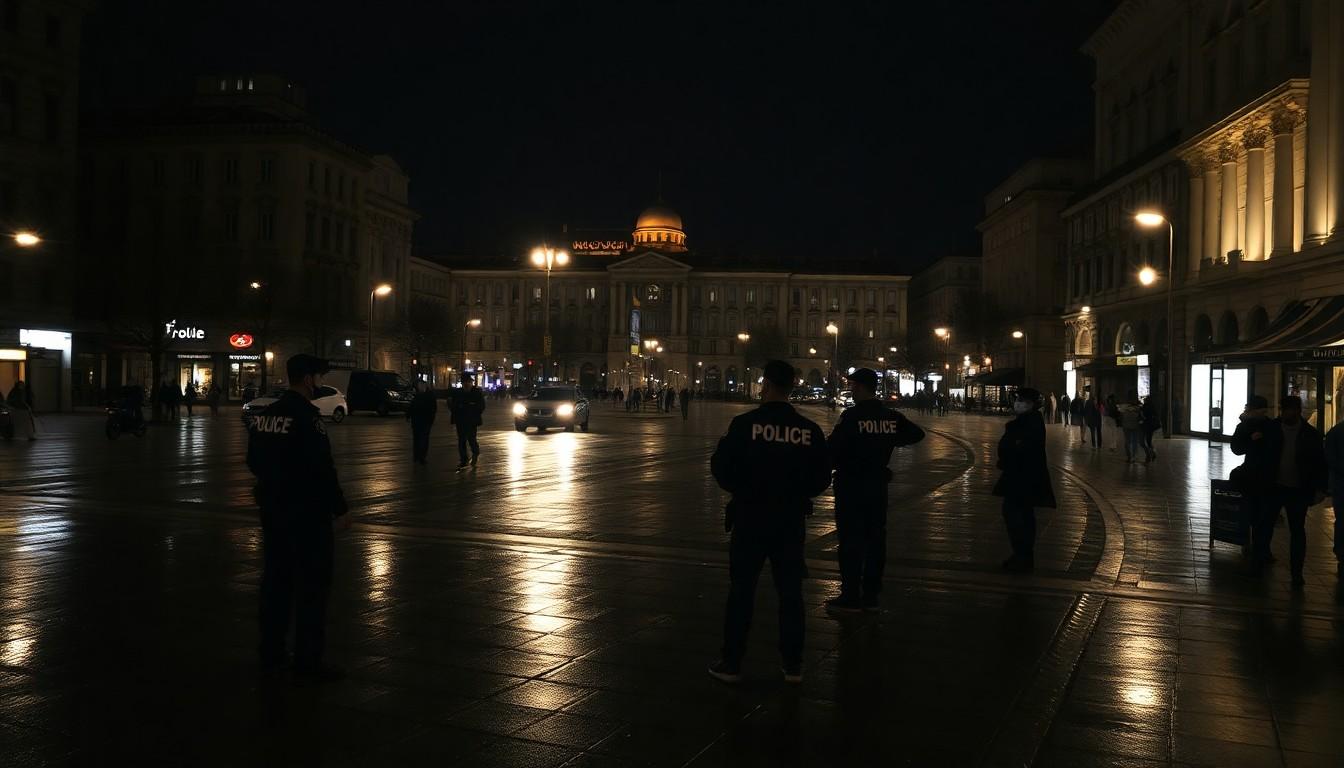
Shoppers, tourists and residents watched as police moved in during Istanbul’s Pride events, detaining at least 50 people including a journalist; the raids and restrictions around Taksim and Kadikoy underline why the city's LGBTQ+ community says public space and press freedom remain under pressure.
- Who was affected: At least 50 people detained, including a clearly identified reporter, with arrests across several neighbourhoods where Pride actions were planned.
- Heavy policing: Metal barriers, cordoned-off access to Taksim Square and metro restrictions created a tense, crowded-feeling city centre.
- Local pushback: Demonstrators vowed to carry on, chanting they would keep taking to the streets despite bans.
- Context: Homosexuality is not illegal in Turkey, but public life for LGBTQ+ people is increasingly constrained and stigmatised.
- Practical cue: If you plan to cover or attend Pride events in Istanbul, expect access limits, fluid plans, and the need to document press ID and legal support options.
What unfolded at Taksim , police, barriers and a city on edge
The clearest image from the day was metal fencing around the iconic Taksim Square, a hard, visual cue that something routine had changed. Journalists and Pride participants reported heavy-duty security and movement restrictions, and metro lines were limited in parts of the centre, which made the atmosphere feel claustrophobic and controlled. According to local and international outlets, officers detained dozens across multiple neighbourhoods where smaller gatherings went ahead instead of a single, permitted march.
This response follows a pattern seen in recent years: authorities routinely ban or disperse Pride events, citing public order. But for many residents and visitors the tactile reality , closed streets, uniformed lines, and people being led away , tells a different story about who gets to use the city’s public squares.
Press freedom under strain , a journalist arrested despite ID
One detail that grabbed attention was the detention of a reporter who said she repeatedly identified herself while working. Media groups raised alarms, arguing that legal and procedural safeguards for journalists weren’t observed. International press bodies and local unions said reporters covering Pride faced "illegal obstacles", and the arrest prompted renewed debate about the space for independent reporting in charged public events.
For anyone covering contentious gatherings, the takeaway is practical: carry clear press credentials, have legal contacts to hand, and record interactions where you can. Legal watchdogs often recommend sharing your location with colleagues and informing a lawyer or press association if detained.
Why this matters beyond one march , shifting public and political moods
It’s worth noting that while private behaviour is not criminalised, public and political rhetoric has been cooling towards LGBTQ+ visibility. Senior figures have publicly linked changing social norms to demographic concerns, which feeds a culture where queer visibility becomes an easy target. Meanwhile, closures of venues and civic events , from bars to art exhibits , show pressure extends beyond marches into everyday cultural life.
That shift has consequences. People avoid public spaces, venues lose business, and events are reconfigured or cancelled, often after pressure from conservative groups. For visitors and locals alike, the landscape for queer culture in Istanbul now requires more calculation and resilience.
How activists adapted , small gatherings, loud voices
Organisers and protesters didn’t vanish: instead they dispersed into several neighbourhoods and used smaller, improvised gatherings to keep the message alive. Chanting that they would continue to take to the streets, participants made clear that restrictions would not equal silence. These tactics mirror those used by activist movements elsewhere when official routes are closed , decentralise, be visible in multiple places, and document everything.
If you’re thinking of joining or supporting such actions, plan for fluidity: meet points can change fast, public transport may be limited, and there’s safety in numbers and clear exit plans. Carry water, wear comfortable shoes, and keep emergency numbers and legal aid contacts saved on your phone.
Looking ahead , what this means for rights and visitors
The immediate question is whether heavy-handed policing will become the default response to public LGBTQ+ expression in Turkish cities. For travellers, cultural visitors and journalists, the advice is simple: expect unpredictability, be prepared to adapt plans, and respect local guidelines while standing mindful of your safety. For residents and activists, the day reinforced a familiar truth , when public space shrinks, protest finds new routes.
The scene in Istanbul felt both defiant and fraught; the chant that "we’ll keep coming out" echoes beyond a single square and into conversations about freedom of assembly, press freedom and who owns the city’s streets.
It's a small change in policy or attitude that could make a big difference to whether people can live visibly and safely.
Source Reference Map
Story idea inspired by: [1]
Sources by paragraph: