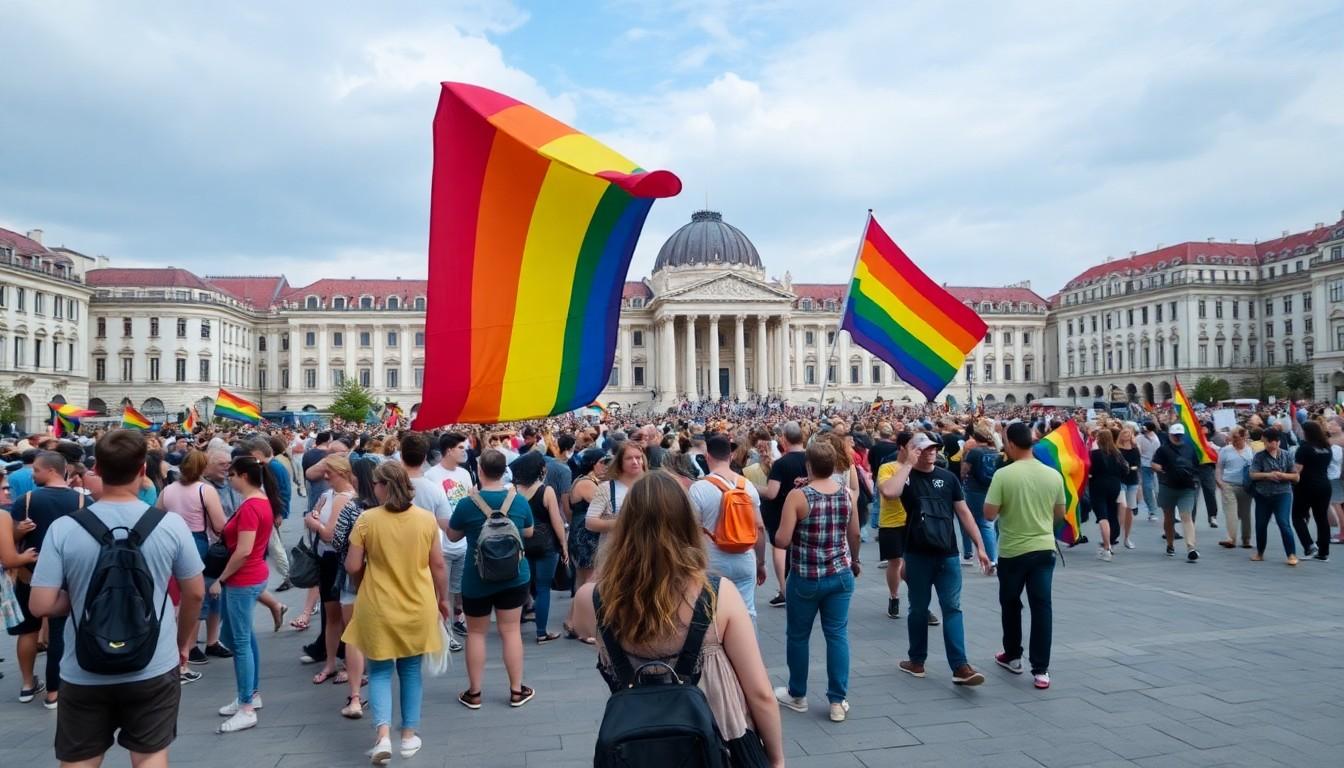
Shoppers, activists and onlookers have been talking about this weekend’s Budapest Pride; Ursula von der Leyen’s public praise for a peaceful, fearless march has become a defining moment , and it matters for Hungary, Europe and the people who marched. Here’s what happened and why it counts.
Essential Takeaways
- Strong symbolic moment: Ursula von der Leyen praised Budapest Pride, saying the streets were "filled with joy and pride" and that Hungary’s LGBTIQ+ community could march without fear.
- Huge turnout: Tens of thousands joined the parade , the biggest Pride in Budapest since major political change earlier this year.
- Police decision matters: Authorities approved the march despite earlier bans in previous years, signalling a shift in civic space and policing.
- Regional ripple effects: EU leaders have been resetting ties with Hungary; high-profile visits and diplomacy helped create momentum for freer civic expression.
Von der Leyen’s short message packed a punch
Ursula von der Leyen kept it succinct and emotional, mixing a little Hungarian with English to underline the point: joy, pride and the right to be yourself were on display. The line about the LGBTIQ+ community finally marching without fear is simple, but it lands hard when you remember earlier clashes and bans. It’s a reminder that words from the European Commission president carry weight, and they were greeted as encouragement by many on the route.
A big march after a fraught few years
This Pride felt different from previous years because of scale and atmosphere , reports note tens of thousands taking part, making it the largest since a major political shift in the country. People described a warm, celebratory vibe despite a sweltering heat dome, with rainbow flags and music cutting through the city streets. For many attendees, the visible, unafraid crowd was the point: a public display of belonging after years of restrictions.
Police approval shows an institutional change
The march was green-lit by police this time, which matters. Authorities had previously moved to block or limit Pride events, so permitting the parade suggests a tangible shift in how civic demonstrations are treated. Observers say that practical decisions like permits, policing and crowd management are where rights are most concretely protected , you don’t get freedom of assembly without the institutions to back it up.
Diplomacy and the wider EU context
This moment didn’t happen in isolation. EU-Hungary relations have been warming somewhat, with high-level visits and talks aimed at resetting ties. That diplomatic thaw, covered in European coverage in recent weeks, has created a different backdrop for civic life in Budapest. When Brussels and member states engage, it shapes the space in which local activists operate , sometimes subtly, sometimes visibly, as in this case.
What this means for activists and visitors
If you’re planning to join a Pride or attend civic events in the region, several practical points matter: watch official channels for permit and route updates, expect big crowds and plan for heat or weather, and remember that international attention can amplify local voices. For organisers, the takeaway is clear , public, peaceful visibility now has more backing than before, but vigilance and good planning remain key.
It's a small change that makes a loud difference: visibility, protection and a few words from a European leader can help turn a march into a milestone.
Source Reference Map
Story idea inspired by: [1]
Sources by paragraph: