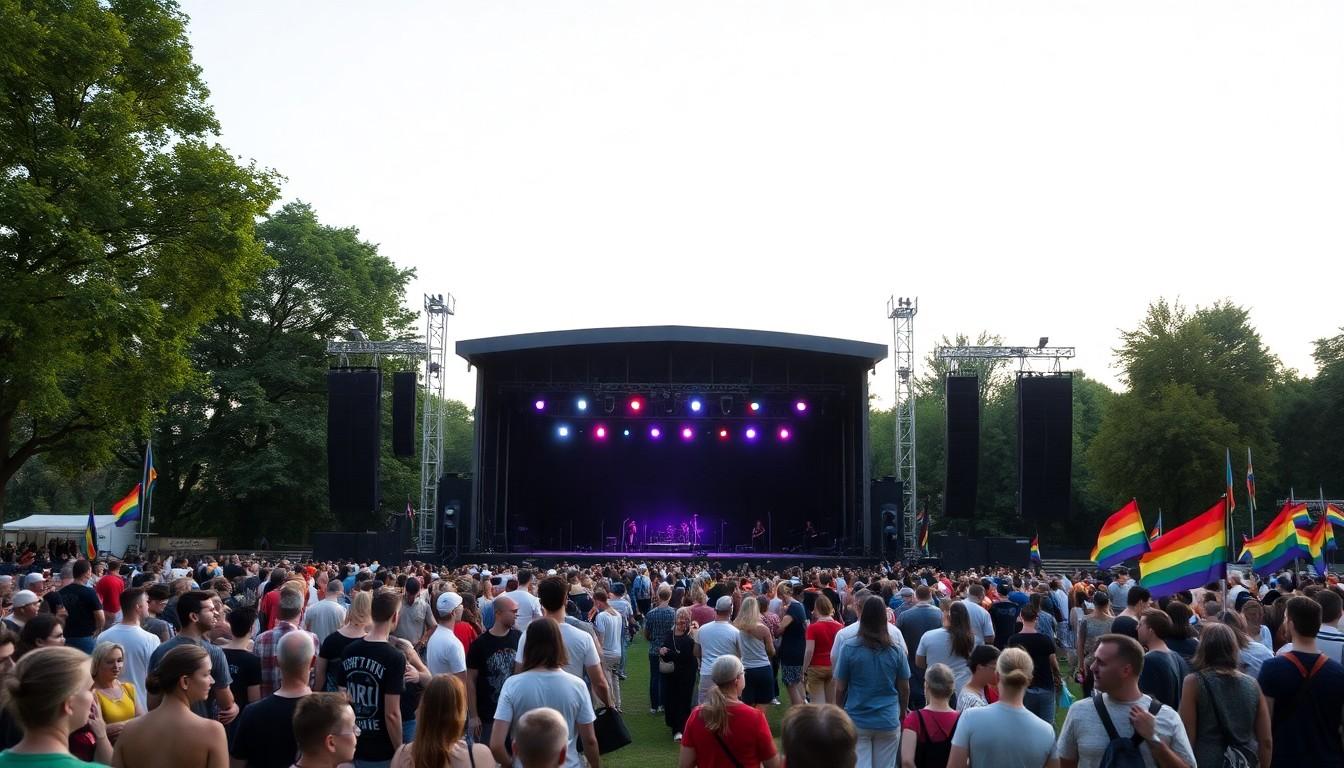
Shoppers are turning their attention to politics and pride as Budapest’s 31st Pride Festival closed with calls for legal equality, solidarity and a renewed push for same-sex marriage rights; organisers, city leaders and thousands of marchers made the event feel both celebratory and urgent in the heart of the capital.
Essential Takeaways
- Big turnout: The 31st Budapest Pride march drew thousands, following last year’s estimated 350,000 participants, and moved from the Opera House to Vérmező Park.
- Political moment: Budapest Mayor Gergely Karácsony urged enforcement of values like freedom and solidarity and pushed for equal rights for same-sex couples.
- Symbolic gestures: Pride and national flags flew together on Elisabeth Bridge, signalling that patriotism and acceptance can coexist.
- Organisational detail: The city provided transport, NGOs and parties ran trucks, and first-aid teams and ambulances were on hand because of the heat.
- Opposition handled: Small protest groups were swiftly removed by police, allowing the march to proceed peacefully.
A vivid, hopeful finish to a tense year
The festival closed in sunlit Vérmező Park with a warm, slightly breathless atmosphere , you could feel relief in the air as much as joy. Mayor Gergely Karácsony stood before the crowd and framed this Pride as more than a party: it was a political marker in a country still grappling with restrictive laws. According to local coverage, Karácsony’s tone mixed celebration with a clear demand that the city’s defended values be translated into law. For marchers, that meant combining confetti with petitions.
Why this year felt like a turning point
Organisers and cultural figures described the moment as loosened but unresolved. Theatre director Kriszta Székely told the crowd that after 16 difficult years people deserved a day of joy, but that the real work comes next. The sense now is less of defence and more of forward motion , an opening that activists hope the new government will seize to align Hungary’s legislation with public sentiment and European norms.
Pride as civic choreography: flags, trucks and ambulances
The march routed from the Opera House across Elisabeth Bridge to the park, with partner organisations and political groups operating trucks to carry music and messages. The city supplied a bus, Háttér Society, Tilos Radio, Momentum and Amnesty each had a visible presence, and a large inflatable two‑tailed dog provided a moment of absurdist humour. Practical prep mattered: heat prompted first aid stations and ambulances to follow the procession, a reminder that festivals are also logistical undertakings.
Politics on the march: calls for marriage equality
Karácsony didn’t just speak in generalities; he urged action on equal rights and suggested he wouldn’t wait long to officiate Budapest’s first same‑sex marriage when the law allows. Organisers singled out full restoration of freedom of assembly and the repeal of discriminatory laws as top priorities. The message was clear: symbolic gestures are welcome, but legal change is the endgame.
How the city balanced protest and protection
There were tense moments , a small group displayed anti‑Pride banners and one woman tried to impede a lead truck , but police acted quickly to remove disruptions before they escalated. That response kept the march moving and underlined a practical point for future events: good crowd management and clear policing can protect both expression and safety, especially in charged political moments.
It's a small change that can make every march mean more.
Source Reference Map
Story idea inspired by: [1]
Sources by paragraph: