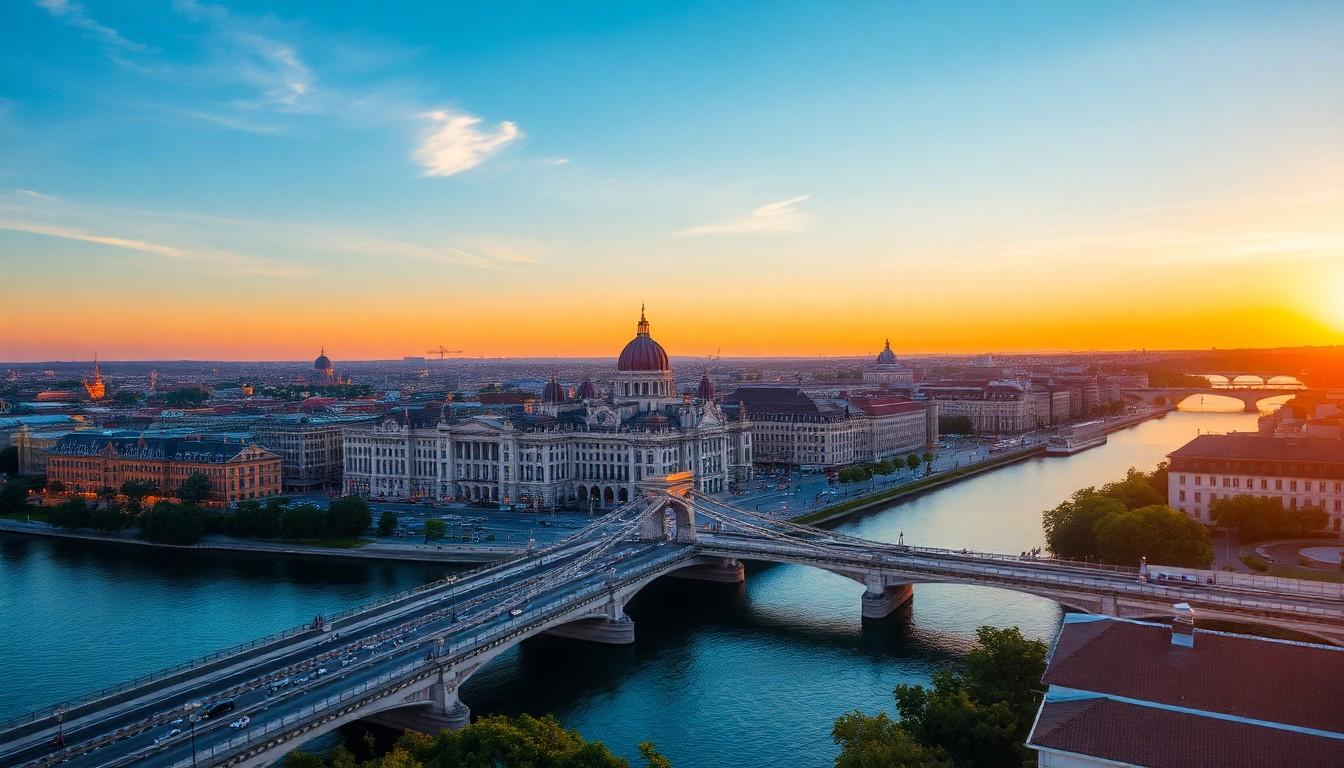
Shoppers and sightseers paused as tens of thousands flowed from the Opera House through central Budapest, waving rainbow flags and dancing in blistering heat; it mattered because this was the first Pride march since Viktor Orbán's government fell, and the mood felt noticeably freer and more hopeful.
- Huge turnout: Tens of thousands attended, despite temperatures above 100°F, creating a bright, crowded procession.
- Route and landmarks: Marchers set off at the Opera House, processed through the city centre and crossed the Erzsébet Bridge over the Danube.
- Different atmosphere: Participants described a more relaxed, happier vibe with more older people and families than in past years.
- Symbolic shift: The event follows the defeat of Orbán’s government, which had enacted anti-LGBTQ+ policies and limited public Pride events.
- Festive details: Music, dancing, and vivid rainbow colours dominated , the scene was energetic and visibly celebratory.
A march that felt like a relief
The opening sight was almost cinematic: crowds pressing out from the Opera House steps under a blazing sun, music thumping, flags snapping in the heat. Reporters noted the sheer scale and the surprisingly jubilant tone; after years of tense confrontations and bans under the previous administration, this felt, to many, like a day of release. According to several outlets, organisers and participants alike commented on the lighter, more open atmosphere.
Why this Pride was different
For sixteen years, Viktor Orbán’s government pushed laws and policies that many saw as hostile to LGBTQ+ people, and public events were routinely constrained. With his exit from power, municipal authorities and organisers approached Pride without the same legal and political pressure. Coverage highlighted how attendees , from young activists to older supporters , felt less on edge, and that more families and older people were joining the celebration than in past marches.
A showdown with heat, not police
Temperatures soared past 100°F, yet people stayed and danced; the weather became part of the story. Journalists described a sticky, noisy, colourful parade where sweat mixed with confetti. Practical note for future visitors: bring water, a hat, and sunscreen , organisers and medics were visible, but the sheer heat made preparation essential. The turnout under such conditions only underlined how much the march meant to those taking part.
Landmarks, music and momentum
The march’s route read like a postcard: from the Opera House through the core of the city, then over the Erzsébet Bridge spanning the Danube. That crossing felt symbolic , moving together from one bank to another in a display of unity. Media coverage emphasised the celebratory moments: groups dancing, older participants smiling, and a general sense that Budapest was witnessing a new chapter in public life and civic openness.
What it signals for Hungary and beyond
Observers framed the event as more than a party: it’s a barometer of political and social change. With Orbán’s government defeated, advocates see room to roll back restrictive measures and reclaim public space. International outlets picked up on the scene as evidence that Hungary’s civic landscape might be shifting, while local voices warned that change will take sustained effort. Still, for many who marched, the day offered a rare, tangible taste of possibility.
It's a small but powerful public moment , a parade that doubled as a declaration that life, for many in Budapest, might finally feel a little freer.
Source Reference Map
Story idea inspired by: [1]
Sources by paragraph: