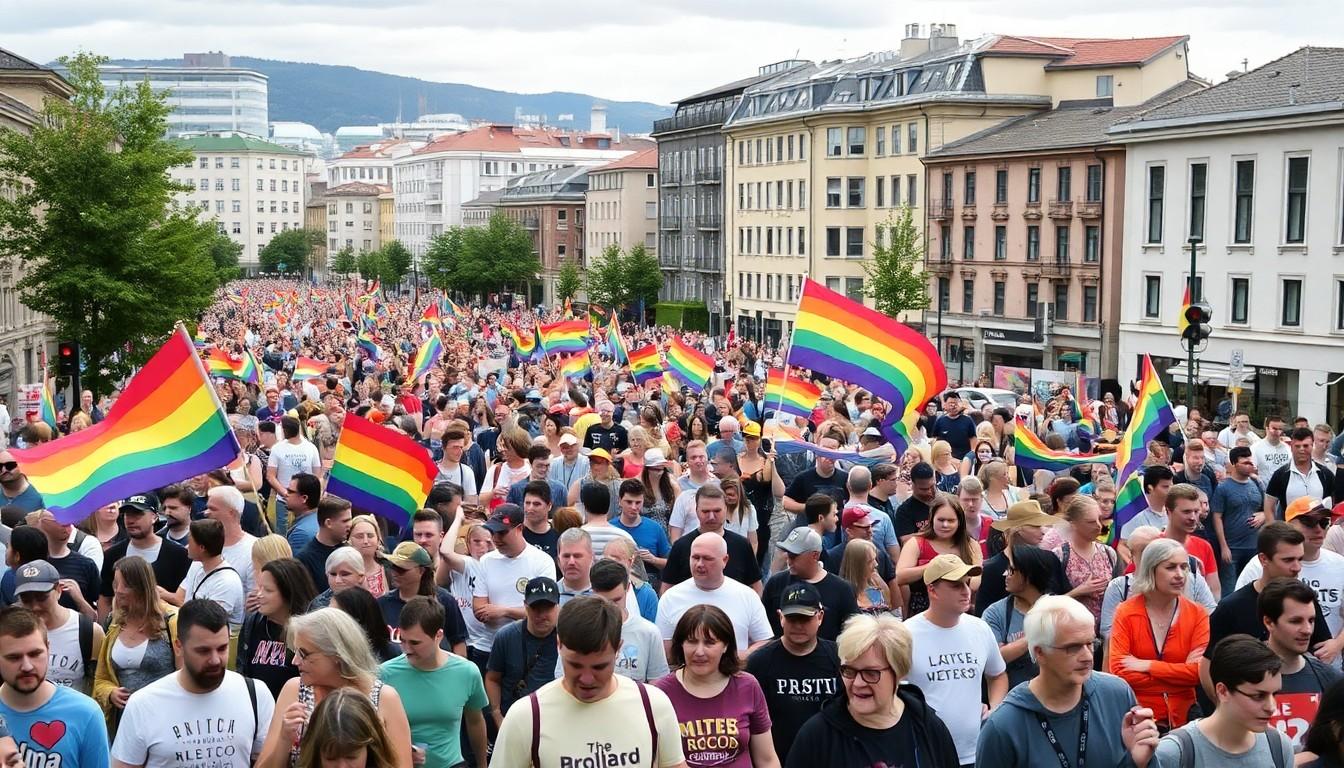
Shoppers, tourists and locals are flooding Oslo's streets as the Pride parade moves from Grønland to Kontraskjæret, turning central neighbourhoods into a living, loud celebration of LGBTQ+ life , and a visible stand for rights at home and abroad.
Essential Takeaways
- Big turnout expected: Police and organisers say several thousand people are participating and watching, following last year’s roughly 100,000 attendees.
- Mayor leading the march: Oslo’s mayor walked at the front, calling the city a “rainbow city” and stressing solidarity for queer rights.
- Streets decked out: Pride flags and colourful crowds fill the route from Grønland to Pride Park at Kontraskjæret; nearby roads are closed for roughly 1.5 hours.
- City-wide programme: The parade is part of a record-sized programme of concerts and events across Oslo, with family-friendly and political elements.
- Safety and visibility: Organisers frame the event as both a celebration and a response to pressures on LGBTQ+ rights domestically and internationally.
A festival that feels like a city-wide hug
There’s a warm, buzzing hum to Oslo today as people spill from cafés and trams into streets draped in rainbow flags, and the air feels like one long cheer. According to local coverage and organisers, thousands have gathered to walk the route from Grønland to Kontraskjæret, and city services expect the parade to last about 90 minutes. The scene is equal parts carnival and demonstration, bright and emphatic.
City authorities have planned for crowds and closures, so if you’re heading into the centre you’ll notice detours and a friendlier-than-usual police presence. For visitors, it’s an easy way to see the capital’s inclusive spirit on full display; for participants it’s a chance to be visible and safe together.
Why the mayor walked at the front , and what she said
Oslo’s mayor led the procession, underlining the municipal commitment to LGBTQ+ people and rights. She described Oslo as a “rainbow city”, saying the parade is both a celebration and a statement given that queer rights are under pressure in parts of the world. That kind of visible civic backing matters: when political figures show up it signals more than festival solidarity, it signals institutional support.
The march blends celebration with politics in a way that feels deliberate. Organisers and speakers use the platform to highlight local services, anti-discrimination efforts and international solidarity, keeping the message anchored in both joy and purpose.
A record program , concerts, events and family stuff everywhere
This year’s programme is reportedly the biggest yet, with concerts and events scattered across neighbourhoods so the party keeps bouncing from one corner of the city to another. From large Pride Park stages at Kontraskjæret to smaller community gatherings, there’s something for families, activists and night owls alike.
If you’re planning to join later in the day, check the official schedule for times and locations , events often overlap, so you can pick a quieter street-level parade atmosphere or a packed headline concert. Local guides recommend public transport and comfortable shoes; you’ll want to move between pockets of activity.
What it means for Oslo’s identity and visitors
Oslo has leaned into an image of openness in recent years, with city messaging and services emphasising inclusion and support for queer residents and visitors. The parade acts as a high-profile reminder that the city isn’t just tolerant, it promotes visibility and safety. For tourists, it’s a chance to see a civic culture where pride is mainstreamed and supported.
That said, organisers stress the event is also a response to international trends that threaten queer rights elsewhere. The parade isn’t only a local party , it’s a signal of solidarity and a reminder that rights need defending, even in cities that feel safe.
How to join in, safely and respectfully
If you want to take part, arrive early to find a good viewing spot and expect some street closures around Grønland and Kontraskjæret. Dress for the weather and for comfort, bring water, and be ready for loud music and big crowds; if you’re attending with children, plan a meeting point in case you get separated. Most events are family-friendly, but some evening concerts have age limits.
And if you’re photographing or filming, remember consent: many people want to be seen, but others expect privacy. Be mindful, enjoy the colours and the music, and consider supporting local LGBTQ+ organisations or businesses while you’re in town.
It's a small change that can make every moment of the parade feel safer and more welcoming.
Source Reference Map
Story idea inspired by: [1]
Sources by paragraph: