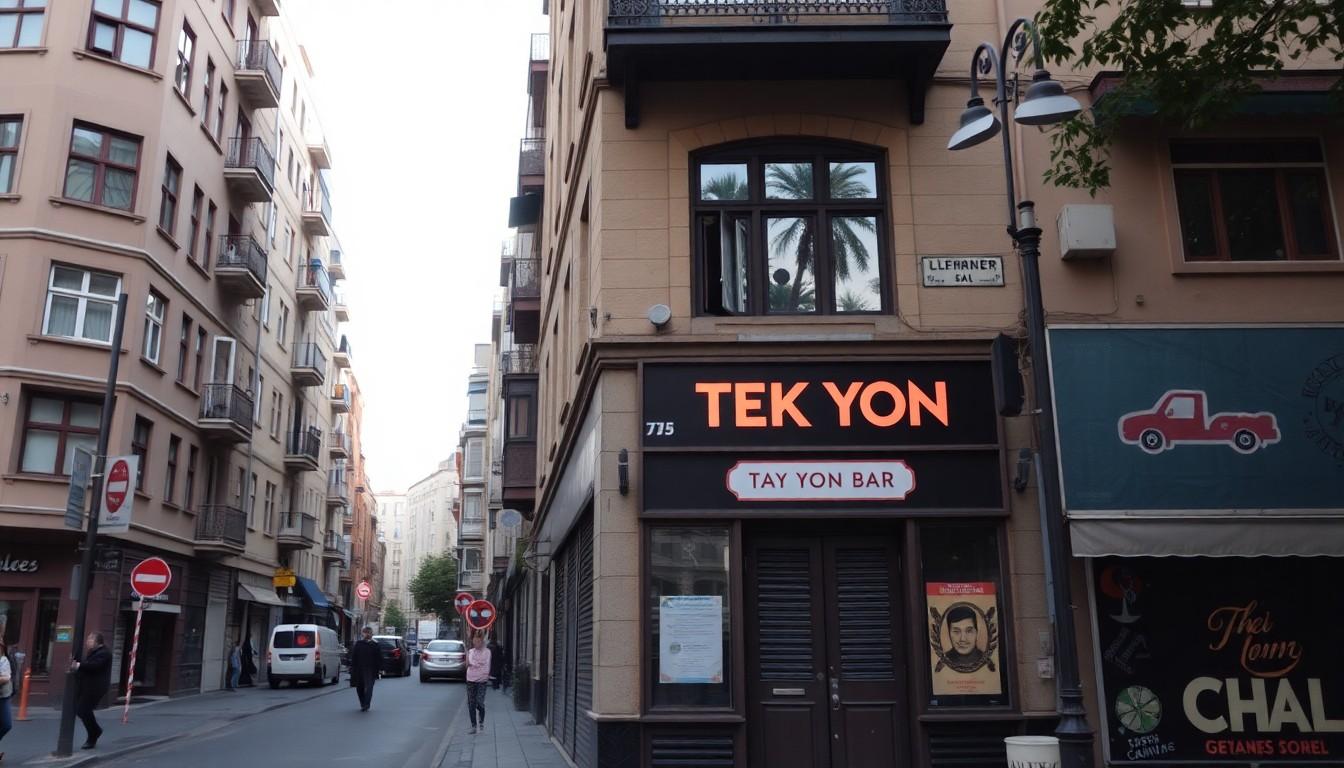
Shoppers and residents have watched tensions flare in Istanbul after authorities ordered the closure of a well‑known gay bar, a move that follows online protests by Islamist groups and coincides with a cancelled LGBT cruise call , here’s what happened and why it matters.
Essential Takeaways
- Official closure: The Istanbul governor’s office said Tek Yon in Cihangir was shut for unspecified regulatory violations after inspections.
- Protests on social media: Islamist groups publicly targeted the bar after an LGBT‑themed Bosphorus cruise was announced, linking the event to the bar’s owner.
- Event fallout: Reports say the cruise cancelled its planned Istanbul stop on 8 July and the venue was sealed ahead of the intended party.
- Broader context: Homosexuality isn’t criminalised in Turkey, but LGBT venues and Pride events face frequent bans and pressure.
- Local reaction: Community groups decried the closure as part of a wider pattern of restrictions; the bar is one of Istanbul’s long‑standing gay venues.
What officials say and what’s actually closed
The governor’s office released a statement saying inspections found Tek Yon wasn’t complying with certain regulations, and ordered the venue closed. The notice gave no further detail about the precise violations, which leaves a gap between the public line and what happened on the ground. Officials framed this as an ordinary regulatory action, but locals and activists say the timing , immediately after online harassment , raises questions about motive and proportionality.
How a Bosphorus cruise escalated tensions
The immediate spark appears to have been plans for an LGBT‑oriented cruise that would have called in Istanbul on 8 July. Islamist groups on social platforms named the bar owner as linked to the programme and mounted a campaign of protest. Within days, pro‑government outlets reported inspections and the venue being sealed, and the ship reportedly decided not to make the Istanbul stop. It’s a reminder that a single planned event can become a flashpoint in a charged environment.
The wider pattern for LGBT venues in Turkey
This closure fits a familiar pattern. Since 2015, annual Pride marches in Istanbul have been largely banned or broken up, and LGBT cultural life has come under increasing pressure. While same‑sex activity is not illegal, political rhetoric from the top has often singled out LGBT people , for instance, linking them to demographic or social anxieties. Owners of venues in neighbourhoods such as Cihangir say they feel exposed and uncertain about regulatory enforcement.
What this means for owners and visitors
For venue operators the lesson is painfully practical: regulatory inspections can be triggered by public controversy, and an event that goes viral for the wrong reasons may invite rapid official scrutiny. If you run or frequent LGBT spaces in Turkey, keep paperwork and licences up to date, document inspections, and seek legal advice quickly if premises are sealed. For visitors, this underlines the value of staying informed about local developments before travelling, particularly around public events or themed cruises.
Reaction and next steps
Community groups and rights organisations are likely to push for transparency about the legal grounds for the closure and whether enforcement was applied evenly. Media coverage in the Turkish press and local outlets has framed the closure variously as a regulatory action and as a response to social pressure. Looking ahead, organisers of LGBT tourism and events will probably reassess routes and ports of call to avoid sudden cancellations, and venue owners will be watching how authorities justify such closures.
It’s a small administrative order with outsized consequences for a community already used to walking a tightrope.
Source Reference Map
Story idea inspired by: [1]
Sources by paragraph: