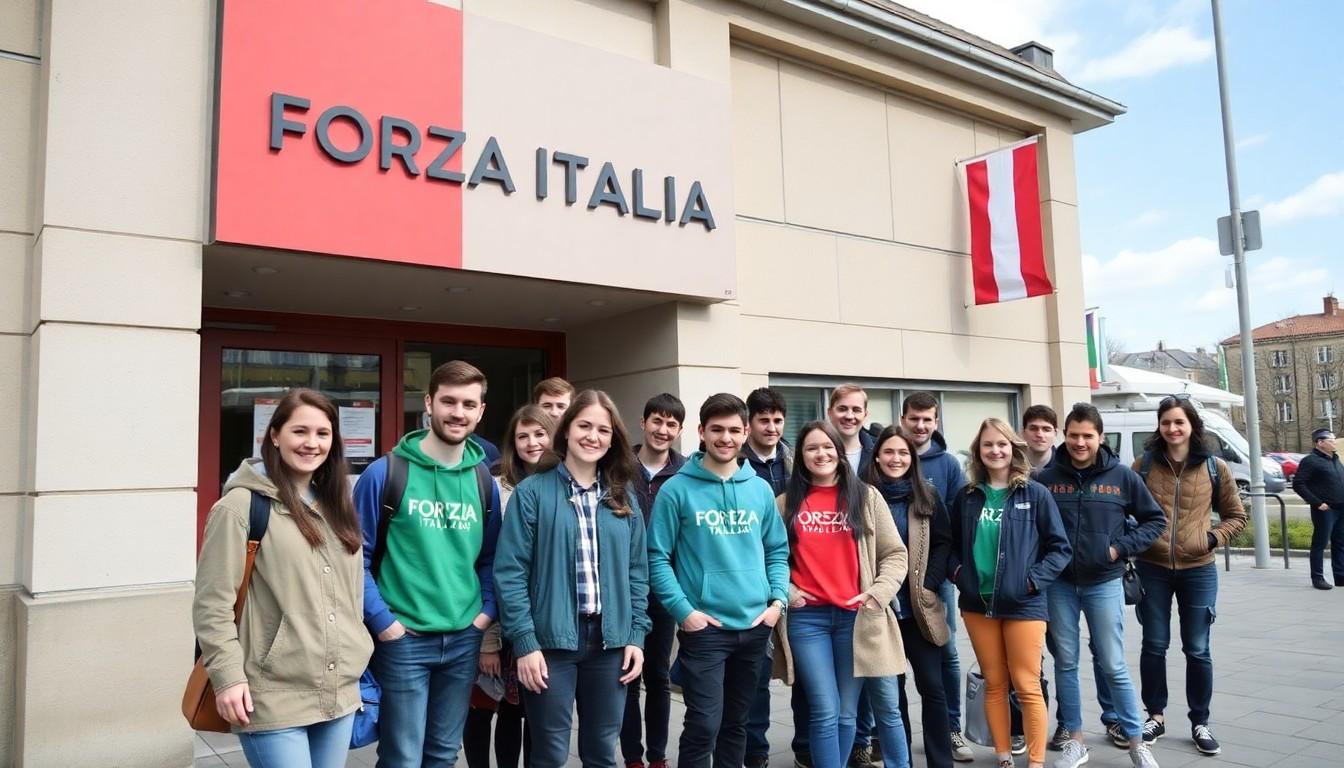
Shifting the script, Forza Italia’s youth are pushing LGBT rights into centre-stage; young members in Milan organised a cross-party debate on family, legal protections and inclusion, signalling that the next generation within the centre‑right wants open discussion and practical reform.
Essential Takeaways
- Young leadership: Forza Italia’s youth wing organised a public event in Milan to discuss civil rights and LGBT family recognition.
- Cross‑party turnout: Speakers included figures from Forza Italia and guests from other parties and civil‑society groups, creating a bipartisan tone.
- Clear manifesto: The group endorsed freedom to live by one’s identity, legal protections for affective unions, anti‑discrimination measures and support for diverse family forms.
- Visible moment: High‑profile guests, spontaneous attendees and debate over Pride participation made the meeting feel concrete and urgent.
- Practical push: Organisers framed the debate as about basic liberties and inclusion rather than ideological positioning.
Young conservatives are saying it’s time to talk , and loudly
The meeting in Milan opened with young people speaking plainly about identity, belonging and the practical gaps in law that affect same‑sex couples and their families, and the room carried a nervous, hopeful energy. Forza Italia’s provincial youth coordinator, Vincenzo Piazza, made clear this was a grassroots push: these are members who want conversation, not silence. According to reporting, the tone deliberately steered away from party box‑ticking into day‑to‑day human concerns, which made the whole thing feel immediate and personal.
A debate with familiar faces and surprising arrivals
The event attracted familiar liberal voices within the party and across the aisle, from regional figures to activists and a former gay‑party candidate who has since moved political ground. Francesca Pascale turned up, apparently unplanned, and Paola Concia from the Democratic Party opened the discussions, underlining the organisers’ aim for cross‑party engagement. It’s the sort of scene that suggests this isn’t niche activism but a conversation with enough gravity to pull in diverse participants.
What the youth manifesto actually says , and why it matters
The youths’ manifesto sets out straightforward principles: freedom to live according to one’s identity, the right to form a family in chosen ways, legal safeguards for emotional unions, and a firm stance against violence and discrimination. That language matters because it reframes the question from ideology to rights and protection, a shift likely to resonate with younger voters who see these issues as common sense rather than partisan causes.
Where this fits in the wider party picture
Forza Italia isn’t monolithic, and the liberal wing has long nudged the party on civil rights, but it’s notable when the younger cohort organises publicly on these topics. Piazza explicitly distanced the initiative from more abrasive voices on the right, arguing the debate shouldn’t be weaponised against people navigating identity and acceptance. Practically, that softens resistance inside the centre‑right and opens space for policy conversations without triggering culture‑war reflexes.
Pride, participation and political signalling
The group discussed joining the Pride parade, and some Forza Italia figures have already signalled participation. That’s as much about presence as policy: marching or publicly backing Pride can be an easy, visible way to show solidarity while nudging parties to translate support into legislative steps. For those wondering how to read it, this feels less like a sudden conversion and more like generational normalisation of rights.
It's a small change that could make the centre‑right’s future conversations about family and equality much less fraught.
Source Reference Map
Story idea inspired by: [1]
Sources by paragraph: