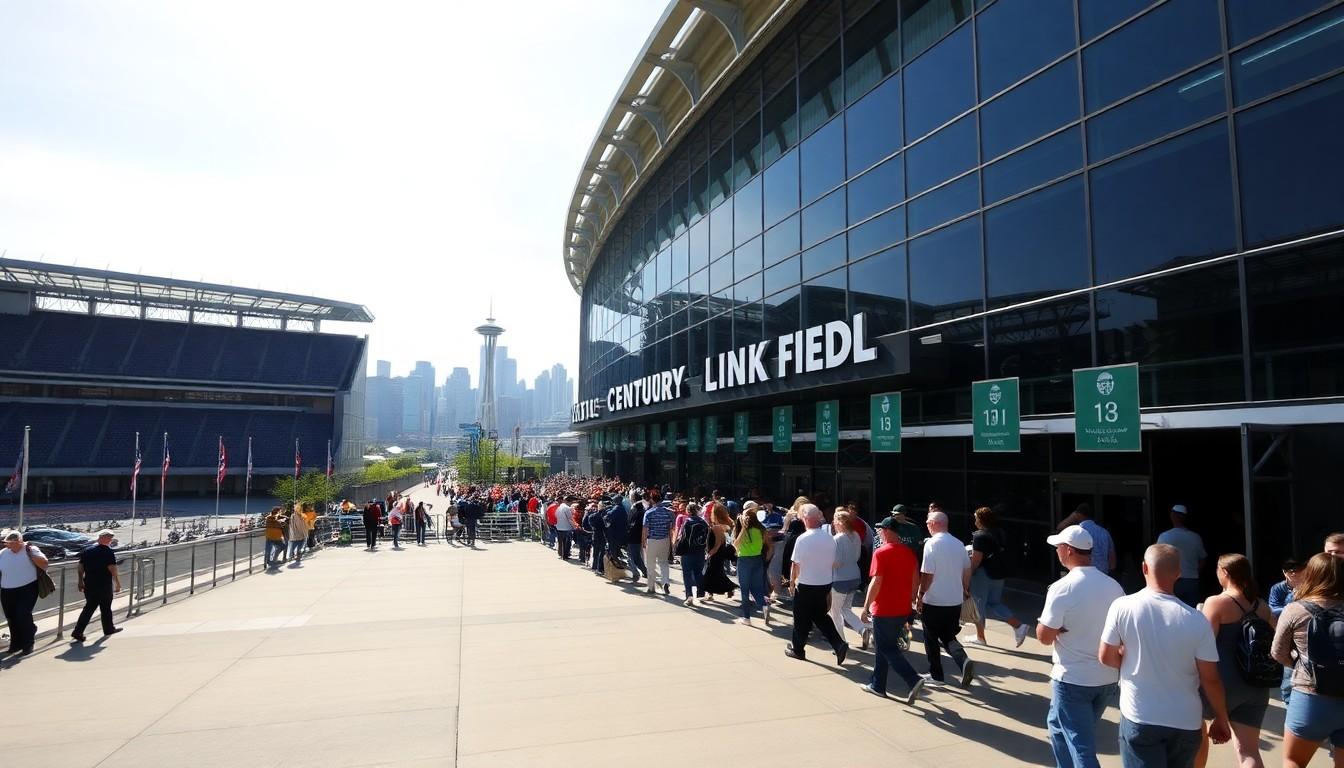
Shoppers and fans alike are watching as Seattle stages a Pride Match during the World Cup , a football fixture that’s become a flashpoint for culture, religion and free expression, and matters because it highlights how global sport and local values collide.
Essential Takeaways
- What’s happening: Seattle has designated the Iran vs Egypt game a Pride Match, with rainbow flags, drag performances and watch parties planned around the stadium.
- Teams’ stance: Both Iran and Egypt’s camps say they’re focused on football and will not engage in discussion about Pride or LGBTQ+ issues.
- Host view: Local organisers say the timing wasn’t aimed to provoke and encourage curiosity and exposure to different cultures.
- Practical scene: Expect visible Pride symbols inside the stadium and related city events; some fans may feel uncomfortable while others celebrate openly.
- Why it matters: The clash raises questions about how global tournaments handle cultural differences when host-city values don’t match visiting teams’ laws or beliefs.
A colourful matchday, but the pitch remains the focus
Seattle’s Pride Match has a visual punch , rainbow flags fluttering, drag events in the city and watch parties buzzing , yet the teams promise the talking point will be the football. That split is striking: outside the stadium, civic celebration of LGBTQ+ inclusion, inside, two squads from countries where homosexuality is criminalised arriving determined to keep the media briefings strictly about tactics and line-ups. The contrast makes for theatre before a ball’s even kicked.
Organisers say the scheduling was practical rather than political. According to the host committee, Pride Weekend was fixed on the calendar before the World Cup draw paired Iran and Egypt with Seattle, so the event is, in their view, a natural overlap rather than a provocation. For casual fans that means you’ll see the city’s usual Pride energy alongside World Cup fever.
Coaches and captains stick to football , deliberately
Iran’s head coach made his position plain: questions about Pride are, in his words, “things that do not exist” and outside the team’s remit. Egypt’s side has echoed that focus on sport rather than social issues. That refusal to engage is part strategy, part cultural boundary. From a practical perspective, players and staff often want to avoid off-field controversy that distracts from preparation and performance.
Media outlets have noted this tightrope walking. For journalists and fans, the takeaway is simple , expect pre-match comments to centre on formations, injuries and scouting reports. If you want political analysis, you’ll need to look beyond the press conference.
Why host cities keep pushing inclusion , and how teams react
Seattle officials have been vocal about their intent to celebrate diversity and to invite curiosity rather than confrontation. They argue that exposure to different ways of living is part of what makes hosting a global sport valuable. It’s a position many Western host cities adopt: welcome everyone, promote inclusion, and let fans experience the city’s culture.
That approach can clash with visiting teams’ cultural norms. For Iran and Egypt, where LGBTQ+ rights are limited or non-existent, participating in a match billed as a Pride event creates awkward optics. But both federations seem to prefer quiet participation over protest, a choice that keeps the spotlight on football while allowing local norms to play out.
What fans should expect inside and outside the stadium
If you’re attending, expect a visible Pride presence , flags, themed entertainment, and perhaps louder expressions of identity than in other fixtures. Security and host officials will be prepared to manage differing reactions; their goal is to ensure safety and an inclusive atmosphere. For some supporters from Iran or Egypt, that environment might feel unfamiliar or uncomfortable, while others will see it as a chance to experience Seattle’s culture.
Practical tips: wear what feels right for you, be respectful of fellow fans, and if you’re travelling from a country with restrictive laws, take sensible precautions around social media and interactions you wouldn’t normally have at home.
The broader picture: sport, diplomacy and cultural friction
This match is a neat microcosm of a larger debate about global sport’s role in social issues. FIFA has allowed Pride flags in the stadium, and local organisers insist the event was not tailored to any particular team. That stance keeps governing bodies neutral on paper, but in practice tournaments frequently become stages for values to meet and sometimes clash.
Looking ahead, we’ll likely see more of these moments as major tournaments rotate through cities with differing cultural norms. Fans, teams and hosts will keep navigating the same question: how do you stage a truly global event while respecting diverse beliefs and promoting inclusion? The answer nobody can give yet is the one everyone will be watching play out on matchday.
It's a small cultural moment wrapped in football , and like any good match, it will be worth watching for what happens off the ball as well as on it.
Source Reference Map
Story idea inspired by: [1]
Sources by paragraph: