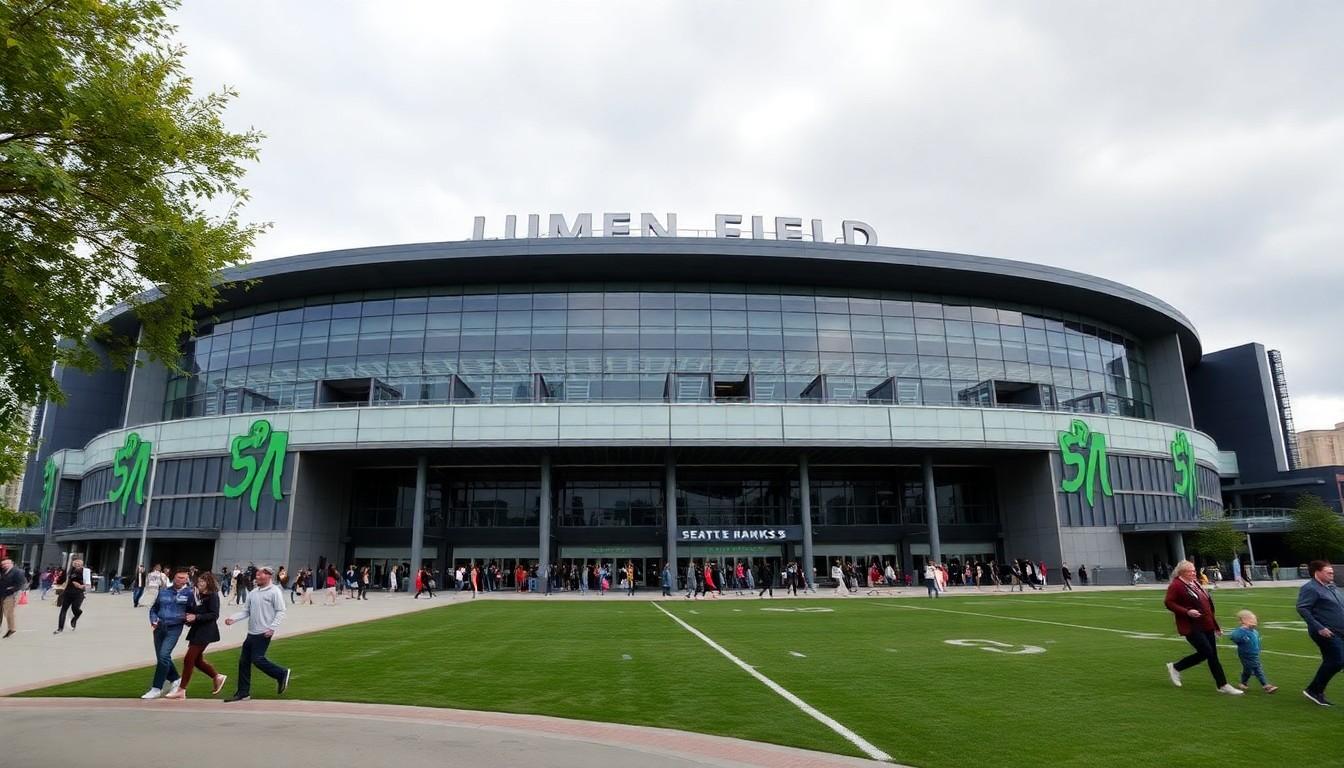
Shoppers are turning attention to a high-tension World Cup fixture as Iran and Egypt prepare to play in Seattle during local Pride Weekend; fans, federations and FIFA are clashing over rainbow symbols, why it matters, and what supporters should expect at Lumen Field.
Essential Takeaways
- Match timing: The Iran vs Egypt Group G fixture is scheduled for Friday at Lumen Field in Seattle during the city’s annual Pride Weekend, drawing added spotlight and emotion.
- Federations object: Iran and Egypt asked FIFA to remove Pride branding from the match, saying rainbow symbols conflict with their laws and beliefs.
- FIFA stance: FIFA says the tournament is inclusive and allows rainbow flags as a human-rights statement under stadium rules when used consistently with the code of conduct.
- Local context: Seattle’s Pride Weekend has run for decades and the match was paired with that date during tournament scheduling, creating an unavoidable overlap.
- Practical note for fans: Expect visible security and guidance at the stadium; organisers will balance inclusive displays with enforcement of stadium conduct rules.
A match day coloured by Pride , and controversy
The simplest fact here carries the heft: a World Cup game landed on Seattle’s long-running Pride Weekend, and that coincidence has turned a routine group-stage fixture into a headline event. Fans arriving at Lumen Field will feel the contrast , the electric smell of stadium food and the bright fabric of flags, mixed with an unusually charged political atmosphere. According to reporting, local organisers had planned the Pride-themed branding before the Iran–Egypt draw paired the teams for this date, so it’s a scheduling quirk that mushroomed into international debate. For spectators, that means the usual pre-match buzz will be threaded with protests, petitions and official statements.
Why Iran and Egypt pushed back
Both federations formally asked FIFA to remove rainbow imagery for the game, citing domestic laws and social norms. The objections aren’t merely symbolic: in Iran and Egypt, LGBTQ+ people face criminalisation through explicit laws or through charges like “debauchery” and public indecency, and government agencies have been known to monitor and entrap people online. That context explains why the Iranian and Egyptian FA chiefs felt compelled to protest the Pride branding, and why players and staff have been coached to focus only on the match. It’s an example of how off-pitch realities follow teams into global tournaments.
FIFA’s balancing act: inclusion versus diplomacy
FIFA publicly reiterated that the World Cup is an inclusive event and treats rainbow flags as a statement of human rights under the stadium code of conduct. The organisation is clearly trying to walk a tightrope: support inclusivity to satisfy fans and human-rights advocates, while avoiding a schism with member associations from countries where public support for LGBTQ+ rights is punishable. Practically, that means stadium security and event staff will be looking for rule-consistent displays rather than outright bans, and fans should assume stewards will intervene if flags or banners are used provocatively or in breach of conduct rules.
What fans should expect at Lumen Field
If you’re going to the match, plan for a visible security presence and clear signage about acceptable behaviour. Local authorities and match organisers will want to prevent scenes that could endanger fans or inflame tensions, so arrive early and follow steward instructions. For those who want to show support, a measured approach works best , small flags, respectful chants, and sticking to designated fan zones reduce the chance of confrontation. And if you’re watching from afar, expect the conversation to be as much about human rights and diplomacy as about the scoreline.
Looking beyond one match: what this moment signals
This clash in Seattle is a snapshot of a broader trend: global sporting events increasingly intersect with social and political issues, whether organisers plan them or not. The Pride branding decision and the federations’ objections show how local civic traditions, national laws and international sport collide. For players and fans, it’s a reminder that football rarely exists in a vacuum; matches can become stages for values as well as goals. How FIFA and host cities handle these situations could set precedents for future tournaments.
It's a small change that can make every match safer and more meaningful for the fans involved.
Source Reference Map
Story idea inspired by: [1]
Sources by paragraph: