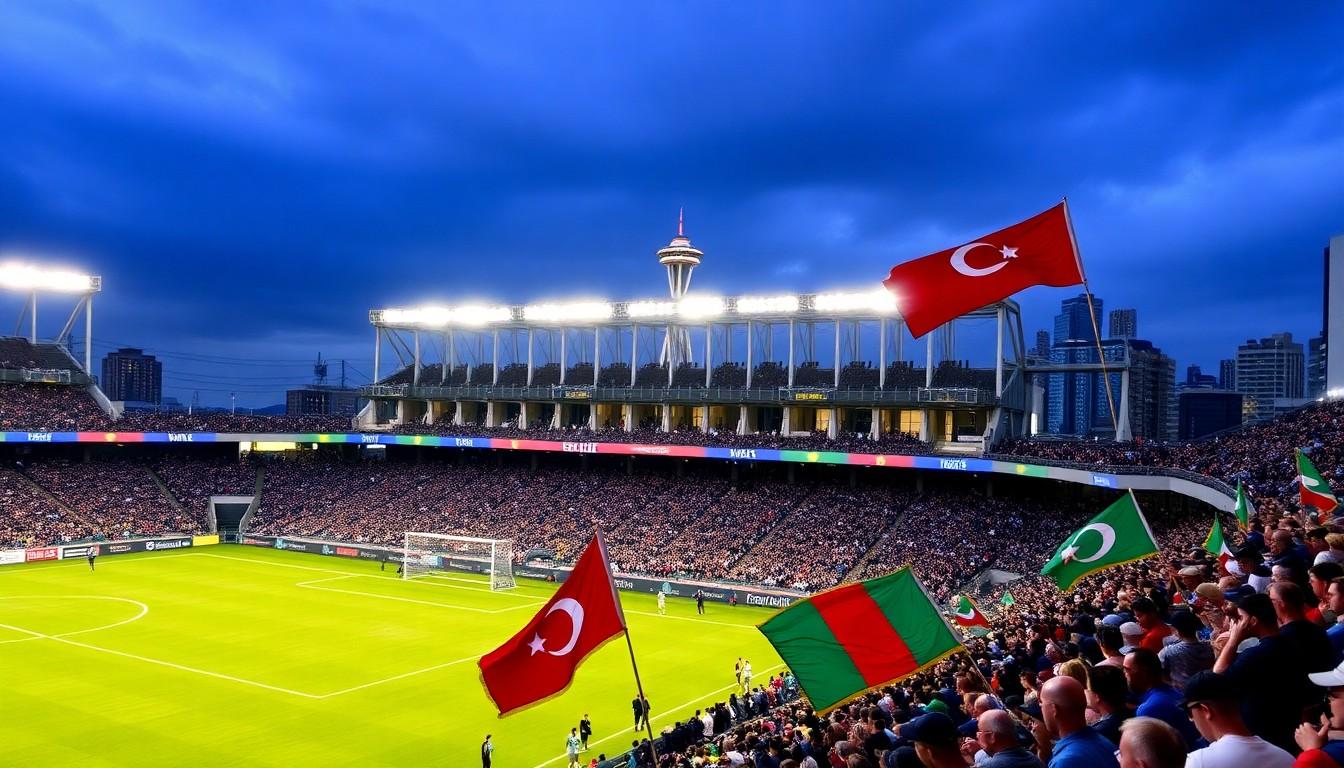
Shoppers, fans and curious locals are flocking to Seattle’s Pride Match weekend, where organisers have turned the Iran vs Egypt World Cup game into a showcase of diversity and football , and why that matters as both teams insist the only thing on their minds is the game.
Essential Takeaways
- Focus on football: Iran coach Amir Ghalenoei and Egypt’s camp have publicly declined to discuss Pride plans, stressing match preparation and tactics.
- City-led celebration: Seattle’s Pride Weekend and match-day rainbow displays were planned independently of the tournament draw and are meant to highlight local inclusivity.
- Visible festivities: Organisers expect drag shows, watch parties and rainbow flags inside the stadium, creating a lively, colourful atmosphere.
- Cultural friction: The event underlines tensions , both Iran and Egypt have laws or social norms opposed to LGBTQ+ visibility, making the match politically charged for some.
- What to expect as a spectator: A strong fan vibe, organised Pride programming, and the chance to see how international sport and local civic identity collide.
Why Seattle decided to brand one match as Pride Match
Seattle’s organising committee chose to stage Pride Weekend alongside a World Cup fixture because the city already plans an annual celebration of LGBTQ+ culture, and this year the calendar lines up with the tournament. The result is a visible, festive crowd and rainbow decorations in and around the ground. Organisers say the aim is to marry football with a local civic identity , think confetti and chants as much as a political gesture.
This wasn’t a provocation, organisers emphasise. They told the BBC the Pride schedule pre-dated the draw and that the programming is about hospitality and culture as much as anything. For travelling fans, that translates to watch parties, family-friendly events and a sense that the stadium will feel warmer and louder than on a neutral match day.
Players and coaches keep the focus on the pitch
From the Iran camp, head coach Amir Ghalenoei has been clear: questions about Pride aren’t his concern. He repeatedly redirected media attention to tactics, selection and performance, saying his team is focused on the “beauty of the game.” Egypt’s staff have adopted a similar line, avoiding comment on the festivities.
That stance is practical. When your tournament run depends on results, managers rarely let off-field issues derail preparation. Still, the refusal to engage feeds the wider story: a clash between a city’s celebratory choices and the legal or cultural positions of visiting nations.
What this match says about sport, politics and local hospitality
Major sporting events rarely exist in a vacuum. According to reporting in outlets including The Washington Post and The Guardian, the Seattle match highlights how host cities can project values during global tournaments. There’s an increasing expectation that cities will showcase inclusion, yet that can sit awkwardly alongside teams from countries with very different laws and social mores.
For fans, that friction can feel electrifying rather than confrontational , a reminder that football is also a stage for cultural conversation. For delegations, it’s an awkward handshake between respecting hosts and maintaining teams’ own cultural boundaries.
Practical tips if you’re going to the match or tuning in
If you plan to attend, expect a busy, colourful scene: arrive early for fan zones and watch parties, and check transport plans because Pride Weekend will increase local footfall. Pack layers , Seattle can be cool in the early hours , and bring earplugs if you’re sensitive to loud music and announcements. If you’re watching at home, local coverage will likely include features on Pride programming as well as match analysis, so give yourself time to soak in both halves of the story.
If you’re wondering how to react in the stadium, a good rule is: enjoy the football, respect the host city’s customs, and be mindful that some visiting fans may feel out of place. That balance keeps the focus on the match while acknowledging the wider context.
Where this might lead next
Expect more host cities to lean into their civic identities during big tournaments, and for teams to take a quiet, results-first approach in response. The Seattle fixture is a template of sorts: visible local celebration meets cautious visiting delegations. It’s likely to be studied by organisers of future events who want to balance welcome, safety and diplomacy.
Whether you see it as a celebration, a statement, or simply a colourful backdrop to a World Cup game, the match will be remembered for its atmosphere as much as its scoreline.
It's a small change that can make every match feel like a bigger conversation.
Source Reference Map
Story idea inspired by: [1]
Sources by paragraph: