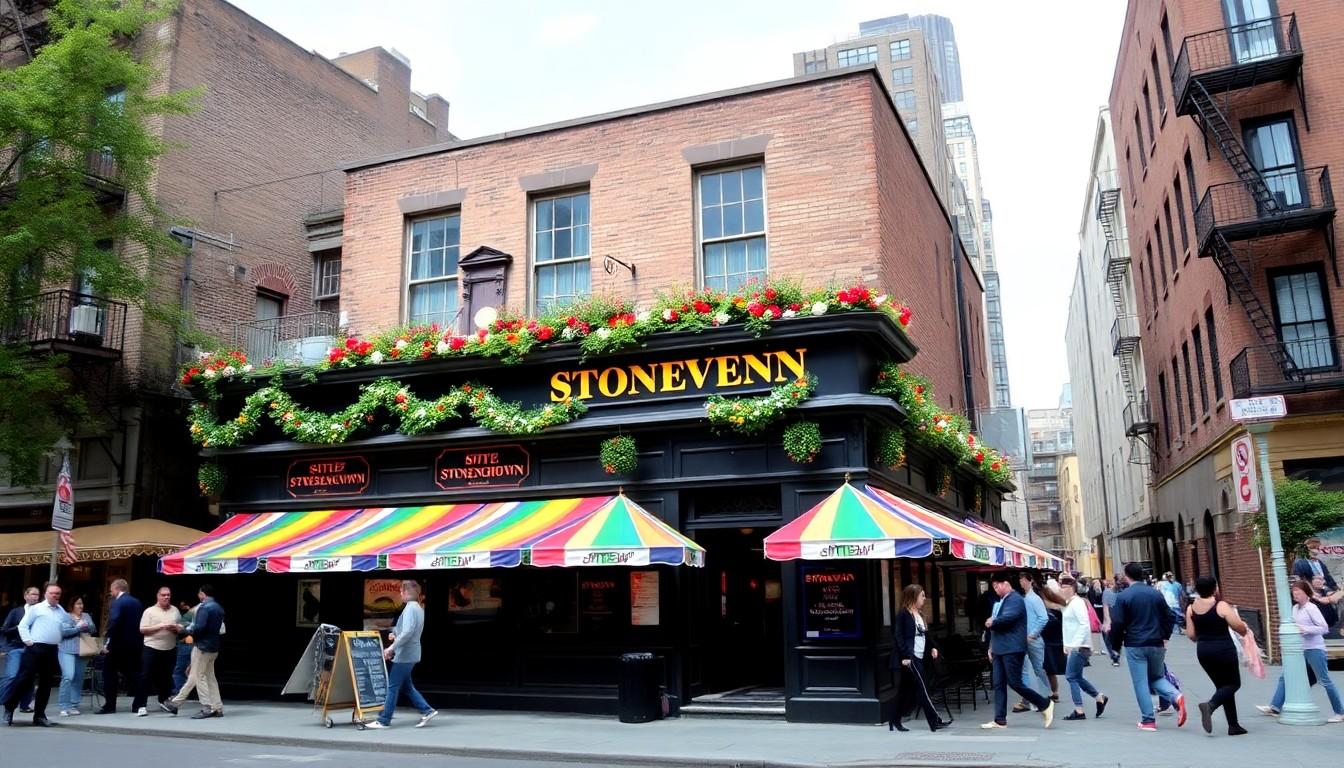
Remembering Stonewall means more than a date on the calendar: it’s a moment that changed how LGBTQ+ people fight for safety, visibility and dignity. This Sunday marks the anniversary of the raid on the Stonewall Inn in Greenwich Village, and we look at what happened, why it matters today, and how to honour that legacy meaningfully.
Essential Takeaways
- What happened: Police raids on the Stonewall Inn sparked days of unrest when patrons and neighbours resisted, turning routine harassment into public protest.
- Why it mattered: Stonewall accelerated the formation of activist groups and inspired the first Pride marches in 1970, changing protest tactics and public visibility.
- What to feel: The story carries anger, resilience and celebration, expect testimony that’s raw, determined and hopeful.
- How to mark it: Attend local vigils or educational events, support LGBTQ+ organisations, and read primary accounts for context.
- Look for nuance: Stonewall wasn’t the start of resistance, but it was a catalytic turning point in the US movement.
A riot that felt like a turning point
On 28 June 1969 the Stonewall Inn was raided by police in the early hours, and for once the crowd didn’t quietly disperse; instead they pushed back with shouts, bottles and sheer determination, and the confrontation spilled into the streets. According to National Geographic and contemporary historians, the scenes were chaotic and raw, full of shouting, broken glass and people who’d had enough of regular intimidation. That sensory image, noise, fear and sudden solidarity, helps explain why the event has stuck in public memory.
Not the beginning, but a catalyst
Historians at History.com note that organised LGBTQ+ resistance predated Stonewall, with protests and advocacy going back years, yet the raids and subsequent nights of protest created momentum that changed tactics. Groups formed faster, organisers learned to hold public demonstrations, and within a year the first Pride marches took place. The shift wasn’t overnight, but Stonewall made visible what had often been fought in private.
From Greenwich Village to global Pride
The unrest outside the bar expanded into several nights of protests and marches that inspired activists across the United States and beyond, a pattern National Geographic describes as the ignition of the modern LGBTQ+ rights movement. The energy turned into institutions: newspapers, political groups and solidarity networks that kept pressure on legislators and police practices. Today’s parades, campaigns and community centres trace a line back to those first defiant hours in New York.
Police, apology and the long shadow
The relationship between law enforcement and LGBTQ+ communities remained fraught for decades after Stonewall; only recently has official acknowledgment occurred. The New York Times reported on the NYPD’s formal apology in 2019, a rare public admission of wrongdoing that offered some closure for survivors and families. But apologies don’t erase pain, and community advocates stress that reform and accountability must be ongoing.
How to honour Stonewall meaningfully today
If you want to mark the anniversary without glossing over the struggle, choose actions that combine remembrance with support. Attend educational talks or a local vigil, donate to LGBTQ+ legal and health services, read first-person accounts and oral histories, or volunteer with grassroots groups. For families and teachers, use the anniversary as an opportunity to discuss civil rights, policing and the power of community organising.
It's a small act of memory that can help keep the fight for dignity alive.
Source Reference Map
Story idea inspired by: [1]
Sources by paragraph: