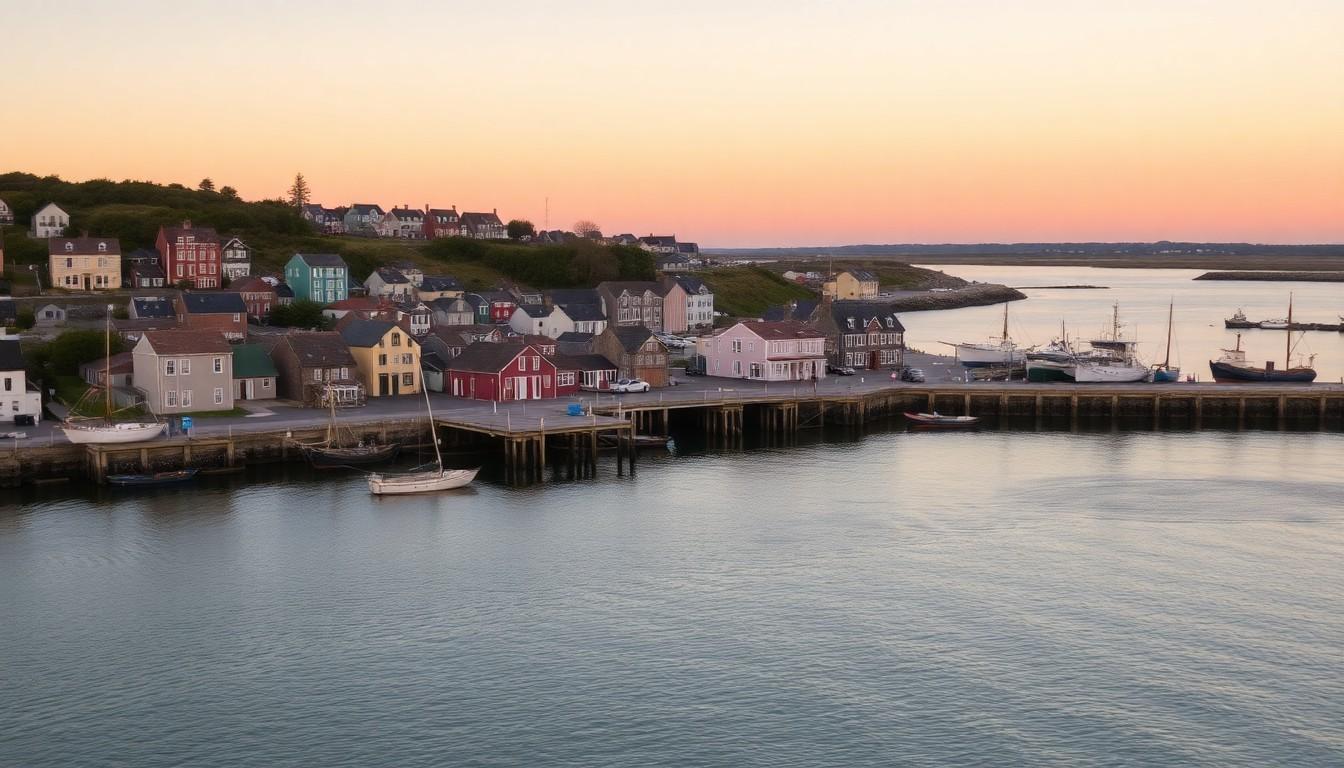
Celebrate loudly or quietly, Pride matters everywhere. Organisations, fishers, and rural LGBTQIA2S+ community members are finding new ways to mark Pride Month, build connection, and push for rights in places where visibility can feel risky but powerful. Here’s why Pride still matters, how to join in safely, and practical ways to show up.
Essential Takeaways
- Community matters: Pride offers safe spaces for connection in rural and conservative areas where isolation is common.
- History anchored: Pride commemorates the Stonewall Rebellion, the spark of the modern LGBTQ movement.
- Mental benefits: Celebrating Pride can boost wellbeing, reduce isolation, and strengthen resilience.
- Ongoing advocacy: Legal gains exist, but continued discrimination and hostile legislation mean Pride remains a time for political action.
- Practical participation: You can celebrate with small, low-risk acts, online groups, ally training, resource sharing, and visible workplace support.
Why Pride still matters where community feels distant
Pride isn’t just confetti and big-city parades; in rural and coastal communities it’s often a lifeline, a quiet beacon that says “you’re not alone.” People who live far from urban hubs, or who work in tight-knit industries like fishing, can feel cut off from LGBTQIA2S+ networks, and that isolation takes a toll. According to mental-health reporting, participating in community events or even small-scale celebrations improves wellbeing and reduces loneliness. So whether it’s a Facebook group, a picnic, or a boat-deck bunting, small moments of visibility matter.
Remembering where it began: the Stonewall connection
Pride traces its roots to the Stonewall Rebellion of 1969, when patrons of the Stonewall Inn resisted a police raid and sparked days of protest that historians say ignited the modern gay-rights movement. Outlets such as National Geographic and the National Park Service document how those confrontations marked a turning point, transforming grief and anger into organised activism. That history is a reminder that Pride blends celebration with the memory of struggle , useful context when younger people learn the movement’s origins.
The wellbeing boost: why celebrating helps
Research and health reporting show celebrating Pride can lift mood, lessen stress, and foster resilience. Simple acts, joining a local gathering, attending an online workshop, or flying a rainbow flag at a workplace where it’s safe, can strengthen social ties and signal acceptance. For people facing family or workplace rejection, even virtual meet-ups offer crucial emotional support. If you’re organising, think sensory: comfortable seating, quiet corners, and predictable schedules help make events welcoming.
How to celebrate safely and inclusively in tight communities
Visibility is powerful, but it can carry risks in places with anti-LGBTQ+ sentiment. Start small: host a private coffee morning, set up an email list, or partner with an established community group for co-branded events. Employers can mark Pride discreetly by sharing resources, offering ally training, or circulating a glossary of LGBTQ+ terms so colleagues know how to be respectful. If public display isn’t safe, consider donating to advocacy groups, sharing educational posts online, or supporting virtual Pride events.
Turning celebration into advocacy without burnout
Pride is a natural time to push for change, but activism can exhaust volunteers , particularly in communities where legal and cultural pushback is ongoing. Break advocacy into sustainable steps: sign petitions, lobby local representatives, host info sessions on rights and safety, or support legal-aid organisations. Remember that showing up openly is itself a political act in hostile environments; help keep it manageable by spreading tasks, setting boundaries, and celebrating small wins.
It's a small change that can make every Pride month safer, kinder, and more meaningful for people in every community.
Source Reference Map
Story idea inspired by: [1]
Sources by paragraph: