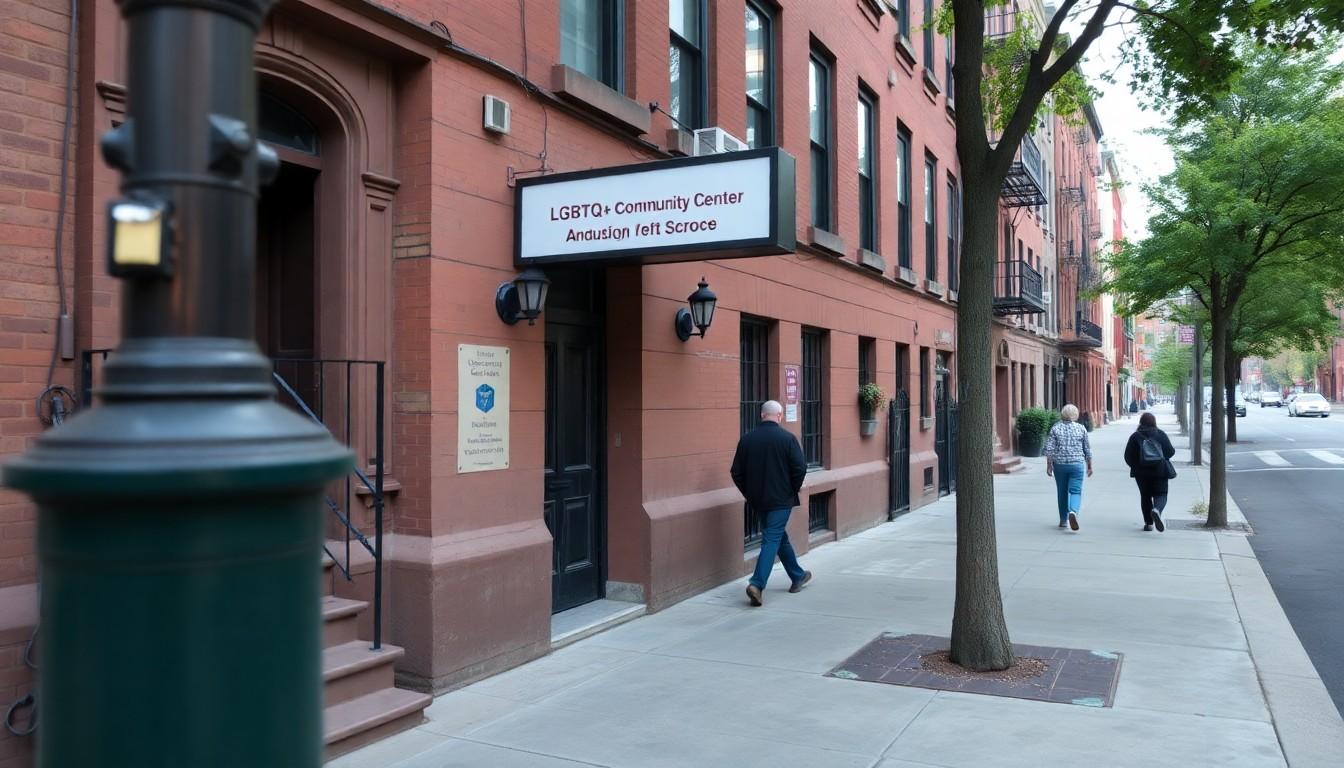
Startlingly, reporting on LGBTQ+ communities still puts journalists at real risk worldwide , from legal trouble to death , so knowing practical safety measures and newsroom support is essential for anyone covering these stories. This guide looks at why it matters, what threats reporters face, and clear steps to protect yourself on assignment.
Essential Takeaways
- High stakes: Reporting on LGBTQ+ issues has led to arrests, exile, physical attacks and even murder in multiple countries, so risk is real and varied.
- Legal danger: Vague or newly passed laws can be used to criminalise coverage; check local legislation before you file.
- Tactical safety: Do a risk assessment, use situational awareness, and work with a colleague when possible to reduce physical risk.
- Digital hygiene matters: Remove or lock down personal data online and follow basic operational security to avoid doxxing or targeted harassment.
- Support systems: Use newsroom resources, trusted contacts, and specialist organisations for legal, psychosocial and emergency assistance.
Why reporting on queer lives remains dangerous , and personal
Violence and intimidation against journalists covering LGBTQ+ stories aren’t just statistics; they’re brutal, intimate attacks. From bloggers stabbed for their views to camera operators beaten at rallies, the risk often takes a physical, chilling form. The threat creates a culture of self-censorship, and that’s the real loss , stories go untold and people disappear from the public record. For reporters, the emotional weight of covering a persecuted community can be heavy, so recognising that danger is the first step in managing it.
Laws, politics and the atmosphere that make coverage risky
Governments can weaponise language and law to silence coverage. Places that have adopted anti-“propaganda” or similarly vague statutes make it dangerously easy to conflate journalism with criminal conduct. That means you can be detained, accused of moral wrongs, or have your outlet blocked for doing routine reporting. Editors should insist on legal briefings before assignments and factor new or pending legislation into planning , it’s not paranoia, it’s due diligence.
Practical risk assessments: how to plan before you go
A short, focused risk assessment saves lives. Talk through who you’ll meet, how you’ll travel, what ID you’ll carry, and how visible you’ll be. Consider whether your identity increases risk and whether anonymity or bylines should be adjusted for safety. Agree check-in times, emergency contacts, and what escalation looks like. If your newsroom can’t or won’t provide support, reach out to specialist organisations for guidance before setting foot on potentially dangerous ground.
Staying safe on the ground: situational awareness and simple tactics
Situational awareness is a skill, not just common sense. Scout routes in advance, know escape options, and avoid predictable patterns. When covering protests or rallies, dress down, keep press credentials visible enough to be recognised but not so flashy they mark you out, and ideally report with a colleague. If you’re alone, brief someone on your plans and keep devices charged. And remember: it’s often smarter to preserve your safety than to chase a lead that could put you at immediate risk.
Digital security: protect your trail and your sources
Online information about you is ammunition. Lock down social accounts, remove unnecessary personal data, and be cautious about metadata in photos. Use encrypted messaging for sensitive conversations and consider secure storage for source material. If you’re likely to be targeted, work with your newsroom’s IT or outside cybersecurity help to run threat modelling and harden accounts. Prevention is cheaper and less traumatic than remediation after an attack.
When reporting forces you to reassess your role , and get help
Sometimes the safest choice is stepping back or changing how you report. That might mean switching beats temporarily, filing anonymously, or working through a partner organisation. Seek psychosocial support after traumatic reporting; trauma is normal after exposure to threats or violence, and help can make the difference between recovery and burnout. Know the specialist contacts that can offer legal and mental-health support and don’t hesitate to use them.
It's a small change that can make every assignment safer and keep crucial stories alive.
Source Reference Map
Story idea inspired by: [1]
Sources by paragraph: