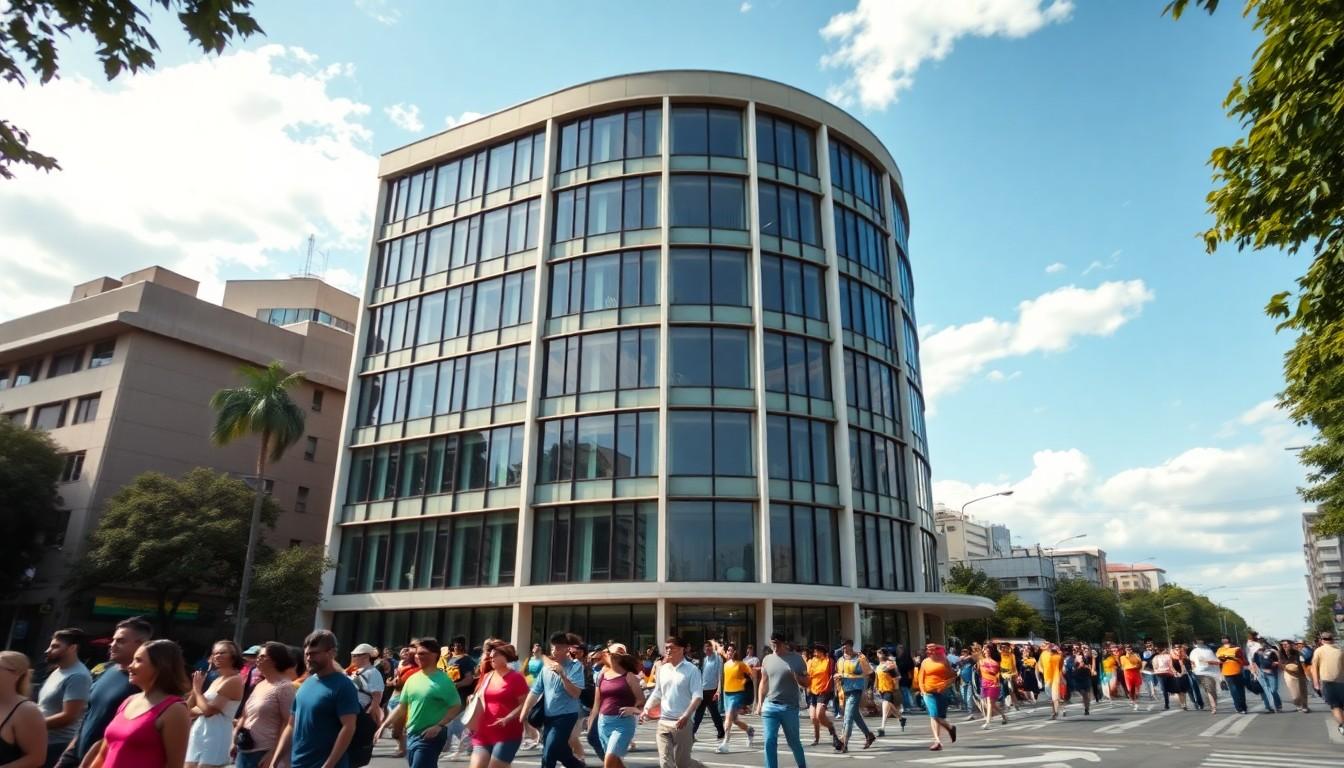
Celebrate with colour: Bogotá comes alive each June as residents and visitors fill museums, streets and bars to mark Pride, blending history, art and inclusion into a month-long programme that matters for rights, tourism and everyday life.
Essential Takeaways
- Vibrant programme: Museums, cinemas and neighbourhoods host exhibitions, film cycles and talks that feel creative and inclusive.
- Historic roots: Pride in Bogotá traces back to early street activism in the 1980s, giving the month real civic weight.
- Business buy‑in: Companies and hotels now run sustained inclusion programmes, not just Pride-month gestures.
- Neighbourhood energy: Chapinero, La Macarena and Zona T offer lively dining, nightlife and public events with a welcoming vibe.
- Practical tip: Check municipal and cultural calendars for routes, times and accessible venues before you go.
Why Bogotá’s Pride feels like a city-wide festival
Bogotá’s Pride no longer lives only in a parade; it’s diffused across theatres, museums and neighbourhoods, and you can feel the colour in the air. According to local cultural listings, institutions such as the Museo de Arte Moderno open special programmes and film cycles, so there’s always something striking to see or hear. The result is a month that blends celebration with conversation , art leading to questions, and streets leading to new friendships and debates about rights.
From first marches to mainstream visibility
The city’s Pride has roots in the early 1980s, when activists first took to the streets to claim recognition and equality. That history matters: it turns what might look like a party into a civic tradition with real political teeth. Organisers and older activists still use commemorations to remind people of the movement’s origins, while younger participants bring fresh energy and new priorities. Together, they keep Pride both celebratory and purposeful.
Cultural hotspots: where to go and why they matter
Chapinero, La Macarena and Zona T are the neighbourhoods everyone mentions for a reason , they host galleries, cafés and late-night venues that feel inclusive and relaxed. City-run cultural calendars list talks, workshops and exhibitions across these areas, so you can plan a loop: morning film screening, afternoon gallery visit, evening meal and live set. For families or visitors seeking quieter options, many museums offer accessible programming and daytime activities.
Businesses stepping up beyond the rainbow flag
A notable shift this year is the rise of ongoing corporate inclusion programmes rather than one-off Pride gestures. Industry initiatives aimed at workplace inclusion include mentorships, training and support for gender transitions, designed to make workplaces safer and more equitable. That matters for jobseekers and customers alike , when hotels, restaurants and venues adopt permanent policies, the welcome you get feels sincere and consistent, not just seasonal.
Practical planning: events, routes and safety tips
If you’re heading to Bogotá for Pride, check official cultural and municipal listings for parade routes, event times and accessibility information before you set out. Multiple marches and street events mean some roads will close; local coverage gives times and alternative transport suggestions. Bring cash and a small phone charger, pick daylight events if you prefer quieter crowds, and choose venues with clear accessibility info if that’s important to you.
The outlook: Pride as everyday practice
Bogotá’s approach suggests Pride is becoming part of the city’s DNA , a recurring reminder that diversity and inclusion enrich public life and tourism. With cultural programming, business commitments and neighbourhood energy all playing a part, the month no longer feels like a single event but a season of attention to rights, art and community. It’s a model that other cities in the region are watching closely.
It's a small change that makes every visit feel more open, colourful and meaningful.
Source Reference Map
Story idea inspired by: [1]
Sources by paragraph: