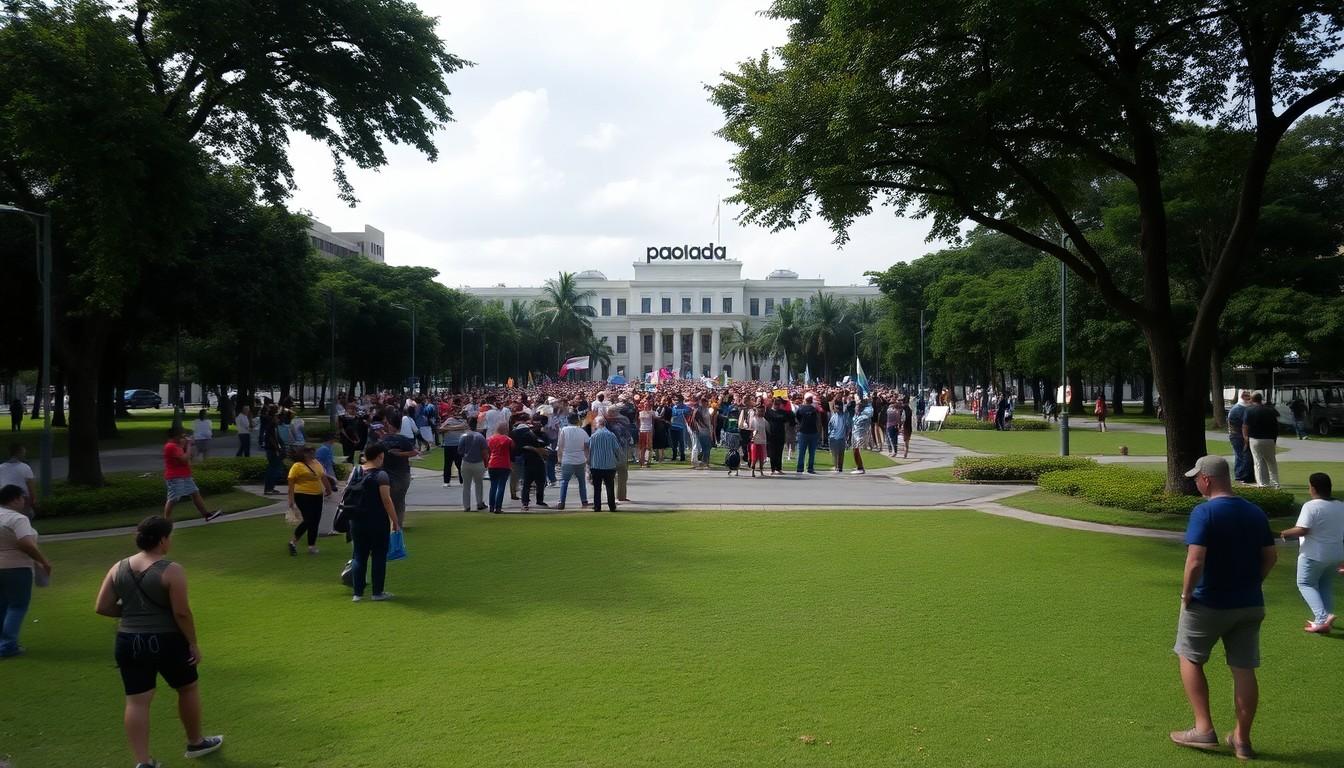
See thousands gather: Barranquilla’s XVI Marcha LGBTIQ+ brings colourful celebration and urgent demands for safety, equality and the protection of hard-won rights this Sunday 28 June. Locals, activists and allies will march from Parque Luis Carlos Galán to Plaza de la Paz to press for real guarantees against violence.
Essential Takeaways
- When and where: The march starts at 2pm on 28 June at Parque Luis Carlos Galán Sarmiento and finishes at Plaza de la Paz with cultural shows and speeches.
- Main message: The slogan “Ni un paso atrás en la igualdad de derechos” stresses defence of recent gains and resistance to rollback.
- Context of concern: Independent reports show killings and violence against LGBTIQ+ people rose sharply in 2025, creating an atmosphere of urgency.
- What to expect: A mix of political interventions, artistic performances and community stalls, visual, loud and hopeful, with a serious purpose.
- Safety note: Organisers urge peaceful participation and solidarity; local groups will be on hand to offer support and information.
Why this year’s march feels different: celebration with a weighty edge
Barranquilla’s Pride has always been loud and colourful, but this edition carries an extra urgency you can feel in conversations on the street. Organisers framed the XVI Marcha LGBTIQ+ around the idea of “no step back”, a slogan that reads like a response to recent, grim statistics about violence. The procession will still pulse with music and banners, but many participants will also be marching to demand protection, not just recognition.
Caribe Afirmativo and other human rights observers have documented a worrying uptick in killings and attacks, and that backdrop makes the usual joy of Pride more tempered. Expect slogans, testimonies and legal demands woven into performances, rather than a purely festive programme. If you’re going, bring water, a comfortable mask if you prefer crowds, and an appetite for both protest and party.
How the route and programme foreground community voices
The day starts at Parque Luis Carlos Galán Sarmiento and moves through main thoroughfares to Plaza de la Paz, where the event wraps with artistic acts and speeches by community leaders. That finish line is deliberate: it’s a public, civic space where demands for policy change and protection can be made visible to passers-by and officials.
Organisers designed the route to maximise visibility and to create safe meeting points for groups, families and allies. Local collectives and institutions are backing the march, so you’ll see a broad civic presence, from NGOs to cultural troupes. If you want to bring a banner or join a contingent, check with the Mesa LGBTI beforehand for assembly points and codes of conduct.
The statistics that turned celebrations into calls for change
Recent reports paint a stark picture: in 2025, monitoring groups documented a sharp rise in homicides and other forms of violence against LGBTIQ+ people nationwide, with figures suggesting one killing roughly every 32 hours. National press outlets and human rights NGOs have amplified those figures, and they’re a constant reference in this year’s messaging.
For residents of the Atlántico, the data is especially worrying: regional reports list dozens of domestic violence and sexual violence incidents against LGBTIQ+ people. That gap between legal rights on paper and day-to-day safety is central to why local activists insist the march is both a celebration and a demand for accountability.
What organisers and allies are asking for, practical demands
The march isn’t just symbolic. Community groups are calling for concrete measures: better protection protocols, more responsive law enforcement, improved reporting mechanisms and resources for survivors. They also want educational programmes to tackle prejudice at the roots.
If you’re an ally, practical ways to help include: amplifying verified information from advocacy groups, volunteering with legal or medical support teams if you have the skills, and donating to local organisations that provide counselling and emergency aid. Small actions at community level add up to pressure on institutions.
Looking ahead: Pride as a platform for lasting change
Barranquilla’s Pride has grown into a major regional event over 16 editions, moving from a local demonstration to a space of civic participation and cultural expression. That history gives the march weight, people remember past struggles and victories, which makes the call to resist regression feel both personal and collective.
Expect this year’s event to combine spectacle with strategy: colourful floats and heartfelt performances, alongside formal pronouncements and lists of demands. The hope is that visibility will translate into concrete policy follow-through in the months after the march.
It's a small change that can make every step toward equality feel steadier.
Source Reference Map
Story idea inspired by: [1]
Sources by paragraph: