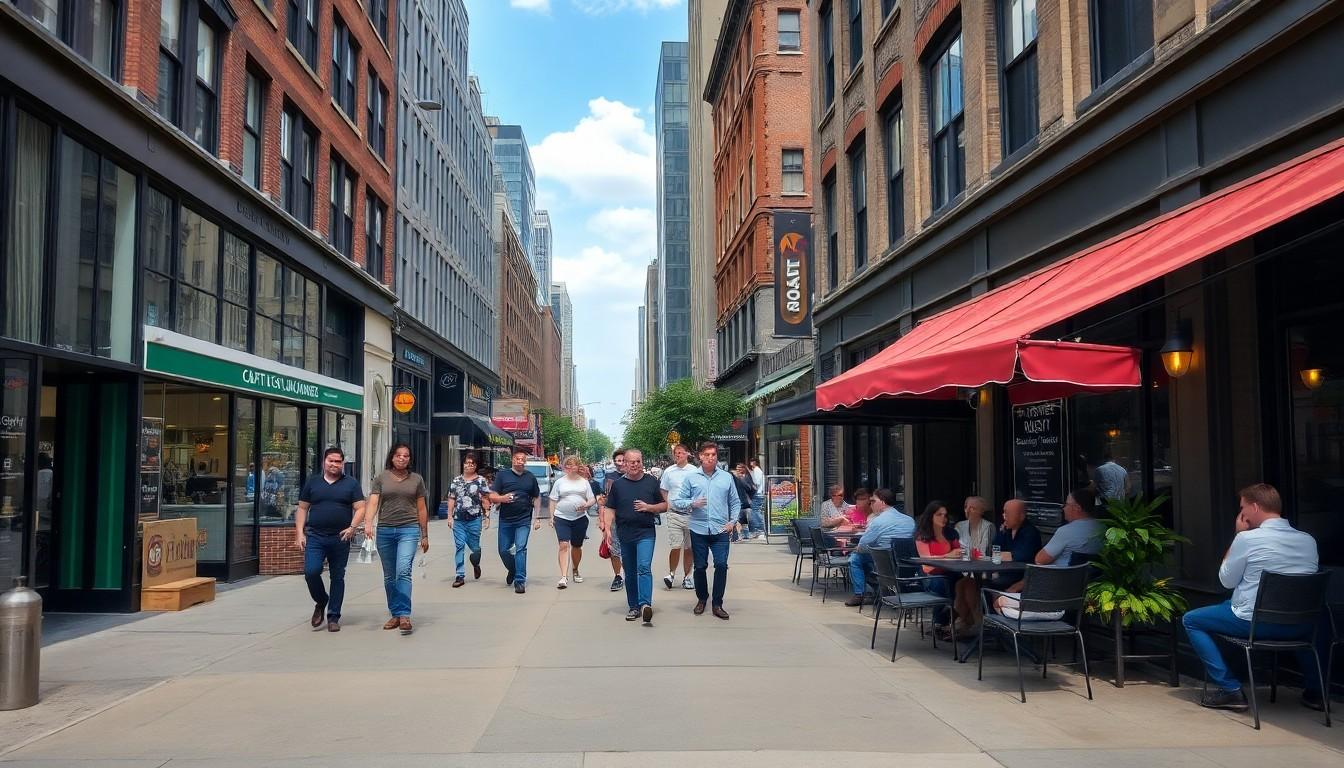
Shoppers and revelers poured into downtown Minneapolis for Twin Cities Pride, and organisers say the weekend's crowds, hundreds of thousands strong, meant a huge lift for vendors and neighbourhood shops, especially as national corporate support waned. Here's what that meant for small businesses, transit and community resilience.
Essential Takeaways
- Massive turnout: Organisers expect roughly 400,000 people across the weekend, bringing big footfall to downtown Minneapolis and Loring Park.
- Real cash impact: A University of Minnesota study estimated Pride spending topped $7 million in 2018; organisers believe the number is larger today as attendance and vendor counts grow.
- Local sponsors filled gaps: With some national corporate support reduced, local businesses and 1,700 individual donors stepped in, raising more than $100,000 in 2025.
- Vendors depend on the weekend: Many stalls earn a significant portion of annual revenue at Pride; the event's economic ripple affects restaurants, retail and transport.
- Plan your visit: Parking is extremely limited; Metro Transit offers free rides during the festival to ease access and reduce congestion.
Opening Hook: A festival that smells of street food and painted flags turned into a weekend goldmine for local traders, with organisers counting a human tide through downtown that was visible and audible. According to event organisers, Twin Cities Pride at Loring Park drew thousands from youth night into the heart of the city, signalling the start of a huge cultural and commercial weekend. That same footfall is why merchants and stallholders waited all year for this moment, and why the ripple effects matter beyond the parade route.
Backstory: How planning shifted this year and what that meant for business support. Organisers admit this year was different, time usually spent on early registration and corporate outreach was redirected to community support through initiatives like Operation Metro Surge. As national companies scaled back diversity, equity and inclusion programmes, event planners said fewer big corporate cheques arrived. So local businesses and a wide base of donors stepped forward to protect the festival's financial backbone and ensure vendors could still show up and sell.
Trends and comparisons: Bigger crowds, more vendors, and a changing sponsorship landscape. A 2018 University of Minnesota estimate put attendee spending at more than $7 million; with attendance reportedly up and vendor numbers higher, organisers say the economic impact is likely greater now. This mirrors a wider trend where community-funded and grassroots backing is replacing some corporate sponsorships, putting more emphasis on local investment and small business resilience.
Practical insight for vendors and visitors: Why this matters if you rely on Pride for income. Vendors tell organisers that a significant portion of annual proceeds can come from the festival weekend, so any dip in sponsorship or a hiccup in planning can have real consequences. If you run a stall next year, secure permitting early, budget for slower corporate support, and market to local customers who will now be doing more of the heavy lifting. If you're visiting, skip the car, parking will be scarce, and take Metro Transit, which is offering free service to reduce stress and street congestion.
Reaction and outlook: Community over corporate, for now. Organisers and volunteers emphasised that the story of this year's Pride wasn't only who pulled banners but who showed up to support one another. With 1,700 donors raising more than $100,000 in 2025, there's a clear appetite among residents and small businesses to keep the festival thriving. Looking ahead, expect more creative funding models and tighter ties between local commerce and civic celebration, it's a pivot that leaves the festival feeling more rooted in the city.
Closing line
It's a small change in funding but a big statement: Twin Cities Pride keeps the party going because the community chose to keep it that way.
Source Reference Map
Story idea inspired by: [1]
Sources by paragraph: