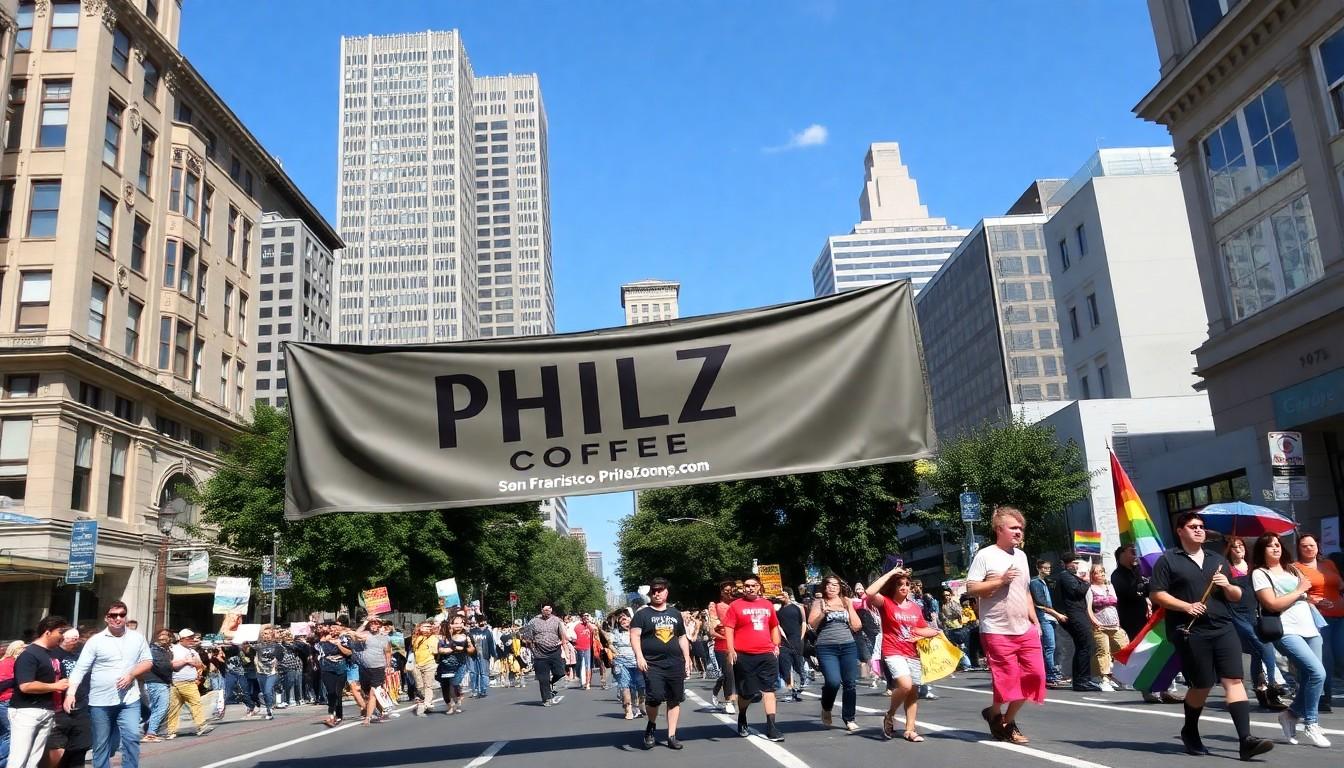
Shoppers and city-goers noticed a familiar face back in San Francisco’s Pride fold this week: Philz Coffee is sponsoring the city’s Pride Parade for the first time since 2018, a $30,000 boost that follows an earlier backlash over plans to remove Pride flags from its cafes , a move the company reversed after staff and public pushback.
Essential Takeaways
- Big contribution: Philz is paying $30,000 to sponsor San Francisco Pride, returning as a major corporate donor after a multi-year absence.
- Flag reversal: The chain scrapped earlier plans to remove Pride flags and reinstated them after employee revolt and public criticism; the company says it will display the Progress Pride flag in stores.
- Public apology: CEO Mahesh Sadarangani publicly apologised and engaged directly with the LGBTQ community in forums to explain the decision and next steps.
- Context of shrinking corporate support: The sponsorship arrives as other big names, including Starbucks and many tech firms, have stepped back from parade sponsorships in recent years.
- Community reaction: Pride organisers, led by Executive Director Suzanne Ford, framed the sponsorship as part of a repair process, welcoming deeper support after the controversy.
What happened , the quick version
Philz announced it would sponsor San Francisco Pride with a $30,000 contribution, marking its first parade sponsorship since 2018. The money arrives after a public flap earlier this year when the company planned to change in‑store decor by removing Pride flags. That idea provoked staff backlash and community outcry, and Philz reversed course, restoring flags and promising new in‑store displays featuring the Progress Pride flag. CBS News and the San Francisco Standard reported on the sponsorship and the sequence of events.
Why it mattered to staff and customers
Employees at Philz pushed back hard enough that the company publicly apologised. CEO Mahesh Sadarangani admitted the decision was a mistake and said he was sorry, then met with community members at an LGBTQ forum to listen and outline fixes. The visceral response , colleagues upset, loyal customers vocal , made the issue more than a branding choice; it became about who Philz is to its people and its neighbourhoods. The Guardian and Metro Weekly covered the internal and community reactions at length.
Sponsorship in the wider parade landscape
This donation comes at a time when corporate coffers for Pride events have thinned. Many big tech companies and other household names have either reduced their visibility or stopped sponsoring Pride parades, leaving organisers to seek new or returning partners. Philz’s payment is modest by some standards, but symbolic: it’s a return to active support at a moment when every sponsor counts. The San Francisco Chronicle noted the shift in corporate involvement across Bay Area events.
What Philz is promising next , and what to watch for
Philz says it will create a “community wall” in stores that includes the Progress Pride flag and will continue supporting local LGBTQ initiatives. That kind of visible change matters because it’s tangible for customers and staff , a small, daily reminder in shops. Look for how consistently the chain follows through across locations, and whether sponsorship is joined by sustained community funding or programming rather than a one‑off gesture. The company’s own announcement and follow‑ups give the official line on these plans.
Picking apart reputation repair: is a sponsorship enough?
A $30,000 check and a public apology help, but many communities want long‑term commitments. Sponsors who step back after controversies often find it’s the ongoing actions , equitable hiring, local partnerships, staff training , that rebuild trust. San Francisco Pride’s leadership framed Philz’s decision as a deepening of relationship rather than a simple buy‑off, which suggests organisers will expect more than logos at an event. Coverage in the San Francisco Standard and other outlets highlights both relief and cautious optimism among activists.
It's a small change that can make every visit to the café feel a bit more aligned with the people who drink there.
Source Reference Map
Story idea inspired by: [1]
Sources by paragraph: