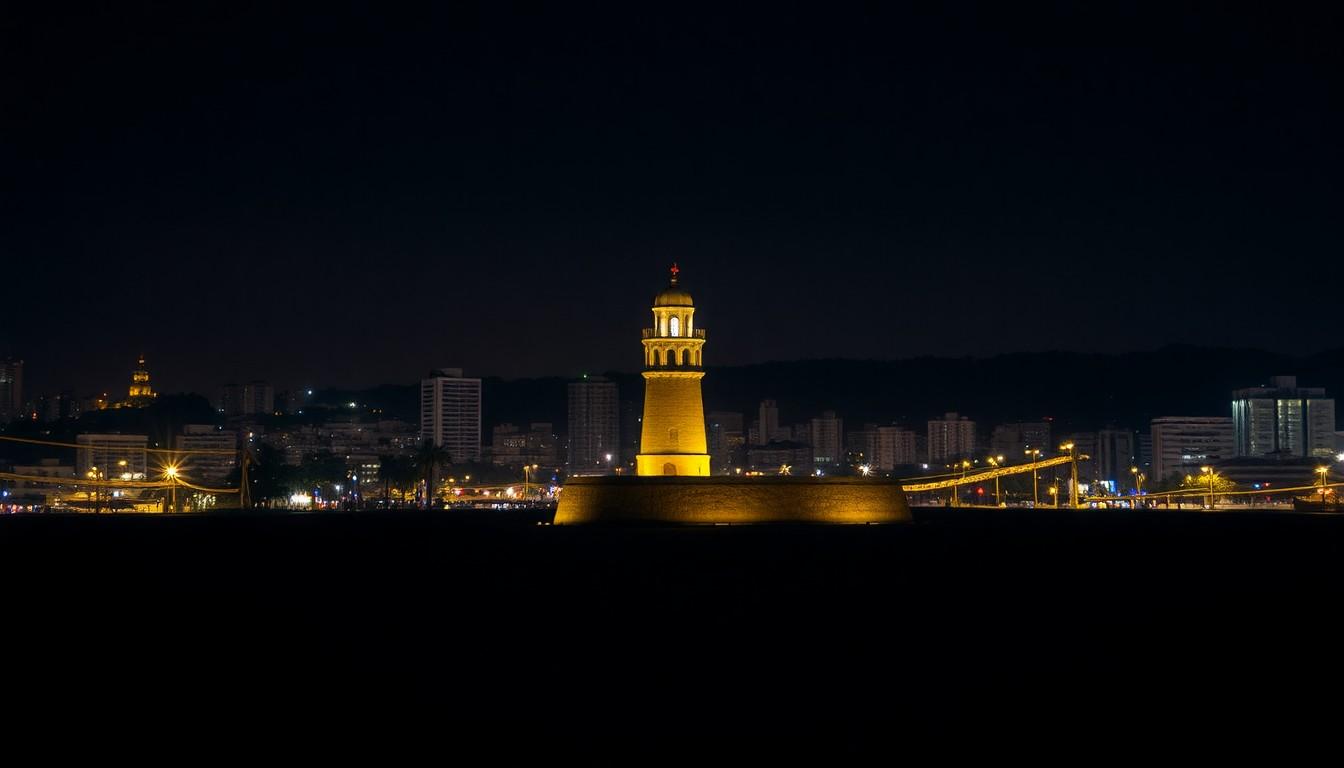
Expect a colourful, bustling celebration: organisers are staging the 23rd Salvador Pride on 6 September 2026 at Farol da Barra, a Sunday before Brazil’s Independence Day, aiming to draw locals and visitors and highlight LGBT+ rights as part of a wider freedom narrative.
Essential takeaways
- When and where: 23rd Salvador Pride is set for 6 September 2026 at Farol da Barra, one of the city’s most photographed seaside spots.
- Theme: “From the Heart of Salvador to the World” signals a local identity with international reach.
- Economic boost: Organisers expect the timing ahead of the holiday to lift tourism, hotels, restaurants and nightlife.
- Organiser background: The event is coordinated by Grupo Gay da Bahia, a veteran LGBT+ advocacy group founded in 1980.
- Community call: The GGB is inviting supporters, allies and human-rights defenders to join a public march tied to freedom and equality.
A bold date choice , why the eve of Independence Day matters
Putting Pride on the Sunday before 7 September is smart theatre. It’s a warm, seaside evening at Farol da Barra , think salt air and colourful floats , and it lines up with a long holiday weekend that usually sees tourists and families in the city. Organisers hope that timing will not only swell turnout but also stitch the Pride message into national conversations about liberty and citizenship.
Marcelo Cerqueira, CEO of Grupo Gay da Bahia, framed the date as deliberate: marching on 6 September, he says, reaffirms LGBT+ struggles as integral to what independence stands for. That connection turns a parade into a civic statement, and it’s the sort of symbolic move that gets attention beyond local headlines.
A seaside showcase: Farol da Barra as stage and symbol
Farol da Barra is an iconic, visual place to host a parade , lighthouse, ocean and crowds make for vivid images that travel fast on social media. The location also makes logistical sense: there’s space for stages and spectators, plus nearby hospitality to handle visitors. Expect music, colour and a route designed for spectacle.
If you’re planning to attend, pick your viewing spot early and think about sun protection; late-afternoon light at the Barra can be beautiful but strong. For photographers and influencers, this is a set-piece moment , and for families and older attendees, accessibility and public transport should be considered when organisers release the route and timing.
Grupo Gay da Bahia , history, credibility and community work
Grupo Gay da Bahia (GGB) is one of Brazil’s oldest LGBT+ organisations, founded in 1980, and it brings decades of activism and networks to the event. The group has campaigned on education, health, culture and violence prevention, and it was instrumental in historic fights such as the removal of classifications that pathologised homosexuality.
That institutional heft matters: a veteran organiser can marshal volunteers, liaise with authorities and attract sponsors, while keeping the parade rooted in advocacy. For attendees, that means the event is likely to mix celebration with concrete calls to action around rights and health.
What to expect on the day , music, crowds and civic energy
At the time of writing, the musical line-up and exact schedule haven’t been released, but the GGB has already called for broad participation from the LGBT+ community, allies and human-rights supporters. Past parades have combined pop acts, local bands and DJs with speeches and stalls offering information about health, legal aid and community services.
If you’re coming from out of town, book accommodation early , the placement beside a holiday could make the city busier than usual , and check the GGB’s channels for updates on programming and safety measures. Bring cash for local vendors, wear comfortable shoes, and plan a meeting point if you’re with a group.
Why this year may matter beyond the parade
Staging Pride at the threshold of a national holiday gives organisers an opportunity to recast LGBT+ rights as part of the national story of freedom. That narrative has resonance not just for local politics but also for visitors who may carry those images and messages home. Economically, an influx of tourists helps local hotels, restaurants and entertainment venues, too, so the event has civic as well as symbolic weight.
Looking ahead, the success of this edition could influence how other Brazilian cities frame their events , timing matters, and so does the message. For locals, it’s a visibility moment; for the city, it’s a cultural and economic opportunity.
It's a small calendar shift that could make every chorus of chants and every glittered float feel a bit more like a civic claim to liberty.
Source Reference Map
Story idea inspired by: [1]
Sources by paragraph: