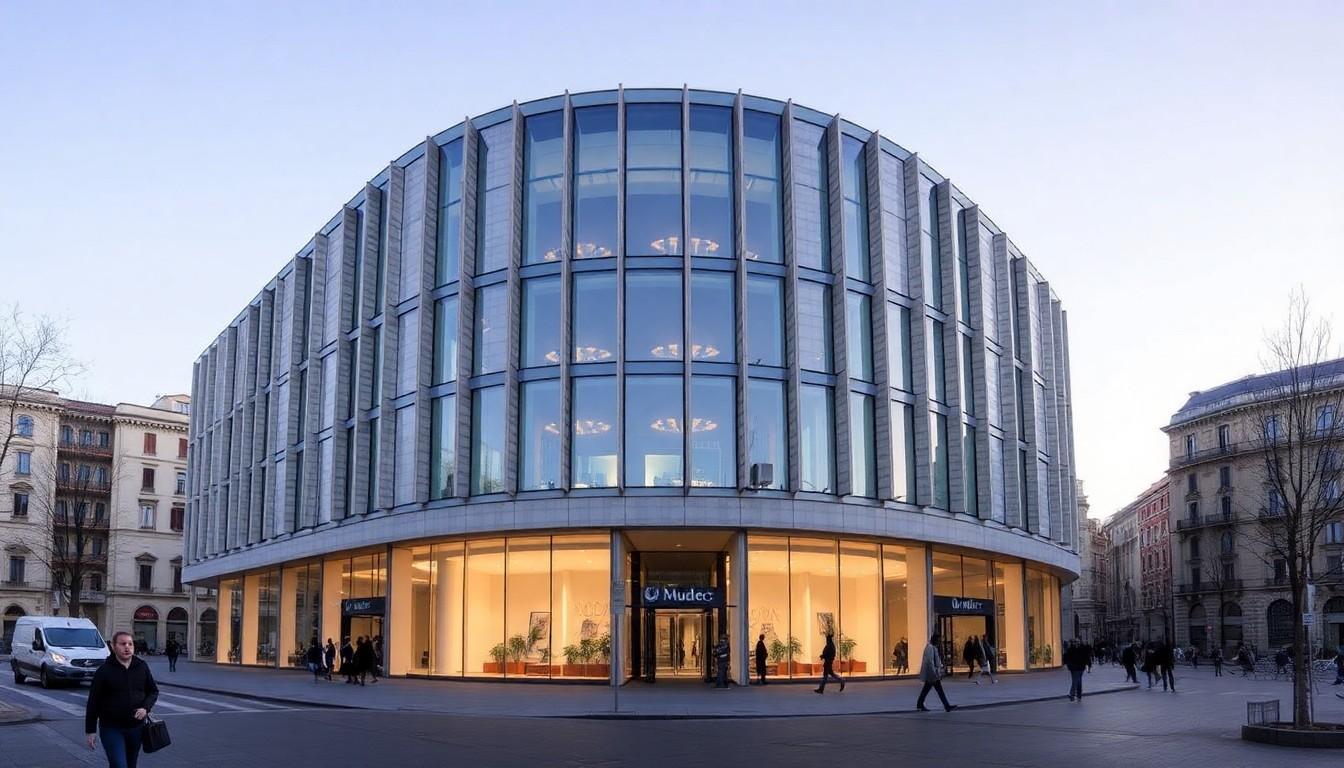
Shoppers, residents and Pride-goers have noticed a political promise turning practical: Milan will get a Rainbow Centre before the mayor’s term ends, offering psychological, legal and health support plus social spaces , a visible step for inclusion that matters to local LGBT+ communities and city services.
Essential Takeaways
- Committed timeline: The city plans to assign a Rainbow Centre space by early 2027, with a public call already launched.
- Services on offer: The centre is designed for psychological help, legal advice, healthcare links and events or socialising.
- Location chosen: The initiative targets municipal spaces, notably around MUDEC and former Ansaldo areas, noted for community access and visibility.
- Local backing: The move follows public support and party-level conversations about anti-homotransphobia measures, signalling political as well as civic action.
- Community links: Existing groups and services such as Arcigay Milano and welfare desks are expected to be partners or resources.
Sala’s promise: a civic space that feels practical, not symbolic
Giuseppe Sala told Pride attendees the Rainbow Centre is coming and that he’ll announce details from the stage , a line that felt both ceremonial and concrete. The idea is less about a plaque and more about a working hub, a place with a calm, welcoming vibe where people can get real help. That mix of visible support and practical services is what residents say they want.
According to the municipality, the public notice for the centre is already online and the assignment process should wrap up early in 2027. That timeline matters: it keeps the commitment within the mayoral term and gives community groups something to plan around. For anyone wondering whether this will be a one-off gesture, the emphasis on counselling, legal aid and healthcare suggests longer-term utility.
Why the MUDEC and ex-Ansaldo areas make sense
Milan has been using underused cultural and industrial spaces for community projects, and the announced locations follow that pattern. MUDEC sits in a well-trafficked neighbourhood and former Ansaldo spaces have been earmarked for civic functions. Both offer easy access, a bit of urban energy and the chance to host events without feeling tucked away.
City planning sources explain that repurposing municipal spaces is faster and cheaper than buying new real estate, and it keeps services close to other cultural and welfare provision. If you’re thinking of visiting, expect a mix of private meeting rooms for consultations and open areas for workshops or socials.
Services that matter: from legal advice to a cuppa and company
The Rainbow Centre is pitched as a multi‑service hub: psychological support, legal guidance, health referrals and event space. That combination works because troubles are rarely just legal or just emotional; people need navigation, continuity and a friendly face. The model mirrors services already offered by local desks and foundations that support LGBT+ people.
Practical tip: look for appointment systems and walk-in slots once the centre opens. If you need advocacy around discrimination or healthcare access, bring any paperwork or correspondence to a first session , it makes legal triage much quicker. For parents or allies, community events will be the easiest way to see how the centre operates before booking one-to-one help.
How this links to national debates on anti‑homotransphobia laws
Sala was clear that local work doesn’t replace national legislation, and that MPs should consider laws against homotransphobia. The city’s move is effectively saying: while you legislate, we’re building infrastructure. That’s a common pattern , municipalities pilot services that prove need and practice on the ground.
Expect the Rainbow Centre to feed into wider discussions: data on cases handled, types of discrimination reported and health referrals will make useful evidence for campaigners lobbying at national level. It’s an example of local action nudging policy conversations upstairs.
What community groups bring to the table
Groups such as Arcigay Milano and other local organisations already run counselling, events and outreach, and they’re likely to be partners or users of the new centre. Collaboration will be key: municipal spaces can offer structure, while community organisations supply trust and specialist knowledge.
If you’re part of a grassroots group, start preparing proposals and evidence of demand now. The public call for the space will favour applicants who can show community reach and sustainable plans. For ordinary residents, attending early events is a simple way to shape what the centre becomes.
It's a small change that can make every support conversation more accessible.
Source Reference Map
Story idea inspired by: [1]
Sources by paragraph: