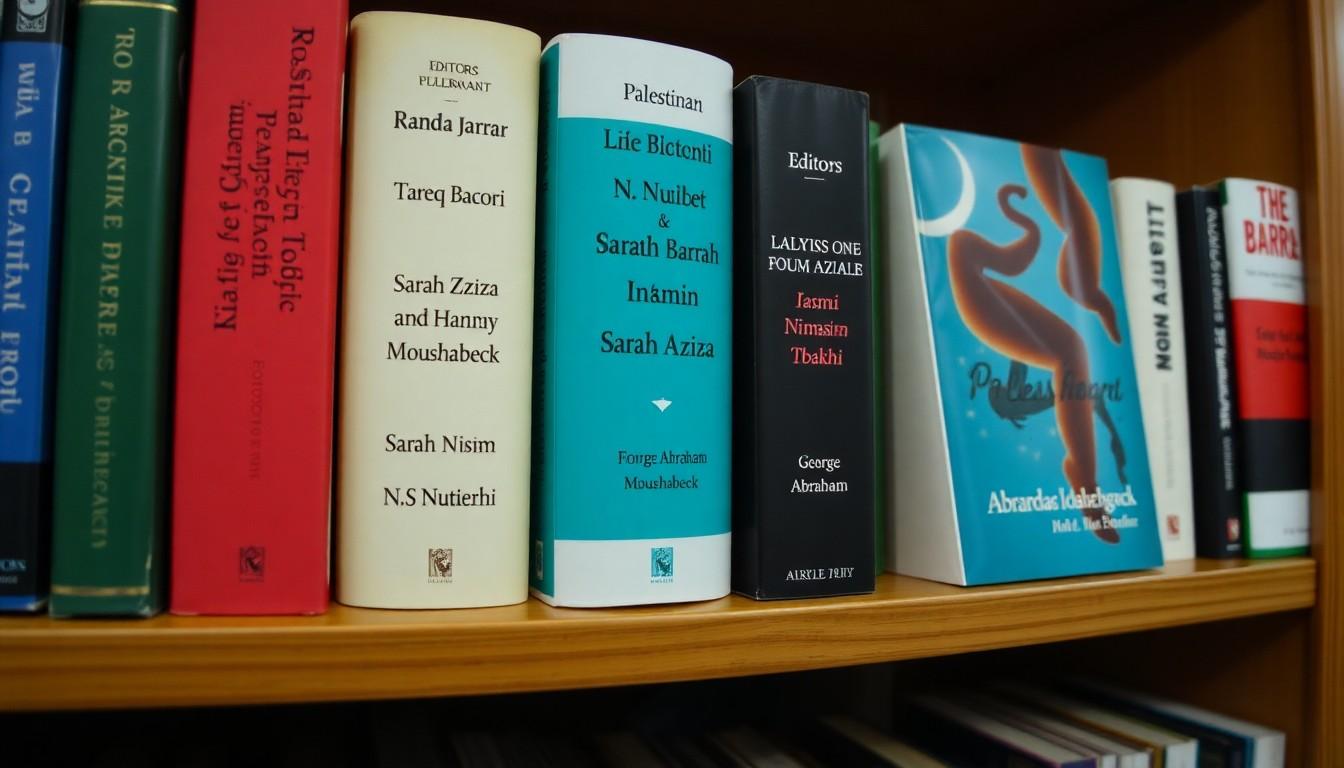
Celebrate Pride by discovering bold queer Palestinian voices; readers are turning to memoir, poetry, essays and graphic novels that reclaim identity, resist erasure, and offer intimate, lived experience. These seven titles, ranging from anthologies to short stories, are accessible, moving, and important additions to any bookshelf.
Essential Takeaways
- Wide variety: Includes memoir, short stories, poetry, graphic novel and an anthology, so there’s something for every reader.
- Emotionally vivid: Several books are described as page‑turning, tender, and searingly intimate, with strong sensory writing.
- Political and personal: These works weave personal queer experience with Palestinian history and resistance.
- Accessible entry points: Anthology and short story collection are great places to start if you’re new to the genre.
- Visually striking: The graphic novel uses colour and light to render disability and emotion in a tactile way.
Why these books matter right now
Queer Palestinian literature has moved from small presses and zines into a recognisable, much‑needed strand of contemporary writing, and that shift matters. Readers will notice a particular texture to these works: tenderness braided with political clarity, and moments of surprising humour alongside grief. According to listings and publisher pages, the anthology Homosexual Intifada gathers many voices into one place, making it an obvious first stop for anyone seeking breadth and context. If you want both beauty and bite this Pride, these books provide both.
Start with the anthology: a curated introduction
Anthologies are great primers because they let you sample voices before committing to a full‑length memoir or novel. Homosexual Intifada, edited by George Abraham and Hannah Moushabeck, assembles essays, poetry, fiction and visual work that map queer Palestinian lives across genres. Editors and contributors foreground both the intimate and the political, so you’ll get personal testimony alongside pieces that explicitly engage with activism, identity and diaspora. If you’re wondering where to begin, an anthology lets you jump between styles until you find a voice that grabs you.
Memoirs that hold you close
Several of the recommended titles are memoirs that read with the immediacy of conversation. Tareq Baconi’s Fire in Every Direction is described as a sweeping, fast‑moving life story that blends family history with political reflection; readers often report leaving it emotionally changed. Sarah Aziza’s The Hollow Half is praised for its craft and its non‑linear structure, offering a reading experience that feels both tender and intellectually generous. Memoirs like these are useful because they show how private lives intersect with public histories, perfect if you want a human entry into complex political realities.
Stories, poetry and the power of compression
Short stories and poetry can be devastatingly effective in a few pages. Randa Jarrar’s Him, Me, Muhammad Ali is singled out for energetic, unforgettable short fiction that blends the surreal with acute emotional truth, an ideal choice if you want quick, vivid readings that still linger. Fargo Nissim Tbakhi’s poetry collection Terror Counter is recommended for readers looking for uncompromising, resistive work that refuses elegant consolations. Poetry and short fiction make these themes portable: you can read a poem on a commute and still carry its weight home.
Visual storytelling and lived experience
Graphic memoirs and comics offer a sensory route into stories that might otherwise be difficult to convey. Mis(h)adra by Iasmin Omar Ata (Delta) uses colour and light to communicate epilepsy, medical encounters and family dynamics in a way that words alone sometimes can’t. If you value visual immediacy, panels that pulse with feeling, this graphic novel is a vivid complement to the prose and poetry in the list.
How to choose the right book for you
Think about your mood and your aims. Want a broad introduction? Try the anthology. Looking for a single voice to sink into? Pick a memoir. Short on time but craving intensity? Choose the short story collection or the poetry. If visual language matters, start with the graphic novel. Many of these titles are available through independent bookshops and university presses, so consider buying local or checking library access if you prefer to read before you buy.
It's a small change that can open up a lot of new perspectives, start with one book and let it lead you to the next.
Source Reference Map
Story idea inspired by: [1]
Sources by paragraph: