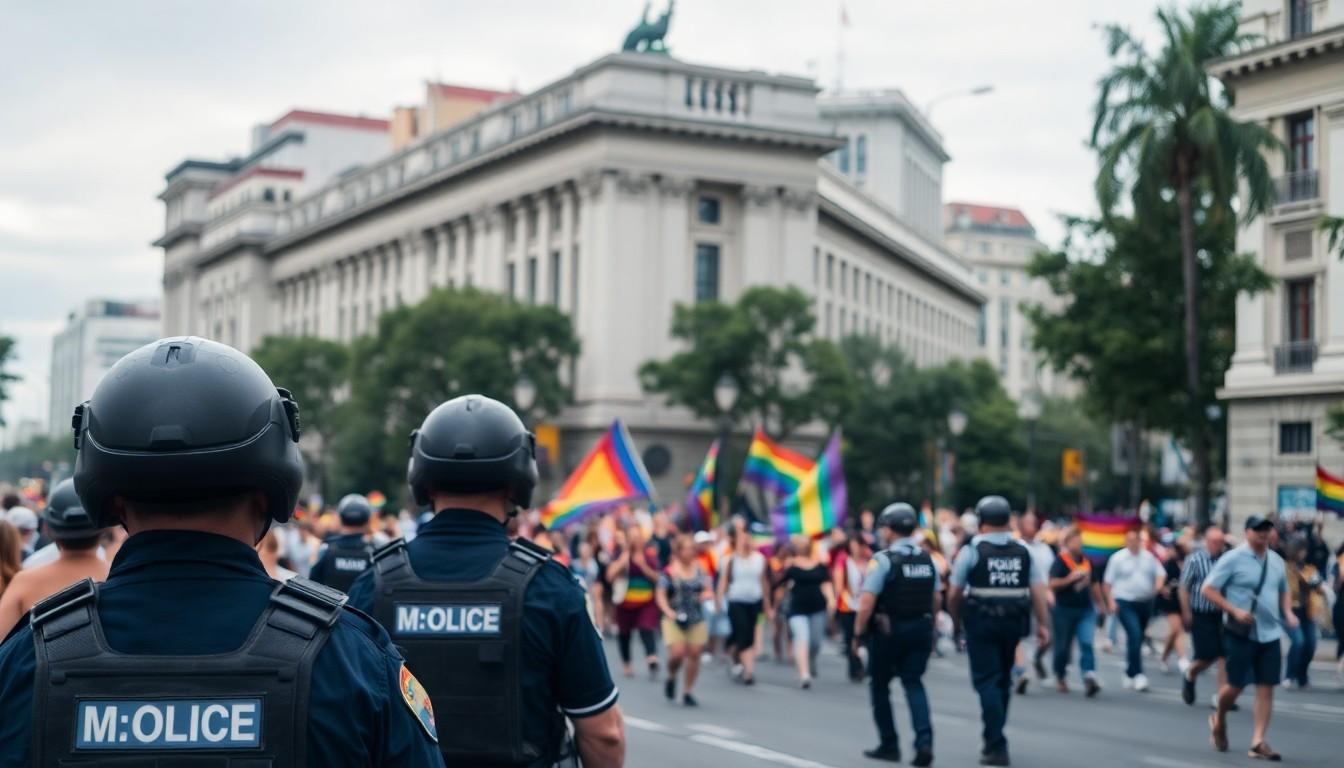
Watching Paseo de la Reforma swell with colour and voices this Pride, attendees mixed celebration with urgent demands for health, safety and justice , and their message matters for anyone who cares about inclusion, visibility and real change.
Essential Takeaways
- Huge turnout: Thousands marched along Paseo de la Reforma, blending carnival energy with pointed calls for rights and accountability.
- Health visibility: Community groups used the parade to promote sexual health and dispel myths about HIV and STIs, with a grounded, non‑shaming tone.
- Justice for trans victims: Families of murdered trans people publicly demanded prosecutions and reforms to how authorities handle cases.
- Adjusted route: The procession shortened because of a Fan Fest at the Zócalo, ending earlier near Avenida Juárez; logistics mattered for accessibility.
- Everyday inclusion: From radio stations to Metro staff, a broad cross‑section showed support , but many marchers stressed one day of visibility isn’t enough.
Opening Hook: A party with an edge
The familiar fizz of DJs and confetti was there, but this Pride had a sharper edge , banners about clinics and courtrooms sat beside glitter and beer. According to coverage across Mexican outlets, the city’s main avenue felt both celebratory and serious, as marchers made space for health education and demands for justice. You could hear laughter and sobs on the same stretch of pavement; that contrast is what made the day stick in people’s minds.
Backstory and why health was centre stage
Organisations used the parade as a platform to correct misconceptions about sexual health and HIV transmission, saying stigma still drives fear and keeps people from testing. One group handed out information on routine check‑ups and safer‑sex practices, pointing out that anyone sexually active can be at risk and regular testing is practical, not punitive. That public‑health emphasis reflects wider efforts in Mexico and beyond to normalise care instead of punishment.
Justice for trans lives: families speaking out
Alongside health messages were raw calls for accountability. Families of trans victims marched demanding thorough investigations and protection; one relative described direct threats after reporting an attack and criticised how some prosecutors handled the case. These testimonies underline a persistent problem: visibility in a parade doesn’t always translate into fair treatment in courts or police stations. Activists say that needs to change now.
Logistics, route changes and what that meant for marchers
Because of a major Fan Fest at the Zócalo, organisers had to shorten the route, turning what is usually a central procession into a truncated march ending near Avenida Juárez. That mattered practically , fewer floats reached the heart of the city, and some groups adjusted their plans , but it also had symbolic weight: when space for protest shrinks, so does the spotlight on demands for reform. Still, the crowd found ways to be loud and visible within the constraints.
Everyday allies and the limits of one day
From Metro workers to private companies and radio stations, a wide range of participants decorated floats and flags, showing that support goes beyond activist circles. Yet several marchers noted that only being visible one day a year isn’t a fix , whether it’s access to healthcare, protection from violence, or non‑discriminatory policing, the work must continue. The mood was hopeful but realistic: Pride can lift a conversation, but policy and practice follow from sustained pressure.
Practical tips if you plan to go next time
- Check the route and any city events in advance; big festivals can mean shorter parades or altered access.
- If you want to help beyond showing up, look for volunteer stalls handing out resources on sexual health and legal support.
- Listen to affected families and groups , their stories often point to concrete reforms like police training or better victim support.
- Bring water, a charged phone and a plan to meet friends if the crowd shifts , Pride is joyous, but being prepared keeps it safe.
It's a small change that can make every celebration mean more.
Source Reference Map
Story idea inspired by: [1]
Sources by paragraph: