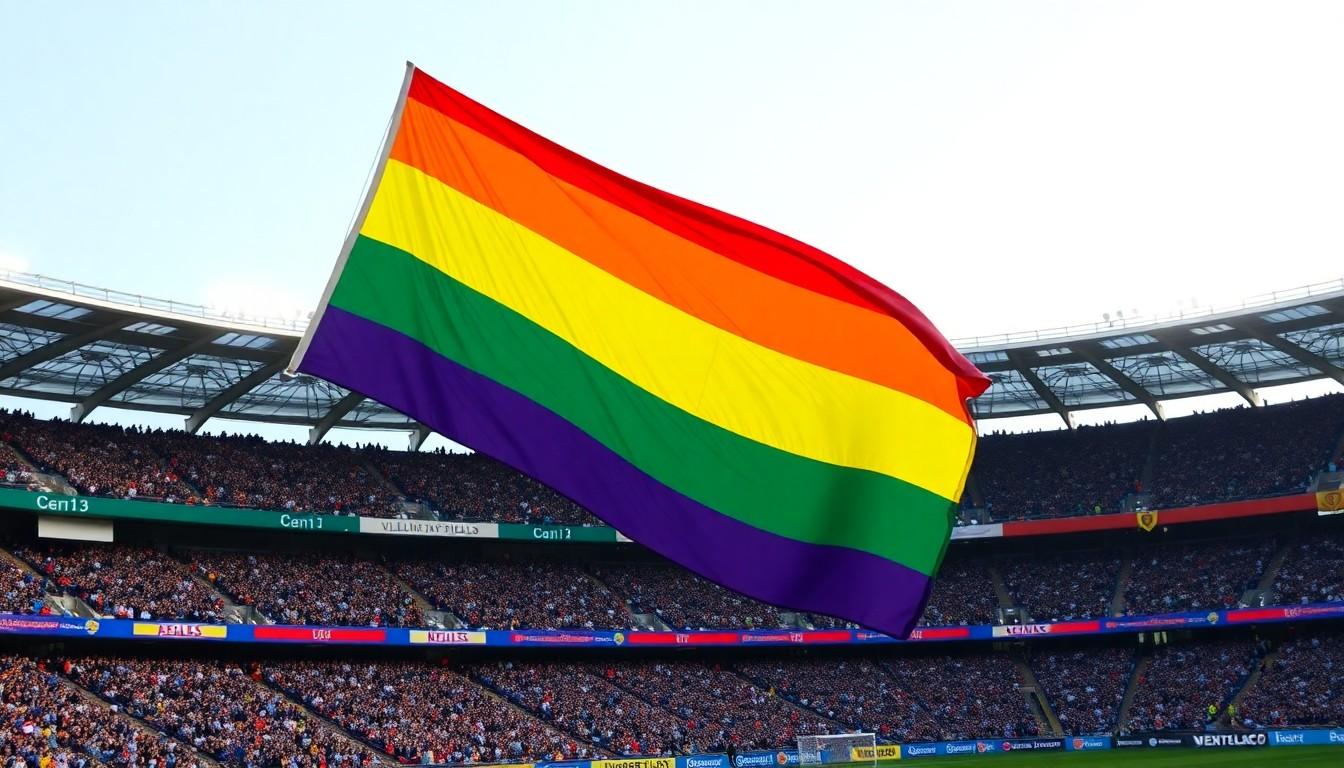
Shoppers and fans turned Lumen Field into an unexpectedly colourful front line , Seattle locals waved big Pride flags during Iran vs Egypt, organisers called it a “Pride Match,” and FIFA’s decision to allow rainbow banners exposed a clash between local celebration and national sensibilities that matters far beyond one game.
Essential Takeaways
- FIFA ruling: Rainbow flags were permitted under the World Cup stadium code of conduct, so long as they follow fan-safety rules and aren’t used to incite disorder.
- Teams objected: Iran lodged a formal complaint, saying such displays conflict with cultural and religious norms; Egypt’s stance echoed similar sensitivities.
- Local action: Seattle organisers promoted the fixture as a “Pride Match,” and sizeable Pride flags were visible inside Lumen Field on match day.
- Atmosphere: The scene felt both celebratory and tense , colourful banners and cheering fans alongside an undercurrent of diplomatic friction.
Why FIFA said yes to rainbow flags , and what that means
FIFA was clear: the 2026 World Cup is an inclusive event and general human-rights statements, including rainbow flags, are allowed inside stadiums as long as they comply with the stadium code of conduct. That guidance comes from FIFA’s fan-safety rules, which try to balance freedom of expression with maintaining order. According to FIFA’s published rules, flags representing sexual orientation and gender identity are permitted when used responsibly, and matchday security teams can intervene only if behaviour crosses into provocation or disruption.
This practical stance means host cities and fans can show support without automatic censorship, but the policy also leaves room for local interpretation. Expect more debates as the tournament moves across venues where cultural norms differ , it’s a framework, not a one-size-fits-all guarantee.
How local organisers in Seattle set the scene
Seattle organisers marketed the Iran vs Egypt fixture as a “Pride Match,” a move that was deliberately visible and aimed at celebrating LGBTQ+ fans. On match day, large rainbow flags were laid out and waved in the stands, creating an upbeat, colourful vibe that many supporters appreciated. The choice to be overt about Pride brought local identity into the stadium , Seattle’s civic culture tends to be loudly inclusive, and fans showed up to match that mood.
But being explicit about Pride at an international match also nudged the envelope: when a community flag becomes part of an international spectacle it can create diplomatic pushback, as happened here. For event planners elsewhere, a simple tip: check the governing body’s code first, and communicate clearly with security and organisers to avoid last-minute rows.
The teams’ complaint and the diplomatic undercurrent
Iran’s football federation formally complained to FIFA, arguing that ceremonies promoting the LGBT movement shouldn’t be present inside the stadium or part of the match environment. A team spokesman framed the objection as rooted in shared cultural and religious values between the participating nations. Egypt’s team expressed similar concerns, underscoring how national delegations sometimes see stadium presentation as part of the match conditions.
This episode reminds us that international sport isn’t just about goals and tactics; it’s also a stage for cultural and political expression. When teams raise formal objections, organisers and governing bodies must weigh the rights of fans against the potential for offence or escalation , a tricky balancing act in any major tournament.
What fans and hosts can learn , practical tips for future matches
If you’re organising, attending, or staging fan activities at international fixtures, a few commonsense steps help keep things smooth. First, review the tournament’s stadium code of conduct and coordinate with host venue staff early; FIFA’s fan-safety pages outline permitted displays and behaviours. Second, be mindful of scale and placement , small flags and supportive banners are less likely to provoke than large, staged activations. Third, prepare de-escalation plans: trained stewards who understand cultural sensitivities can spot and defuse tensions before they flare.
For fans, remember your presence is part of the atmosphere. Wave your colours, but avoid using banners as a provocation. It keeps the focus on the match and the shared joy of being there.
What this episode signals for the rest of the World Cup
Seattle’s dust-up is likely an early example of friction ahead of a sprawling, multi-country tournament. As games move to different cities and different fan cultures, expect more moments where local pride and international norms collide. FIFA’s approach so far suggests they’ll favour inclusion within safety limits, but that doesn’t end the conversation , it just shifts where the debate happens: local stadia, diplomatic channels, and media coverage.
Ultimately, sport remains a mirror of society. That can be messy, colourful, and sometimes contentious, but it’s also the reason people keep turning up to stadia , to feel part of something bigger.
It’s a small change that can make every cheer and banner safer, and the tournament better for everyone.
Source Reference Map
Story idea inspired by: [1]
Sources by paragraph: