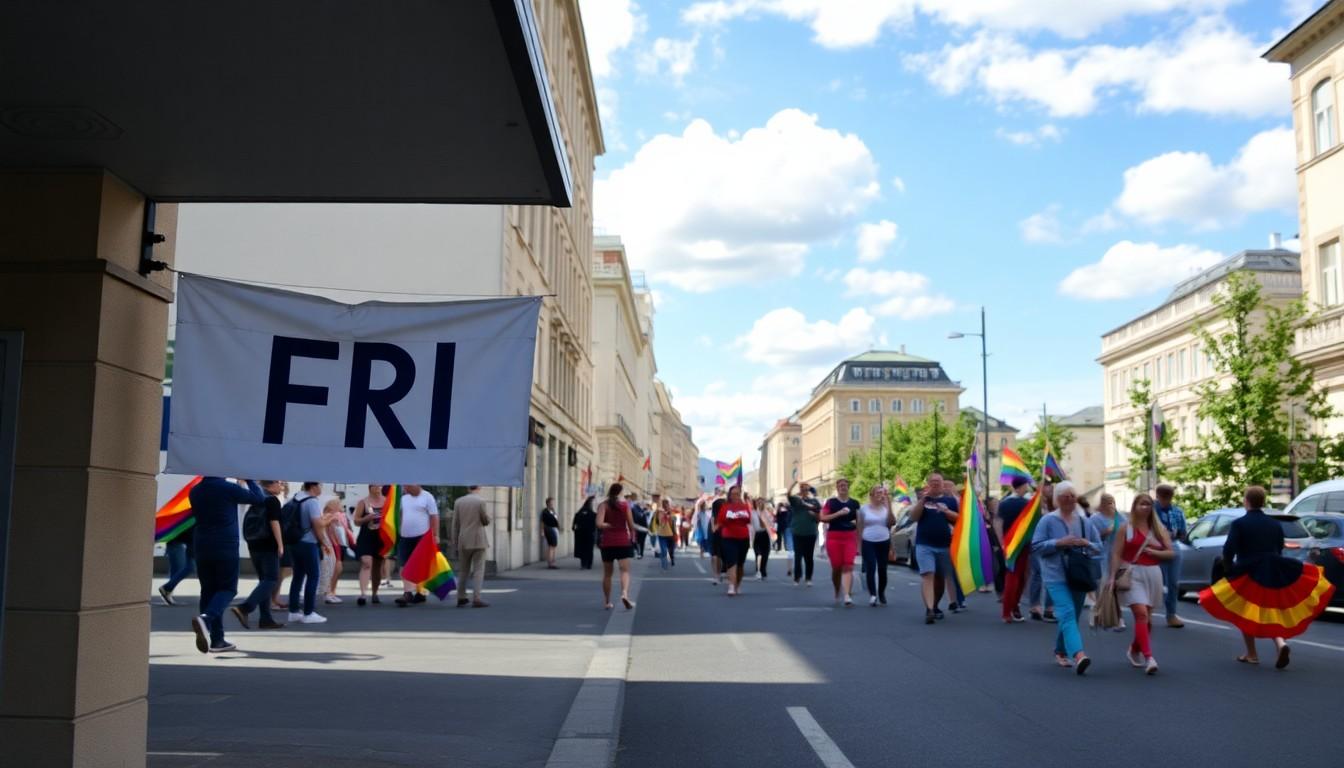
Note the history: Pride grew from resistance into celebration, and it's not owned by any single group. From Stonewall's raw defiance to today's local parades, Pride matters because it turns invisibility into visibility , a necessary act for rights, safety and belonging.
Essential Takeaways
- Origin story: Stonewall's 1969 uprising in New York is widely regarded as the spark of the modern LGBTQ+ rights movement, driven by people with the most to lose.
- Flag and symbol: The rainbow flag, created by Gilbert Baker in 1978, is a shared emblem of diversity , no single organisation holds its copyright.
- Local roots: Norway's first Pride march happened in Oslo in 1974; local groups and national organisations both play roles in events.
- Ongoing struggle: Legal wins didn't end the fight , discrimination, access to care and hostile public views remain urgent issues.
- Open invitation: Pride is a public, democratic space; everyone is welcome to march, wave flags and show support.
Stonewall started something raw and loud
The strongest fact is simple: Stonewall in June 1969 wasn't a planned celebration, it was a spontaneous uprising against constant harassment and criminalisation. National Geographic and the National Park Service describe it as the ignition point for a broader modern movement, and you can almost hear the urgency in those early accounts. People who were most marginalised , including trans folks and homeless youth from diverse backgrounds , led the charge, because they had the least to lose. That origin matters: Pride's roots are in defiance, not branding, and the emotion is still there when communities gather.
A flag, not a trademark , the rainbow belongs to the movement
Gilbert Baker stitched the rainbow flag in 1978 at Harvey Milk's encouragement, and it rapidly became the shared symbol of LGBTQ+ pride. The flag's history shows how visual symbols can travel faster than institutions; no single organisation can claim exclusive ownership. That matters now because disputes sometimes crop up about who "runs" Pride. The historical record, as recorded by multiple histories, underlines that the flag and the idea of Pride are communal assets , cheerful, visible and intentionally public.
Local Pride grew from international moments
The first known Norwegian Pride events trace back to the 1970s, with Oslo hosting early marches in the wake of international momentum. Local histories show how these events adapt: some Prides are organised by national groups, others by municipal or grassroots teams. That mix is a strength, since different organisers bring different priorities , protest, celebration, family-friendly programming or political lobbying. If you're deciding which parade to join, check who organises it and what their focus is; some marches lean heavily on protest and rights, others on community festival vibes.
Rights won, but the work continues
Legal changes , decriminalisation, civil partnerships, marriage equality , have been important milestones, but they didn't end exclusion or violence. Reports from health services and human-rights groups show gaps remain, particularly in access to competent care for trans people and in public attitudes. Amnesty polling in Norway, for instance, highlights that many people still resist teaching children about gender identity. Those uncomfortable numbers explain why organisations keep marching: Pride is still a political act as much as it is a party.
Why organisations like FRI still matter , and why Pride is for everyone
National and local LGBTQ+ organisations have been campaigning for decades and often coordinate events, provide services and lobby for policy change. But no one organisation can or should "own" Pride. The movement is sustained by activists, volunteers, parents, allies and people simply showing up. Inviting civic leaders, schools and media to walk alongside campaigners makes a statement: inclusion is a public concern. If you want to support, show up visibly, listen to community voices and be prepared for the fact that Pride mixes joy with protest.
It's a simple truth: Pride's history is messy, powerful and shared , and that's exactly why it's worth joining.
Source Reference Map
Story idea inspired by: [1]
Sources by paragraph: