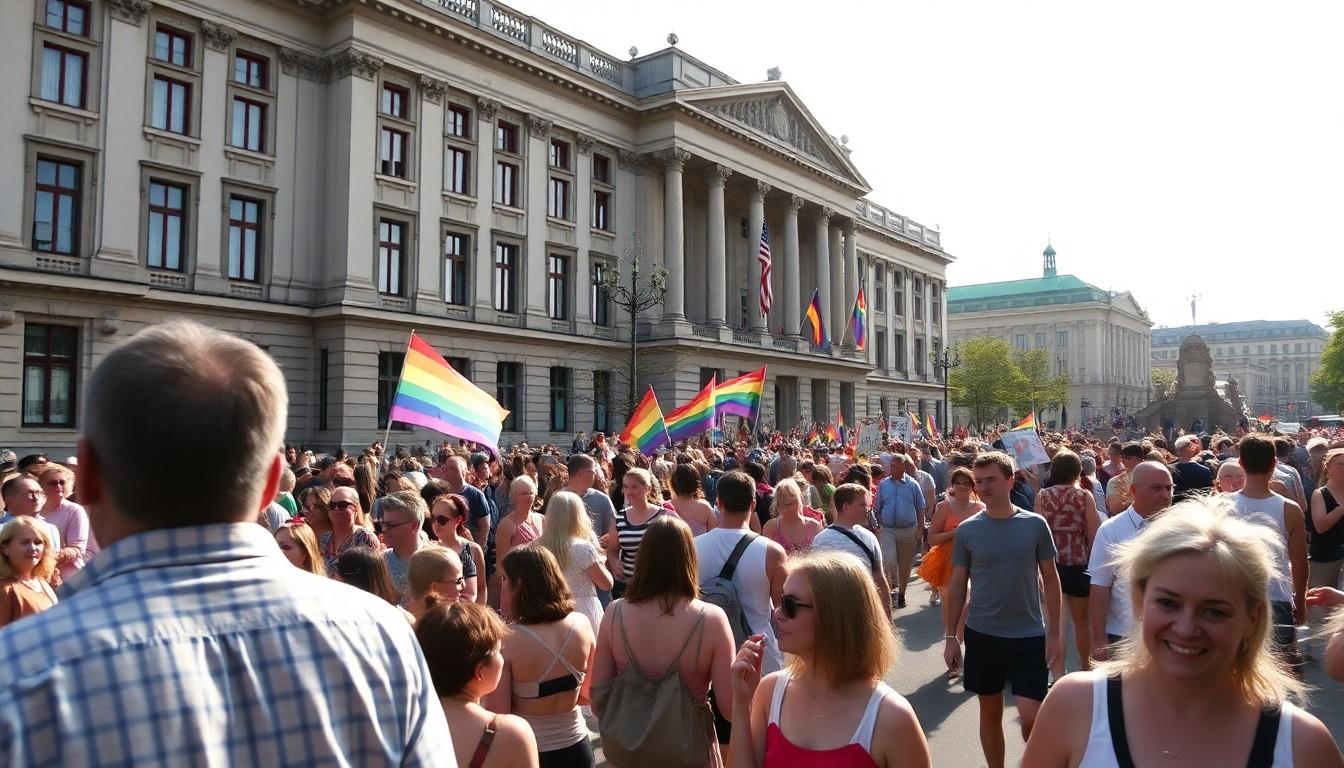
Celebrate the colour, the crowd and the cause , Oslo Pride’s parade has become a major civic moment, drawing hundreds of thousands to mark freedom and love, and reminding the city why visibility still matters.
Essential Takeaways
- Mass turnout: Oslo police estimated up to 100,000 people at the parade, a new record and a loudly visible show of support.
- Broad participation: The event mixes LGBTQ+ communities with thousands of heterosexual allies, creating a festive, inclusive atmosphere.
- Safety note: Security agencies report no concrete attack plans, but organised vigilance and visible policing kept many feeling safer.
- Ongoing debate: Some critics call for quieter, reflective approaches to Pride; supporters say public celebration is vital for rights and recognition.
- Leadership change: New Oslo Pride leadership signals continuity and renewed focus on outreach and civic dialogue.
Big, bright and here to stay , the parade that rivals national days
Oslo Pride in June 2026 looked and felt like a citywide party, with a parade that organisers and police say drew an unprecedented crowd. The scale has surprised even long-time attendees, with banners, music and a steady, warm hum of human voices creating an undeniably joyful noise. Aftenposten framed the march as a national affirmation of freedom and love, and for many it's now as much a civic ritual as any flag day. If you were there, you left smelling street food and rainbow paint, and carrying the sense that something important had been publicly affirmed.
Why so many people turn up , solidarity, celebration and visibility
This isn’t just about spectacle; the turnout reflects a wider willingness among the general public to stand visibly with LGBTQ+ communities. Thousands of heterosexual allies joined the march, turning an event rooted in protest into a broad civic embrace. For many participants, visibility still matters: public presence reduces stigma, makes rights tangible and reassures younger people they're not alone. Organisers say that mixing protest history with party atmosphere helps keep the message alive without losing momentum.
Safety and calm: police and security in the spotlight
Officials were clear that they had no specific intelligence suggesting planned attacks on Pride events, and that visible security measures aimed to prevent incidents while keeping the celebration accessible. That pragmatic approach , a calm, prepared presence rather than a fortress , seems to have helped most people relax and enjoy the day. Still, organisers and attendees keep a wary eye on the wider political climate, because public gatherings can become flashpoints elsewhere. The balance between openness and protection is one Pride will keep refining.
Dissent and dialogue: the debate over Pride’s place in public life
There’s a steady stream of commentary about Pride’s prominence; some critics argue the event has grown too large or too commercial, calling for retreats to quieter forms of advocacy. Others worry that an increasingly festive tone might dilute the movement’s radical roots. Yet supporters, including editors at national outlets, respond that celebration is itself political: it’s a visible claim to belonging and a joyful rebuke to exclusion. This conversation matters, because how a society marks diversity tells you a lot about its health.
New leadership, fresh focus: what comes next for Oslo Pride
With a change in leadership announced recently, organisers say they’ll keep the big parade but also expand year-round outreach and civic programmes. That mix , headline-grabbing events and quieter community work , could strengthen Pride’s role in education, support services and local politics. Expect more partnerships with schools, workplaces and neighbourhood groups, and an emphasis on making Pride feel relevant beyond a single weekend. For many, the aim is simple: keep pride visible, practical and connected to everyday life.
It's a small change that can make every celebration mean more.
Source Reference Map
Story idea inspired by: [1]
Sources by paragraph: