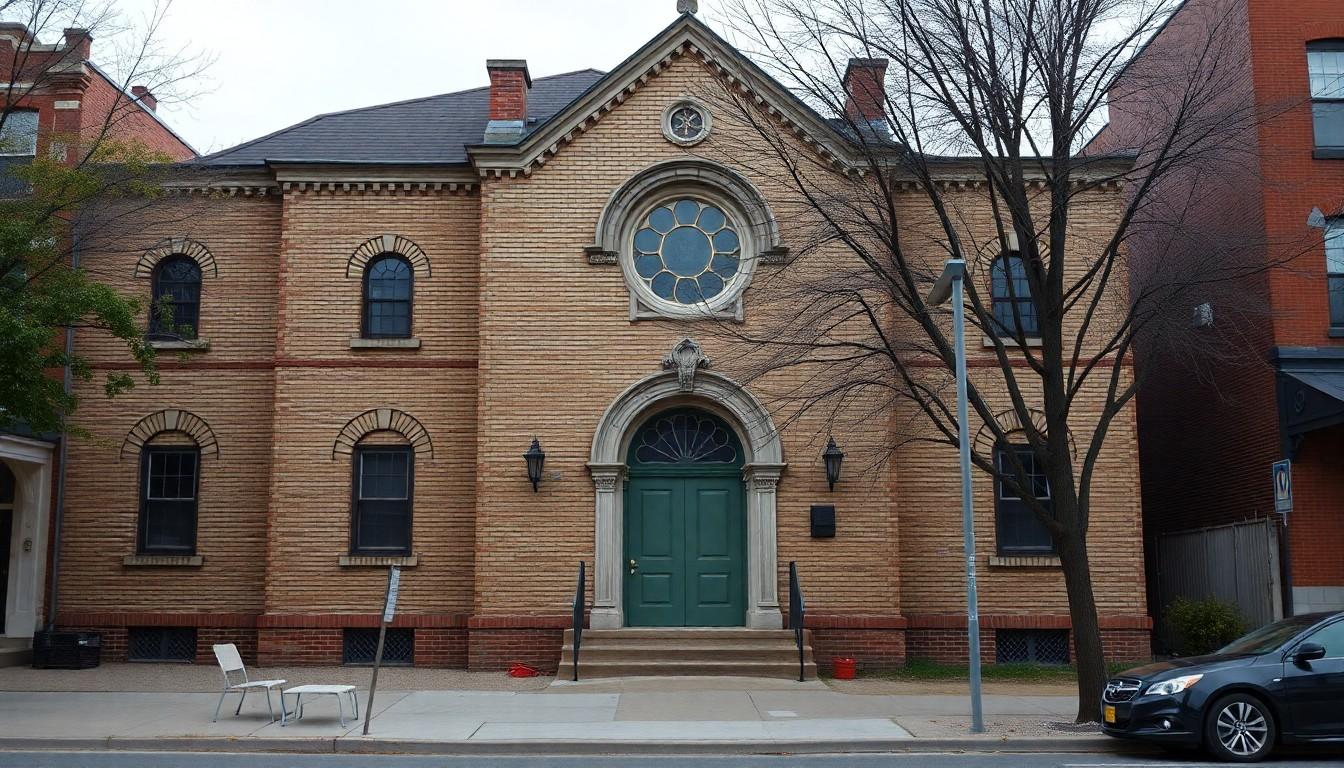
Shoppers and neighbours are noticing a quiet shift: same-sex couples are choosing to stay, work and raise families on Chicago’s Far Southeast Side. This report looks at who’s moving back, why affordable housing and community ties matter, and how local businesses and services are responding to a growing, visible queer presence.
Essential Takeaways
- Significant growth: Census and local analysis show same-sex households have more than doubled in the Far Southeast Side cluster since 2005.
- Affordable appeal: Low housing costs and proximity to lakefront amenities draw couples away from pricier North Side gayborhoods.
- Community hubs emerging: New and historic venues, from Jeffery Pub to Hegewisch Nutrition, serve as social anchors and organisers.
- Services following residents: Clinics, housing supports and queer-led festivals are expanding into South Shore and neighbouring areas.
- Culture over caution: Many couples return to reclaim hometown ties while also building safer, more visible queer lives.
Why affordable streets are becoming queer streets
The clearest reason people give is simple: housing prices. The Far Southeast Side’s mix of modest houses and older apartments keeps the cost of living well below the North Side’s lakefront enclaves, so couples who might have once been priced out can actually afford to buy a home and open a business. According to recent census analyses, same-sex households in this cluster have surged over the past two decades, a trend mirrored in national census reports showing geographic shifts in same-sex couple households. For couples balancing careers, family and community ties, that price gap isn’t academic , it’s life changing.
Chicago’s reputation as a refuge for people fleeing anti-LGBTQ+ policies elsewhere also helps explain the growth. Activists and service providers say that newcomers are attracted by the city’s legal protections and by existing Black and Latino queer networks that quietly persisted for generations. The result is that affordability meets belonging, which is a powerful magnet.
From secret histories to visible hubs: the South Shore story
South Shore has a queer history that many residents only recently started talking about out loud. Long before the term “gayborhood” captured headlines, Black queer life thrived in pockets like South Shore, with venues such as the Jeffery Pub offering gathering places and Jackson Park serving as a discreet meetup spot. Local historians and activists point out that queer communities weren’t absent , they were often intentionally hidden for safety.
Now that history is surfacing alongside new businesses and cultural projects. Community clinics and archives are opening or expanding, and local leaders are centring queer experiences within broader neighbourhood stories. That matters because visibility leads to services: when people feel seen, providers follow.
Small businesses are the social glue , and they’re getting bolder
Hegewisch Nutrition’s owner is a neat example of how entrepreneurship can reframe a town’s social life. What started as a smoothie shop in an old movie theatre turned into a multi-use community space hosting everything from council meetings to drag brunches. Other entrepreneurs are doing the same: cafés, salons and creative spaces are leaning into queer-friendly programming to broaden who feels welcome.
Opening such venues isn’t risk-free; owners report some backlash. But most find the community response overwhelmingly positive, and the presence of police outreach or city recognition at Pride events helps normalise these gatherings. If you’re thinking of starting a small business in a neighbourhood like this, plan for mixed feedback, build partnerships with local organisations, and use events to introduce your space slowly and intentionally.
Services are following population, not the other way round
Healthcare and housing supports that address the specific needs of LGBTQ+ residents are no longer confined to the North Side. Clinics tailored to whole-person care and organisations offering temporary housing for homeless youth are expanding into South Shore and nearby areas. Leaders argue this shift reduces travel barriers and helps close longstanding health disparities.
For residents, proximity to culturally competent care means everything , routine screenings, hormone therapy, or even cancer checks without the added stress of long trips. If you’re using these services, call ahead about privacy protocols and sliding-scale fees. For funders and policymakers, the lesson is clear: invest where people live, not just where they previously congregated.
Pride at home: how local festivals and activism change the script
Where coming out once meant leaving town, younger activists are changing the narrative by staging local Pride events, runs and street fairs. Southeast Side Pride, which began as a small community effort, now draws families and longtime residents who want to celebrate without travelling across the city. These events are as much about reclamation as celebration , making room for cultures and languages that previously didn’t fit the stereotypical “gayborhood” image.
Organisers say these gatherings accomplish two things: they let queer people live openly near their families, and they clue in long-time neighbours that being queer is part of the area’s present as well as its past. Expect these local festivals to keep growing , and bringing businesses, elected officials and faith groups into awkward but necessary conversations.
Closing line
It’s a small but steady revolution: couples choosing home over exile, communities learning to hold more people, and neighbourhoods quietly remaking themselves.
Source Reference Map
Story idea inspired by: [1]
Sources by paragraph: