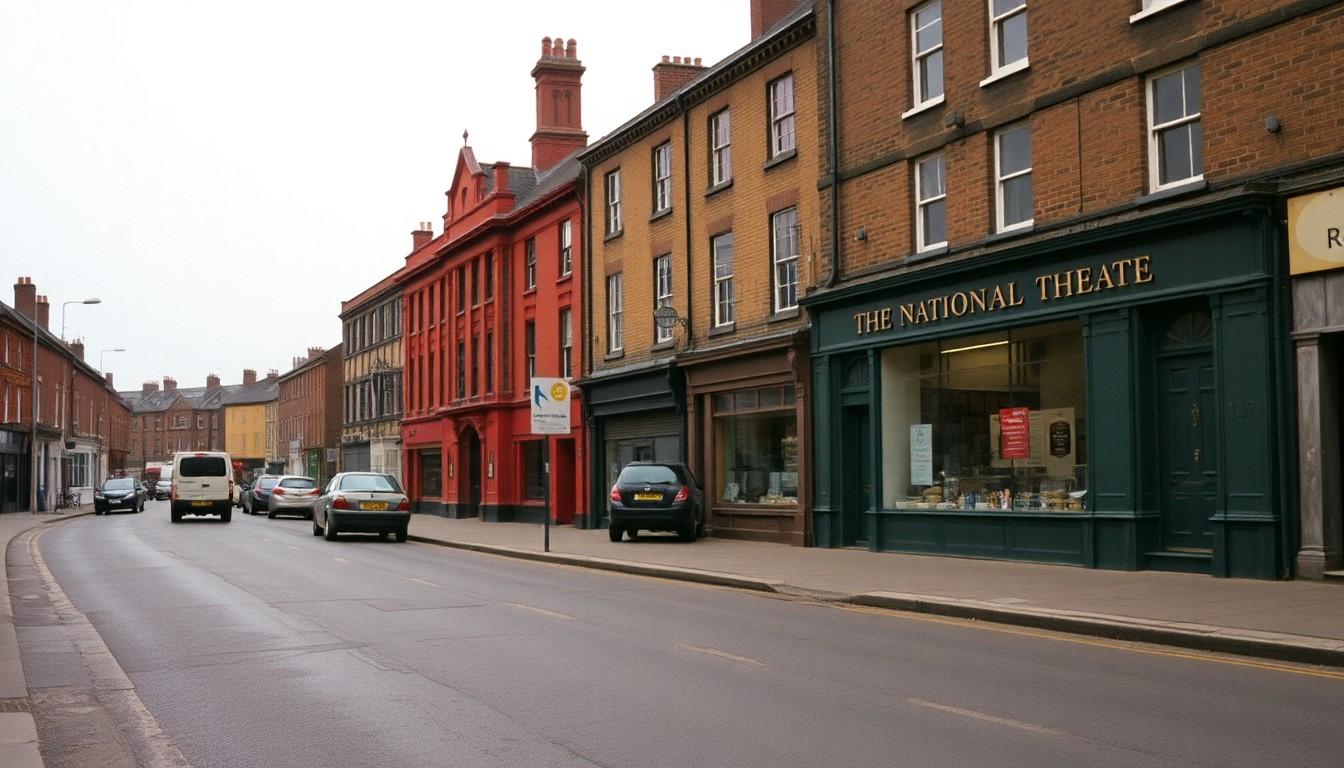
Shoppers are flocking to the National Theatre to see Pride, a bright, musical retelling of the 1984 alliance between Lesbians and Gays Support the Miners and striking Welsh mining communities, and it matters because its message of solidarity feels urgently hopeful amid today’s politics of division.
Essential Takeaways
- Big-hearted staging: Bunny Christie’s adaptable scaffold set and Hugh Vanstone’s lighting create a tactile, changeable world that feels both gritty and celebratory.
- Standout performances: Samuel Barnett’s disco-fuelled Jonathan and Jhon Lumsden’s Mark give the show emotional teeth and charm.
- Songs that land: A mix of anthemic numbers and intimate ballads , from “You Stood By Me” to “You Might As Well Live” , power the narrative with warmth and verve.
- Tone and truth: The musical softens some historical rough edges, prioritising an uplifting, communal finish over a fully raw retelling.
- Practical note: Expect strong ensemble singing, an onstage band, and moments that will make you laugh and cry in equal measure.
A feel-good opener that still packs an emotional punch
The show grabs you straight away with buoyant music and a set that clicks and creaks with a lived-in, working-class texture. You can almost smell the chips and the lager in the welfare club; the production balances humour and tenderness so well that the audience are laughing one minute and wiping their eyes the next. According to critics, that balance is the musical’s greatest trick , it keeps the political heart beating while letting the songs do the heavy lifting.
How the story gets smoothed for a musical audience
This version trims some of the thornier history around LGSM and the miners’ struggle, trading complex political detail for clearer emotional beats. That airbrushing isn’t accidental: musicals often need a through-line you can sing along to, and director Matthew Warchus and writer Stephen Beresford lean into narrative clarity. If you’re looking for a documentary-level accounting, supplementary reading on LGSM’s real history will fill in the gaps, but the stage show chooses uplift over exhaustive nuance.
Performances that make the politics personal
Samuel Barnett’s Jonathan is a revelation , his disco number in the second half moves from quiet melancholy to full-on razzle-dazzle, and it’s the kind of theatrical moment that stays with you. Jhon Lumsden’s Mark provides the ideological spark with a charismatic edge, while the ensemble gives the production a sturdy, communal feel. Critics note that these performances turn a political tale into something intimate, reminding you that solidarity is built of small, human acts.
Music and design: why the show looks and sounds like a celebration
Christopher Nightingale, Josh Cohen and DJ Walde supply songs that vary in style but cohere as anthems for togetherness; the onstage band under Jo Cichonska keeps the sound immediate and warm. Bunny Christie’s scaffolding set, lit like a living diorama, shifts mood with quick costume and prop changes, making scene transitions feel like musical breaths. If you adore a slick, energetic production that still smells faintly of the real world, this one delivers.
What it means now: solidarity as theatre and as argument
Pride lands at a moment when stories about alliances across difference feel particularly resonant. The musical’s insistence that people can overcome prejudice and stand together is both theatrical medicine and a civic nudge. Expect the show to prompt conversations , about history, about how we tell it, and about what we lose when we smoothe injustice out of the narrative. It’s a reminder that theatre can be both balm and provocation.
It's a small change that can make every cheer in the auditorium feel like part of something bigger.
Source Reference Map
Story idea inspired by: [1]
Sources by paragraph: