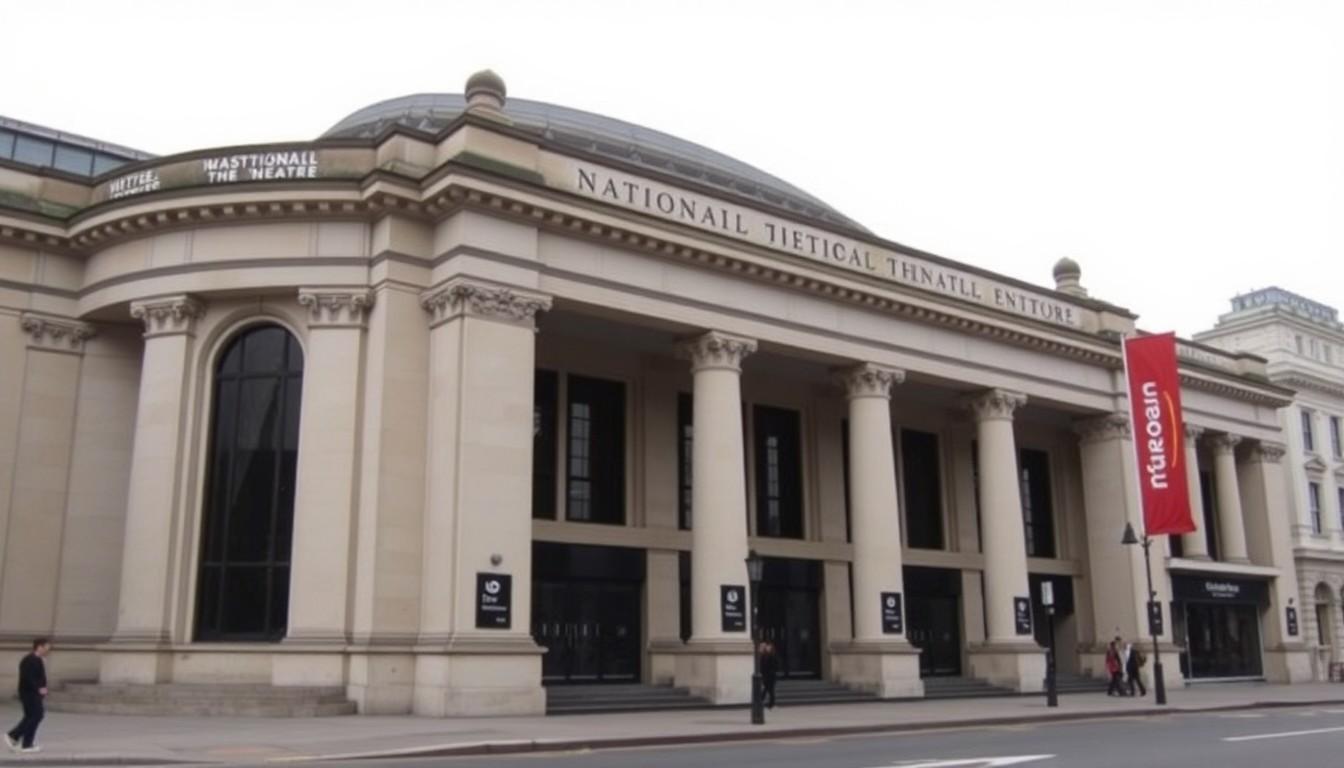
Shoppers are turning back to stories of solidarity as Pride, the new musical at the National Theatre, reminds London audiences why community action matters; vivid songs, a Welsh choir’s swell, and a fierce, funny cast bring the 1984 miners’ strike and Lesbians and Gays Support the Miners to life , and it’s deeply moving.
Essential Takeaways
- Bold staging: Bunny Christie’s set and period costumes create a gritty, industrial 1980s feel that sells the story instantly.
- Standout songs: The second act, led by “You Stood by Me”, blends protest anthems with Welsh choral warmth and lands emotionally.
- Strong ensemble: Jhon Lumsden’s Mark and Samuel Barnett’s Jonathan provide passion and flair, supported by a grounded village cast.
- Tone balance: The show trims darker film scenes to favour celebration, but still pauses to honour AIDS victims , it’s joyful and mournful in turn.
- Practical watch: If you want history with heart, go for later shows when the ensemble chemistry is fully settled; it’s worth seeking a performance with strong crowd energy.
Opening hook: A rallying cry that still stirs the throat
From the instant pre-show slideshow and era-ticking soundtrack set the scene, Pride pulls you into 1984 with a tactile rush , the smell of smoke, the metallic clank of industry and picket-line determination. The musical, arriving at the National after a Cardiff premiere, revels in texture: chapel hymns, community humour, and protest songs that get under your skin. According to coverage of the production, the creative team leans into emotional pay-offs, especially in Act Two, where the choir and anthems meet in full throat.
How the story is shaped for the stage
The book and lyrics by Stephen Beresford and music by Christopher Nightingale and collaborators distil the true story of LGSM into theatrical essentials. The show takes liberties , some characters are fictionalised or compressed , but that’s a deliberate choice to keep momentum and warmth. Critics have noticed the musical downplays the film’s darker beats in favour of communal jubilation, while still making space to mourn those lost to AIDS. For audiences, that shaping means a night that’s both celebratory and thoughtful rather than strictly documentary.
Performances that swing between laugh-out-loud and tearful
The cast leans into contrast. Jhon Lumsden gives righteous fire as the young activist, Matthew Durkan grounds the group, and Samuel Barnett offers virtuosic showmanship in his moments of fantasy. The Welsh village ensemble , including sensitive turns from Matthew Woodyatt and a crack quartet of women , bring warmth and comic clout, especially in the fish-out-of-water gay-club visit. Reviews and casting notes point out that different nights bring out new highlights, so there’s a freshness to the run that feels alive.
Design, choreography and that communal sound
Bunny Christie’s suggestive industrial design and Lizzi Gee’s choreography work hand in glove with Hugh Vanstone’s lighting and robust sound to create a musical that looks, moves and hits hard. The production’s wigs, period hair and sharp costumes give it a polished, lived-in quality. Technically, it’s a show built to support the songs , which matters, because the music is where the politics and the people meet most successfully.
Why Pride resonates now , and what to look for when you book
Pride lands at a moment when online shaming and polarised public argument can still isolate communities, so its message of cross-class and cross-community solidarity feels freshly relevant. Critics from national papers have argued the show reminds audiences how alliances are made through compassion and action. If you’re choosing a performance, aim for a midweek evening for a slightly calmer crowd or a Saturday for maximum communal energy; either way, expect laughter and tears in roughly equal measure.
It's a small change that can make every show feel like an act of solidarity.
Source Reference Map
Story idea inspired by: [1]
Sources by paragraph: