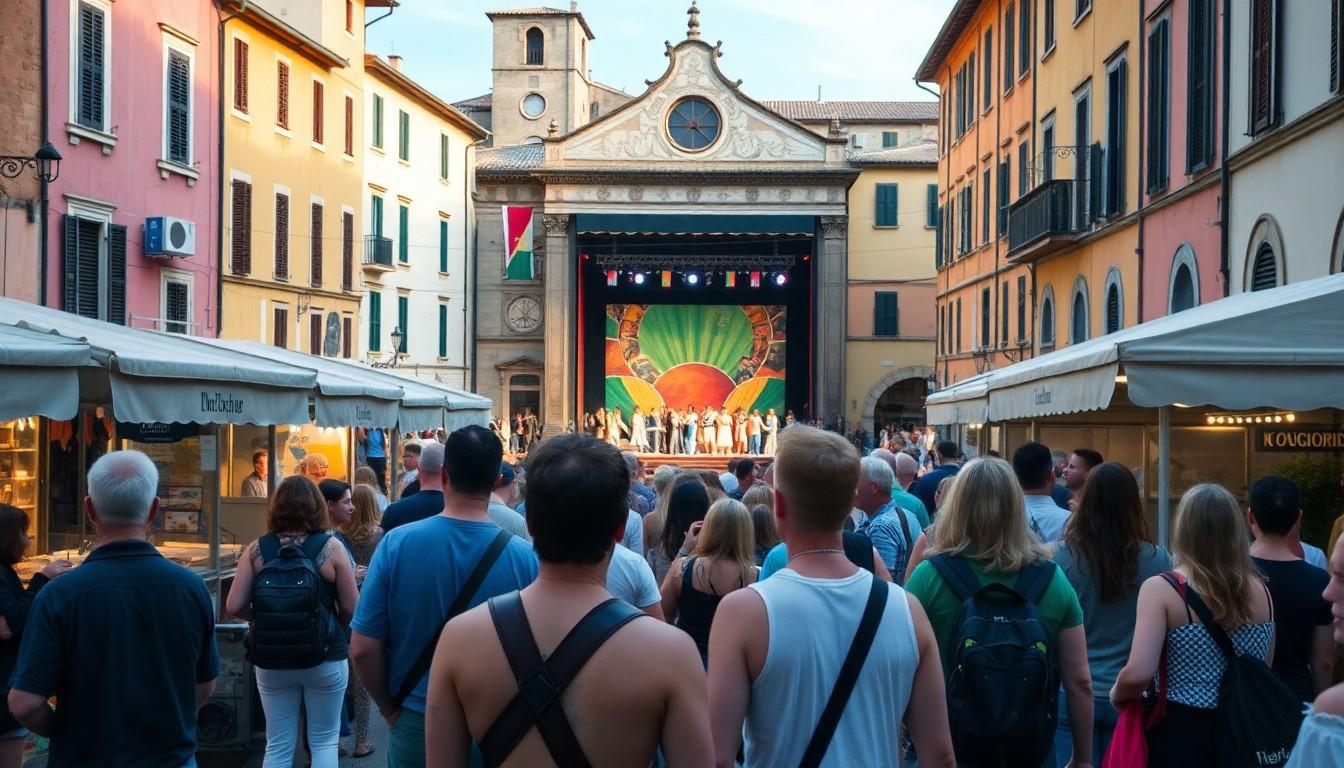
Watching rainbow flags spill beyond capitals, Italians in small towns and islands are making Pride a local, political and emotional event; this roundup highlights where new first-time parades, resilient returns and island gatherings matter most , and why the province and isles are shaping LGBTQIA+ visibility in 2026.
Essential Takeaways
- Wider reach: Over sixty Pride events in 2026 include many first-time parades in small towns and provinces, bringing visibility where queer scenes were sparse.
- Local impact: In tiny communities like Ostana and Villa Castelli, Pride combines celebration with community-building and slow cultural change.
- Political stakes: Organisers stress rights gaps , from hate-crime laws to family recognition , making marches both festive and political.
- Islands and itinerant events: Lipari, Favignana and Sardinia show Pride can knit together scattered communities with island-specific themes and networks.
- Resilience: Some Prides paused or changed format in 2026, but many used grassroots organising and independent funding to carry on.
Small towns are no longer sidelines , they’re frontlines of Pride
The clearest image from this season is flags unfurling in unexpected places, often with a surprised, warm hush from locals. In places with tiny populations, such as Ostana in the Piedmontese mountains, a weekend Pride draws far more visitors than residents and creates an oddly intimate, celebratory atmosphere. Organisers in these towns say patience and repeated presence matter: casual cups of coffee with older neighbours or public conversations with local shops can turn suspicion into curiosity, and curiosity into a welcome. For people who’ve felt invisible all year, that single parade can mean a new sense of belonging.
First-time parades: nervous energy and big gains
Where a Pride happens for the first time, the work is intense and often done on shoestring budgets. New committees have spent months building alliances, tapping volunteers and navigating hostile or ambivalent administrations. The debut events in towns such as Rovigo or Legnano were born out of a mix of fear and determination , organisers admit online threats and red tape, but also describe a sudden, tangible solidarity when neighbouring Arcigay chapters and activists turned up to bolster them. Practically, choosing a route, securing a venue and finding accessible transport are the biggest early hurdles; politically, making the first public claims for dignity can reshape a place’s conversation for years.
The islands: Pride as presence and survival
Islands bring their own flavour: logistical headaches, ferry timetables and the effort of linking several small communities, but also a deep reward. Island organisers talk about Pride as something more than a party , a lifeline for those who might otherwise never see other queer people. Lipari’s Eolie Pride and Favignana’s Egadi Pride lean into local culture and scenery while foregrounding themes such as bodily autonomy and visibility. The itinerant Sardinia Pride, stopping in Cagliari this year, is a reminder that island archipelagos can sustain a networked movement, where solidarity travels by sea as well as by land.
Bigger cities still matter , but the map is decentralising
Rome, Milan and other big-city Prides remain headline moments, packed with events and national attention, and they continue to set political frames for the movement. At the same time, a rising number of province-based events shows a shift: the national picture is now polycentric. This decentralisation means activists can push tailored messages , anti-bullying in school towns, health and trans care in provincial capitals, or family-recognition campaigns where local administrations are the immediate interlocutors. It’s a healthier ecosystem: national parades draw attention, while local Prides do the everyday work of creating safe spaces.
When Prides pause, activism adapts
Not every listed event appears each year; some Prides scale back, join neighbours, or go quiet while they regroup. That’s not necessarily failure. Crema folded into Cremona’s programme, while Alto Adige opted for dispersed initiatives this year. In other cases groups focused on social projects rather than a single march. The lesson from organisers is clear: sustainability matters more than spectacle. Independent funding, volunteer retention and ongoing community activities often predict whether a Pride returns stronger in future seasons.
Closing line It’s a small change with big consequences: when Pride stops being only a city event, living openly becomes a more realistic option for people across the map.
Source Reference Map
Story idea inspired by: [1]
Sources by paragraph: