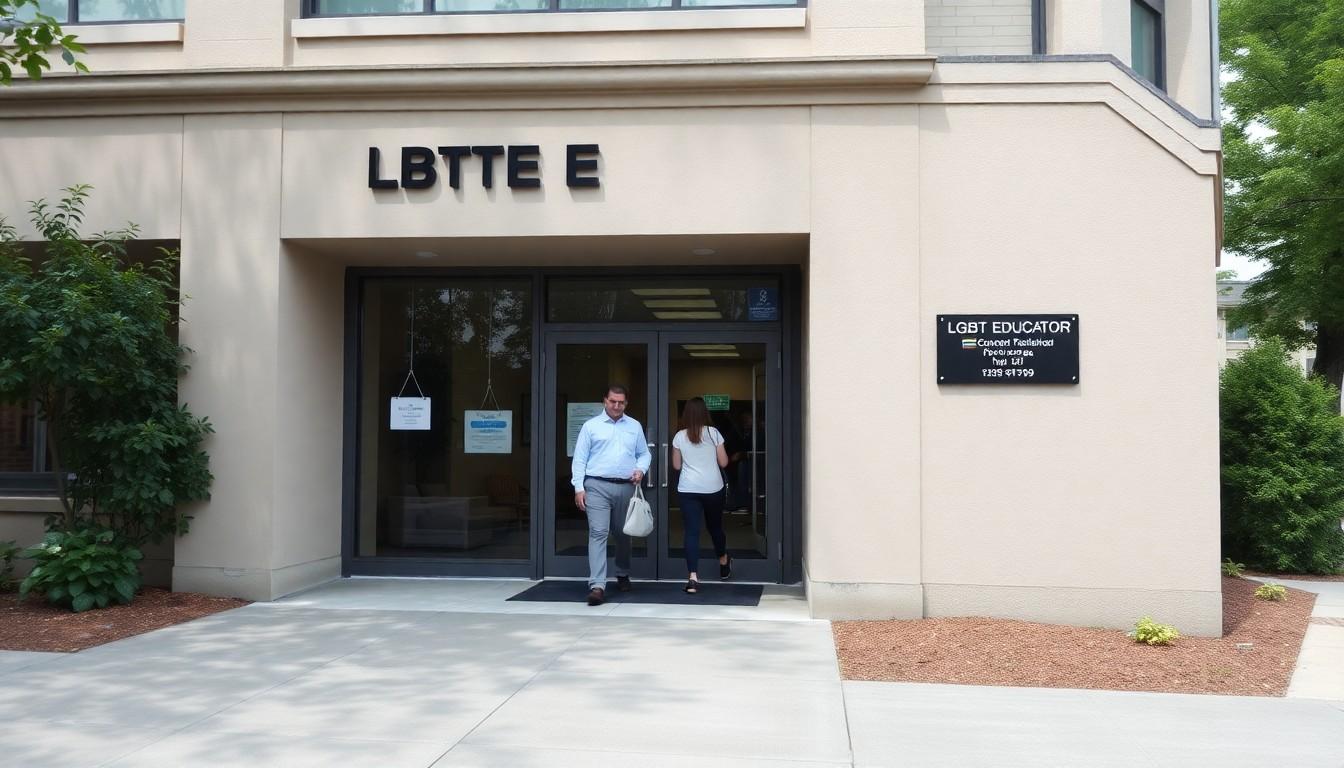
Shoppers are turning to newsfeeds, but workers are living it: transgender employees and advocates are reeling after the Equal Employment Opportunity Commission signalled it will not pursue discrimination claims , a shift born in Washington that reshapes how people seek redress and why it matters for everyday workplace rights.
Essential Takeaways
- Policy change: The EEOC has shifted under new leadership to stop pursuing transgender discrimination investigations, following a 2025 executive order recognising only two sexes.
- Practical effect: Complainants like Flint Del Sol are being issued right-to-sue letters, meaning individuals must file federal lawsuits within 90 days to seek relief.
- Emotional toll: Targets report feeling abandoned and exposed, with some saying the written confirmation of agency policy was a crushing, demoralising moment.
- Legal debate: Civil-rights lawyers argue the move conflicts with the Supreme Court’s Bostock ruling, but courts have so far treated the agency’s prioritisation as largely discretionary.
- Workplace reality: Teachers, healthcare workers and others who once relied on agency enforcement now face greater costs, longer fights, and increased risk when reporting harassment or threats.
What happened, in plain terms , and why it felt like a betrayal
Flint Del Sol, an educator who’d filed an EEOC complaint after threats, book removals and a bomb scare in his classroom, heard from an investigator that the agency would not continue transgender cases. He asked for confirmation and received it by email. That quiet, bureaucratic line , “we are not permitted to conduct/continue any investigation regarding transgender cases” , landed like a physical blow. For many, the shock wasn’t just the policy but the frankness of being told they will not be protected. According to reporting in The Advocate, Del Sol’s reaction mixed anger, numbness and a sense that a crucial safety net had been cut.
How we got here: executive orders, agency pivots and the legal backdrop
The turn began with a 2025 executive order from President Trump directing federal agencies to recognise only two sexes and purge “gender ideology” from policy. EEOC Chair Andrea Lucas moved quickly to comply , rescinding Biden-era guidance, dropping lawsuits, and routing gender-identity complaints to headquarters. The commission says this reflects fidelity to statutory text; critics point to Bostock v. Clayton County, the 2020 Supreme Court decision that linked Title VII protections to sexual orientation and gender identity. Lawyers and advocates call the EEOC’s stance a direct conflict with that precedent, but courts have largely been unwilling to second-guess agency enforcement priorities.
What the right-to-sue letter actually means for victims
When the EEOC refuses to investigate, complainants typically receive a right-to-sue notice , a document that lets them bring their own federal lawsuit but only within a narrow 90-day window. Legal experts warn that this shifts enforcement costs onto already vulnerable people: hiring counsel, gathering evidence, and risking lengthy litigation. Shannon Minter of the National Center for LGBTQ+ Rights told The Advocate that the EEOC’s change forces individuals to shoulder what the agency was created to handle, and Gregory Nevins of Lambda Legal described the policy as a categorical refusal that goes beyond acceptable prioritisation. Practically, many will be unable to meet the time, money and emotional demands of federal court.
What this looks like in schools, hospitals and workplaces today
Employees who once relied on the EEOC for investigations are now navigating workplace hostility alone. Del Sol’s case shows the real-world stakes: removed books, threats phoned into schools, and the kind of targeted harassment that can end careers. HR departments in hostile states or districts are already tweaking policies; some educators quietly bend rules to protect students, while others self-censor to keep jobs. For workers, the immediate questions are simple: who will document incidents, where will complaints go, and how do you secure legal help quickly? Community organisations and private firms are stepping in, but coverage is uneven.
What lawyers, judges and advocates say will come next
Legal challenges are already underway, with suits alleging that the EEOC’s “Trans Exclusion Policy” illegally abandons federal protections. So far, courts have often deferred to agency discretion, which is why advocates worry the judiciary won’t offer a quick fix. Even when private groups take up abandoned cases, they face resources limits. Observers expect more private litigation, more reliance on state laws where protections remain, and intensified lobbying for clearer statutory guardrails. For now, the trajectory looks like a patchwork: pockets of protection in some states and workplaces, exposed gaps in others.
How to protect yourself or support someone affected , practical steps
If you’re facing discrimination, start documenting everything: dates, messages, witnesses, and any threats. Ask for a right-to-sue notice if the EEOC closes your file, then contact civil-rights groups and unions immediately , many offer referral lists or pro bono help. Consider state-level agencies and ombuds services that may still investigate gender-identity claims. Employers should revisit harassment policies, train managers on inclusive practice, and create safe reporting channels. And for allies: donate to legal funds, amplify impacted workers’ stories, and press local representatives to codify workplace protections.
It's a small change that can make every complaint harder , and every ally more necessary.
Source Reference Map
Story idea inspired by: [1]
Sources by paragraph: