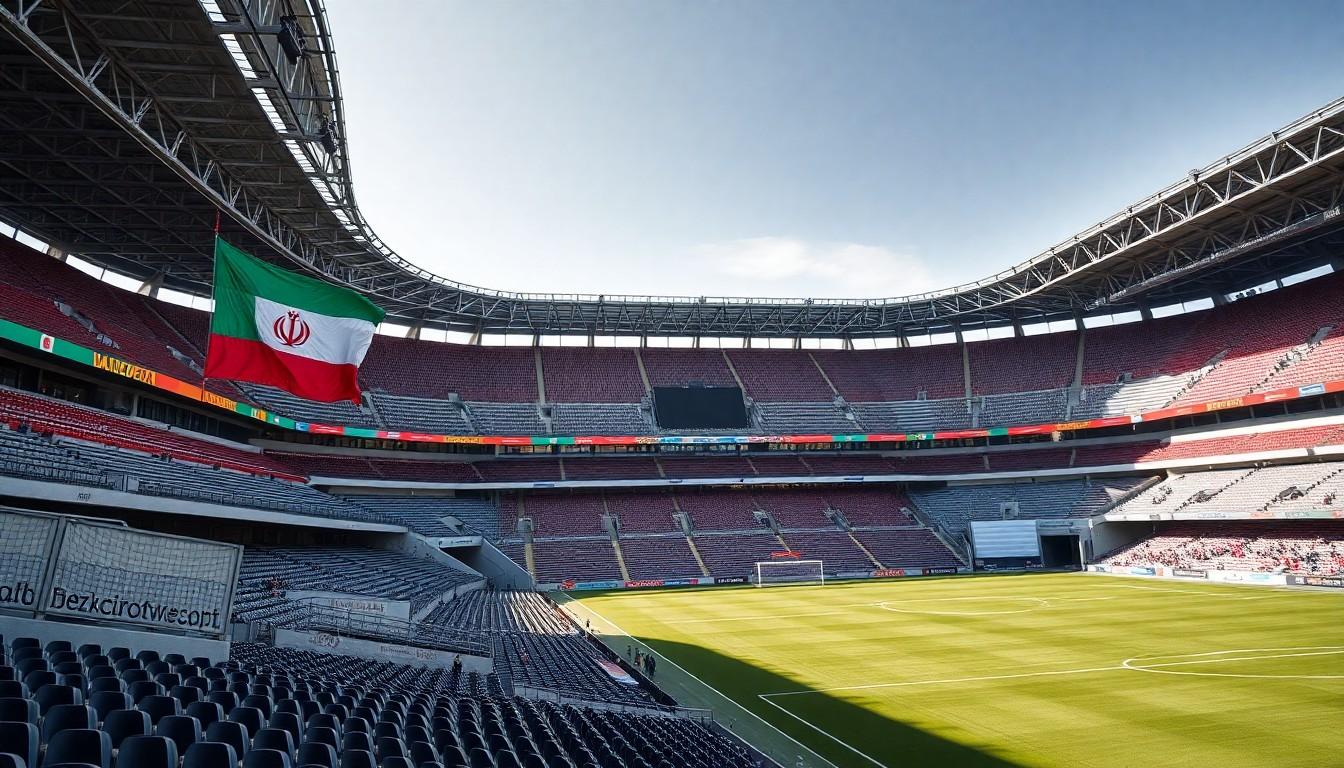
Shoppers are turning stadiums into statements , FIFA has confirmed rainbow flags will be permitted inside the stadium for the Egypt v Iran group game in Seattle, a move that matters because both teams come from countries where same-sex relations are criminalised and local Pride events have sparked objections.
Essential Takeaways
- FIFA stance: Rainbow flags and other flags representing sexual orientation and gender identity are permitted under the FIFA World Cup 2026 Stadium Code of Conduct.
- Local context: Seattle’s local organising committee dubbed the fixture a “Pride Match”; Pride events are city-run, not organised by FIFA.
- National objections: Egypt and Iran have publicly objected, citing cultural, religious and legal concerns.
- Human rights backdrop: Iran criminalises same-sex sexual activity and faces international scrutiny; the Seattle decision highlights broader tensions between hosting cities and participating nations.
- Practical effect: Fans may bring rainbow flags into the stadium, but FIFA stresses match activity and city events are separate.
What changed , flags allowed after a fraught history
FIFA has issued a clear line: the World Cup is an inclusive event and fans of all sexual orientations are welcome, so rainbow flags are permitted inside stadiums. That’s a notable shift from the row over the OneLove armbands at Qatar 2022, when FIFA threatened disciplinary action for what it deemed political messaging. The permitted flags are described as general statements of human rights, and supporters will be able to carry them into the Seattle venue.
Why Seattle calls it the “Pride Match” , and why that matters
Seattle’s local organising committee labelled the fixture the “Pride Match” well before the tournament draw, aiming to celebrate LGBTQ+ inclusion in a city known for visible Pride culture. But FIFA emphasises the distinction: the city’s events are external to the match itself. That split matters because it allows civic organisers to stage events without making FIFA the direct host, while FIFA can allow symbols inside stadiums without formally linking the match to Pride programming.
Objections from Egypt and Iran , diplomatic friction on show
Both football associations have made their discomfort known. Egypt pointed to cultural and religious values, and Iran warned against promotional activities connected to the movement inside the stadium. Those reactions reflect wider sensitivities: in Iran, same-sex acts carry severe legal penalties, and in Egypt legal and social attitudes are also restrictive. The row underlines how a single flag can become a diplomatic flashpoint at a global sporting event.
What human rights groups and advocates say
Human Rights Watch and other organisations welcomed FIFA’s allowance as a modest recognition of fans’ freedoms at the stadium, while noting the decision doesn’t change laws back home for players or supporters from those countries. For activists, the move is symbolic but meaningful: it gives visibility and a degree of protection to those who choose to express themselves at a high-profile match. Expect statements from NGOs and campaigners in the run-up to kick-off.
Practical tips for fans planning to attend or watch
If you’re heading to Seattle, bring a small flag and be mindful of stadium rules on poles and obstruction. If you’re a visiting supporter from a country with strict laws, think about personal safety and potential repercussions after you return home. For broadcasters and sponsors, the episode is a reminder to separate event messaging from local civic programming , and for neutral fans, it’s a chance to decide how visible you want to be in a politically charged atmosphere.
It's a small change that can make every spectator's voice a little louder.
Source Reference Map
Story idea inspired by: [1]
Sources by paragraph: