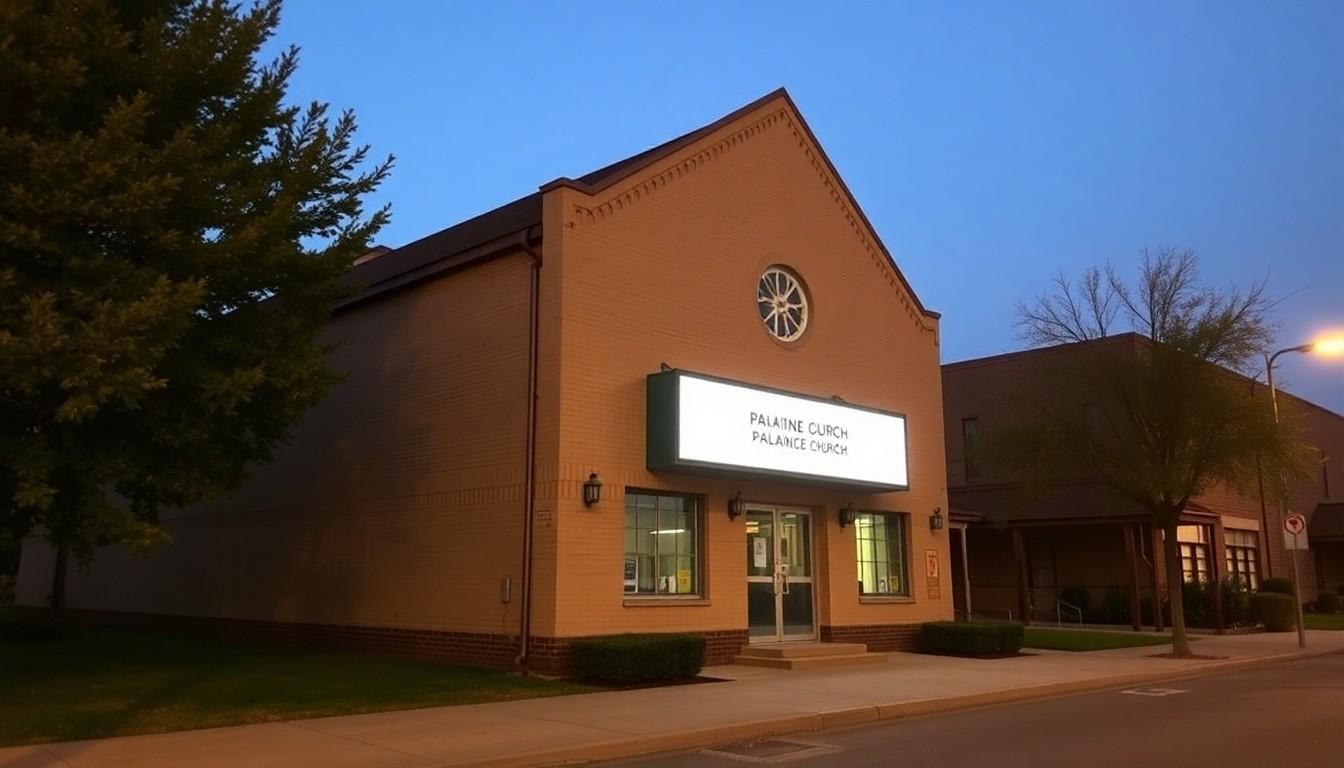
Shoppers and parade-goers noticed a tense scene in Palatine this weekend: dozens gathered outside New Hope Community Church to protest an electronic sign message ahead of Chicago-area Pride celebrations, highlighting local tensions about public messaging, community values and children’s exposure.
Essential Takeaways
- What happened: Dozens of protesters with rainbow flags rallied peacefully outside New Hope Community Church over an electronic sign message many found offensive.
- Where it matters: The church sits near a school and on a busy Palatine Road stretch, so locals worried about children seeing the sign.
- Church response: The pastor defended the message as religious expression tied to the season and invited dialogue rather than removing it.
- Local politics: The dispute follows broader Palatine debates , including a declined request to fly a Pride flag at City Hall under a village ordinance.
- Atmosphere: Organisers described the demo as peaceful and awareness-focused; church members observed nearby, creating a charged but civil tableau.
Why the sign became a flashpoint
The scene in Palatine felt visible and oddly suburban , colourful protest signs against a bright electronic church display. Protest organisers said they wanted to raise awareness about what they call harmful messaging, especially given the sign’s proximity to a school and regular traffic on Palatine Road. According to participants, the message on the sign , urging people to "ditch Pride" and "embrace humility" , felt exclusionary. Organisers framed the demonstration as a way to let neighbours know what the church preaches and to defend marginalised community members. The mood was firm but peaceful, with organisers and churchgoers keeping their distance.
How the church explained itself
The pastor of New Hope Community Church didn’t back down. He characterised the sign as religious expression that follows seasonal themes, noting June is Pride Month and that the messages reflect the congregation’s beliefs. He also welcomed protesters as an opportunity for conversation , a conciliatory line that nevertheless underlines the tension between free religious speech and community concerns. The pastor’s remark that he wished demonstrators would "come every day" suggested he sees the exchange as outreach rather than provocation.
Where this fits into wider Palatine debates
This protest isn’t isolated. The town has seen ongoing arguments over Pride displays , including a petition to fly a Pride flag at City Hall that officials declined, citing a village ordinance. So the sign controversy tapped into a broader local conversation about symbols, municipal rules and whose voices get priority in public life. Residents on both sides described practical concerns: some worried about children seeing messages they find hurtful; others argued the church has a right to display its beliefs. That clash of rights and sensitivities is playing out not just here, but in suburbs across the region as Pride events return to city streets.
What organisers and critics say about tactics and tone
Protest leaders emphasised that their demonstration was peaceful and intended to inform neighbours rather than to inflame. Groups such as the Northwest Suburban Pride Network framed the action as defensive , protecting LGBTQ+ people from marginalisation , while local faith members framed the sign as a rightful exercise of religious expression. For readers wondering about tactics: peaceful presence, clear signage and outreach are what organisers used. The choice to protest outside the church, rather than pursue legal avenues, signals a focus on community pressure and visibility during Pride weekend.
Practical takeaways if you live nearby or plan to attend Pride
If you’re heading to Pride events, expect visible security and barriers around parade routes and heightened police presence across the area. Locally, conversations about public signs and flags could affect community meetings and council discussions in the coming months. If you’re a parent concerned about local messaging, check school communications and talk to neighbours or officials about ordinances. If you’re a church or group considering public signage, remember that visibility invites both support and protest , and that a willingness to engage in civil dialogue can defuse some tensions.
It's a small but telling moment: one electronic sign ignited a broader conversation about community, expression and how we mark public space during Pride.
Source Reference Map
Story idea inspired by: [1]
Sources by paragraph: