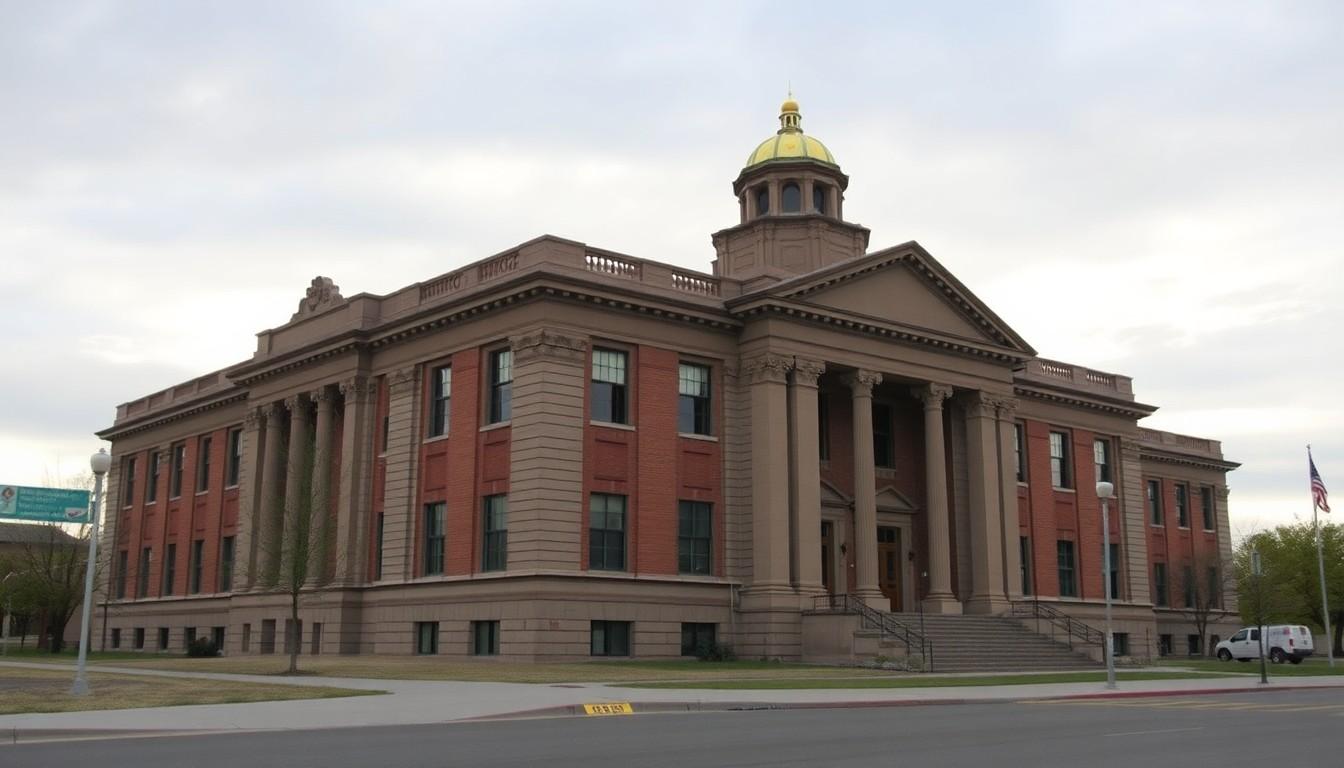
Watchers are re-evaluating the future of conversion therapy bans after the Supreme Court struck down Colorado’s law, leaving LGBTQ youth advocates alarmed and religious liberty supporters triumphant , here’s what happened, why it matters across the states, and what families and organisers can do next.
Essential Takeaways
- Major ruling: The Supreme Court held Colorado’s 2019 ban on conversion therapy for minors unconstitutional, shifting the legal fight into free‑speech and religious‑liberty territory.
- Broader danger: Advocacy groups warn the decision could embolden challenges to similar state laws and chill protections for LGBTQ youth.
- Practical impact: Licensed providers in Colorado may face fewer legal limits on offering faith‑based therapy to minors, though regulatory consequences are still being litigated.
- Organising response: Local groups like Rocky Mountain Equality are mobilising support, legal review, and community services for affected youth.
- What you can do: Families should locate affirming providers, check licensure protections, and connect with advocacy networks for guidance and support.
What the Supreme Court actually ruled , and who cheered
The headline here is simple and jarring: the high court found Colorado’s statute banning licensed conversion therapy for minors inconsistent with heightened First Amendment protections, returning the issue to lower courts for further review. The decision framed the law as an unlawful restriction on speech and religious exercise, a win religious‑liberty advocates hailed. For many readers the ruling will feel immediate and emotional , similar to the shock people described when other religion‑based cases reached the court.
This isn’t coming out of nowhere. The case was argued last October, and legal observers had signalled that the justices might prioritise free‑exercise and free‑speech concerns over state regulation of professional conduct. The practical result for now: Colorado’s ban is on shaky ground, and the ruling creates a blueprint challengers could use in other states.
Why LGBTQ groups are warning of wider consequences
Local LGBTQ organisations are treating the ruling as more than a single setback; they see it as fuel for a national campaign seeking to roll back protections. Rocky Mountain Equality , a long‑standing Colorado group that expanded from Boulder Pride into a statewide service and advocacy hub , has already described the decision as expected yet devastating, and is pivoting into damage control for young people who could be targeted. Their leaders point out the ruling’s timing and tone matters, since it affects public perception as much as legal doctrine.
Beyond immediate feelings, there’s a strategic risk: if courts increasingly view bans as suppressing constitutionally protected speech, other states with similar laws could be next. Organisations that track state bans and penalties note a patchwork of statutes across the country, meaning the impact will vary depending on local politics and pending legal tests.
How families and clinicians can respond practically
If you’re a parent, carer or clinician, the next steps are practical and fairly urgent. First, check whether local clinicians are licensed and whether professional boards retain the authority to discipline unethical practice , that paperwork still matters even when statutory bans wobble. Second, seek providers affiliated with mainstream medical associations; they denounce conversion therapy as harmful. Third, connect with local support networks , groups like Rocky Mountain Equality are offering referral services and financial assistance for travel if needed.
For clinicians who object to the ruling, the sensible route is to prioritise informed consent, transparent records, and alignment with accepted medical standards. That keeps therapeutic practice defensible and, importantly, helps protect vulnerable young people.
The political and civic aftermath , ballot fights and local organising
This decision landed in the middle of a fraught political map. Colorado, while often seen as progressive, is a purple place with upcoming ballot measures targeting gender‑affirming care and trans youth in sports , campaigns activists worry could ride the wave of this ruling. Local organising is already intensifying: activists are mobilising volunteers, fundraising, and planning messaging that resonates beyond urban centres.
Historically, fights over LGBTQ rights in Colorado have swung back and forth , from Romer to Masterpiece Cakeshop to other high‑profile cases , so civic engagement at the county and state level will matter. If you want to help, small actions like volunteering, donating, or simply having conversations in your community can compound into real resistance against harmful policies.
Where the law might go next and what to watch for
Legally, expect more appeals and carefully choreographed litigation. Some experts say the ruling emphasises a trend in the Roberts Court toward protecting religious‑speech claims, which could reshape how states draft restrictions intended to protect minors. Watch for revised statutes that focus on conduct and consumer‑protection language rather than direct speech prohibitions, or for professional boards tightening ethical rules that survive constitutional scrutiny.
Meanwhile, community groups will likely expand services for survivors of conversion therapy and push for local protections. The human stories behind the litigation , survivors’ trauma, grieving families, and grassroots resilience , will continue to drive public debate and, often, policy changes.
It's a small change in the statute book, but a big one in people's lives , and communities will be the ones to decide the next move.
Source Reference Map
Story idea inspired by: [1]
Sources by paragraph: