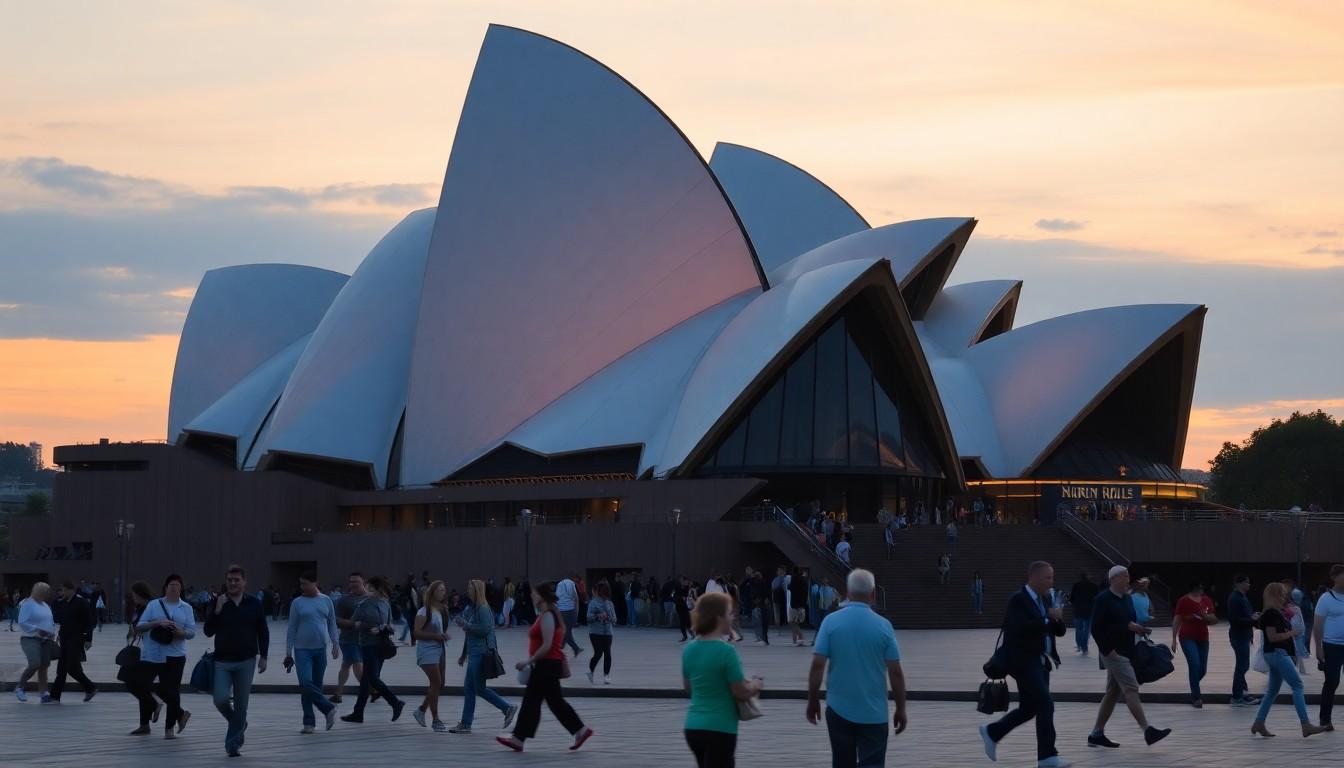
Shoppers and history-lovers alike are watching as organisers map out a sweeping national programme for the 50th anniversary of the first Sydney Gay and Lesbian Mardi Gras; the plan blends exhibitions, public art, concerts and education to preserve activism history and inspire future generations.
Essential Takeaways
- Nationwide tour: A two-year travelling history programme will visit metropolitan and regional centres, bringing 1970s Pride stories to new audiences.
- Permanent public art: Installations along the original heritage-listed route will turn Whitlam Square and Taylor Square into an interpretive storytelling trail.
- Cultural partners on board: Major institutions including the State Library, Sydney Opera House and Qtopia Sydney are collaborating on exhibitions and performances.
- Conference and concert: An international symposium on sustaining social change and a music programme at the Opera House will connect activism with culture.
- Legacy focus: Plans emphasise historical preservation, local storytelling and infrastructure , from museum refurbishments to increased funding drives.
Opening with a big, public idea , this is about legacy, not just a party
The headline news is less about glitter and more about memory: organisers want the 50th anniversary of the first Mardi Gras to leave real, visible traces in cities and regional towns. That means durable things you can visit , plaques, artworks, an expanded museum space , as well as touring exhibitions that smell faintly of old paper and protest flyers. According to those behind the project, the aim is to make the celebrations a civic history lesson that feels lively, not dusty.
This approach grew out of conversations between the First Mardi Gras 78ers and major cultural institutions, who all want to frame 1978 as the climax of a longer movement rather than the whole story. So for anyone expecting only one night of spectacle, think bigger: two years of programming, education activities and community activations across Australia.
A travelling exhibition , pride history rolling into regional towns
One pillar of the anniversary is a national touring history programme that’s designed to be more than a museum-in-a-truck. Led by Museums of History NSW, the plan pairs a travelling exhibition with Salon78 discussion forums and local activations so communities can tell their own queer histories. Expect themes of rights, resistance and recognition framed with photos, oral histories and interactive displays.
There’s a practical reason for the tour: many small communities struggle to stage Pride events, and bringing the exhibition to them creates a focal point that local groups can build around. It’s a smart way to widen access to history and to ensure regional stories don’t get left behind.
Public art along the original route , walking the story in the city
Rather than a single memorial, organisers are proposing a series of permanent artworks along the now heritage-listed original Mardi Gras route. Whitlam Square and Taylor Square would gain interpretive markers, QR-linked content and city-scale pieces that invite passers-by to pause and read the city’s queer story.
That decision nods to both place and process: the route itself becomes the exhibit. It’s a move that marries tourism and memory, and it also means people visiting Oxford Street get a layered experience , as the ABC and heritage listings have noted, the route is now recognised for its national significance.
Culture and performance , music, conferences and civic conversation
On stage, planners want to capture the soundscape of the liberation era with a special concert at the Sydney Opera House featuring the protest songs and dance anthems that underscored queer life in the 1970s. Complementing the arts side is an international conference billed Sustaining Social Change – The Legacy of 1978, which would gather activists, historians and policymakers to talk about preserving queer history and tackling contemporary challenges.
These elements bind entertainment to activism in a way that festival-goers have come to expect: programmes that educate while they delight. And by inviting international voices, organisers aim to set the anniversary as a global moment for reflection and strategy.
Qtopia, the State Library and funding realities , where the money needs to go
Qtopia Sydney is planning a significant expansion to house a permanent First Mardi Gras 78ers exhibition, an especially poignant proposal given the museum sits in the old Darlinghurst police station and courthouse. The State Library is also developing a major exhibition that situates 1978 within a broader era of gay liberation, challenging the myth that the movement began overnight.
All of this requires investment. Organisers are proposing a mix of government grants, philanthropy, sponsorship and ticketed programming to cover costs, with public art flagged as the biggest single expense. If fundraising meets ambition, the city could end up with new cultural infrastructure that educates and attracts visitors year-round.
Why this matters now , history, identity and the future
The 50th anniversary isn’t just nostalgia; it’s an attempt to anchor queer history in public space and public memory. By touring exhibitions to regional centres, installing permanent markers along the route, and building museum capacity, organisers want future generations to find the story without having to hunt for it. As one organiser put it with a laugh, they’d like support , including donations , to make the vision real.
If the plans come to fruition, 2028 will feel less like a single celebratory night and more like a national moment of reckoning and celebration that honours both struggle and joy.
It's a small change that can make every visit to the route feel like stepping into history.
Source Reference Map
Story idea inspired by: [1]
Sources by paragraph: