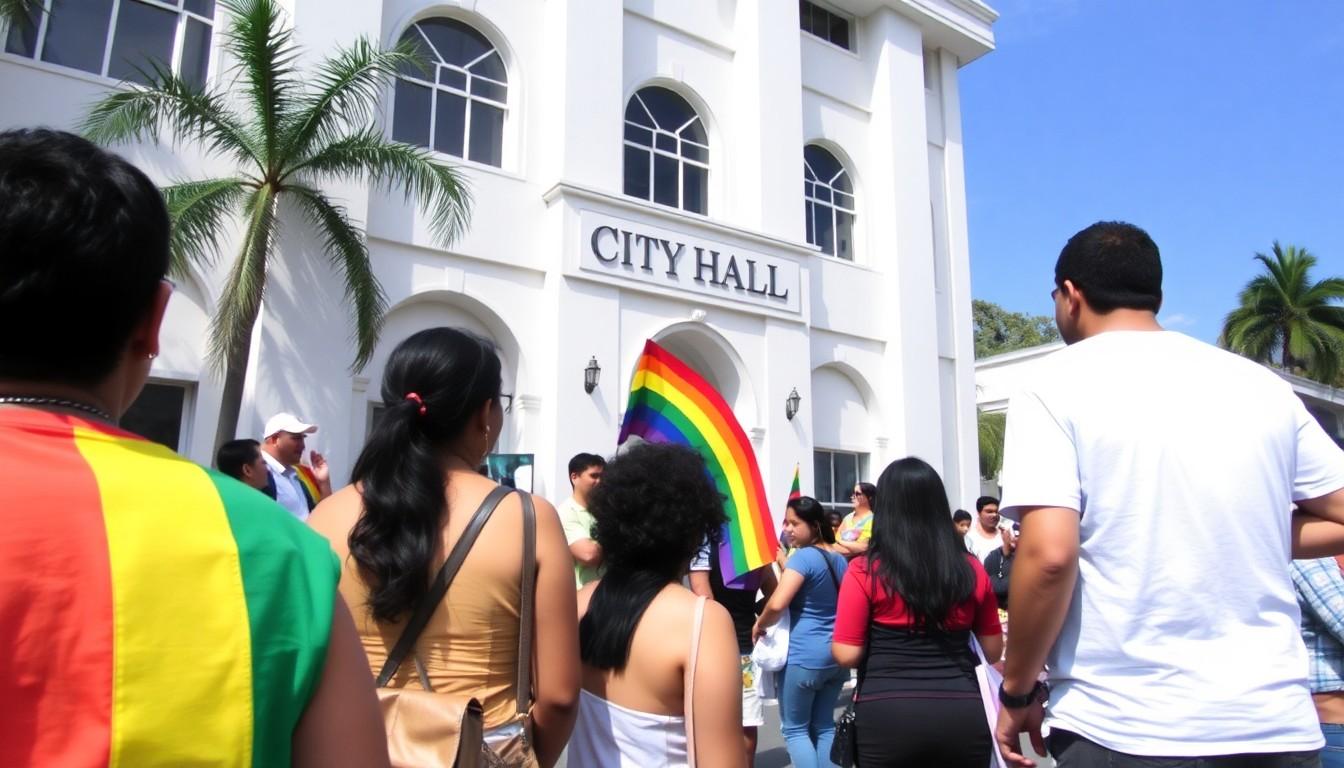
Celebrate, march, demand , Zamboanga City’s Marche de Orgullo 2026 brought a colourful crowd together to push for real change, not just pictures. Organised by the City Gender and Development Services with MUJER-LGBT, the parade mixed celebration with a clear political message about protection, inclusion and everyday dignity.
Essential Takeaways
- Large, multistakeholder turnout: Government, schools, civil society and private groups joined community members in a lively, united parade.
- Pride as political action: MUJER-LGBT leader Toni Gee Fernandez framed the event as a demand for rights and protection, not a completed victory.
- Visibility versus protection: Organisers stressed that increased visibility must be paired with legal and social safeguards.
- Ongoing local momentum: City officials say the march reflects growing support for inclusion in Zamboanga’s public life.
A colourful march with a serious message
The parade was bright, noisy and tactile , flags, banners and the hum of voices that make an idea feel alive. According to event organisers, Marche de Orgullo 2026 drew a broad mix of participants, from grassroots groups to city agencies. Out in the street it looked like a festival, but the speeches and placards kept bringing things back to policy and protection. If you’ve ever wondered why Pride can feel both joyful and urgent, this was the reason: it signals presence and insists on rights.
Why organisers say Pride remains necessary
Mx Toni Gee Fernandez of MUJER-LGBT made the core point plain: Pride isn’t a victory lap. She reminded attendees that discrimination and exclusion persist, and that visibility without legal protection leaves people exposed. Fernandez’s comments follow a long-running argument within LGBTQIA+ advocacy that public acceptance must be matched by enforceable safeguards. For anyone choosing whether to attend or support Pride, her message is a useful yardstick: are we celebrating progress, or settling for performative support?
Government backing, but protection still the ask
City Gender and Development Services co-hosted the event and presented the march as evidence of growing local support. Yet organisers and community leaders were careful to say that municipal goodwill needs to translate into concrete policy and protections. Reports from similar events show that institutional endorsements help normalise inclusion, but they’re only the start , legal measures, anti-discrimination enforcement and services are what turn visibility into safety. If you want to help, push for measurable commitments from local representatives, not just photo ops.
How MUJER-LGBT keeps the pressure on
MUJER-LGBT has been visible in advocacy and outreach across Mindanao, and Fernandez’s leadership keeps rights central to the conversation. The organisation’s approach mixes public celebration with education and legal awareness, which helps communities navigate stigma as well as enjoy Pride. For families and allies, the takeaway is practical: support local advocacy groups, ask how you can help with outreach or legal literacy, and show up not only on parade day but in the quieter work that follows.
What this means for the wider movement
Events like Zamboanga’s Pride underline a broader reality across the Philippines and beyond: social acceptance is growing, but policy often lags behind. New legal guides and community resources have appeared in recent years to help activists and citizens understand rights, yet gaps remain , particularly for trans people and communities outside major urban centres. The mood at Marche de Orgullo was hopeful and determined: visibility opens doors, but the real test is whether those doors lead to equal treatment.
It's a small change that can make every march more than a photo op , and every person safer.
Source Reference Map
Story idea inspired by: [1]
Sources by paragraph: