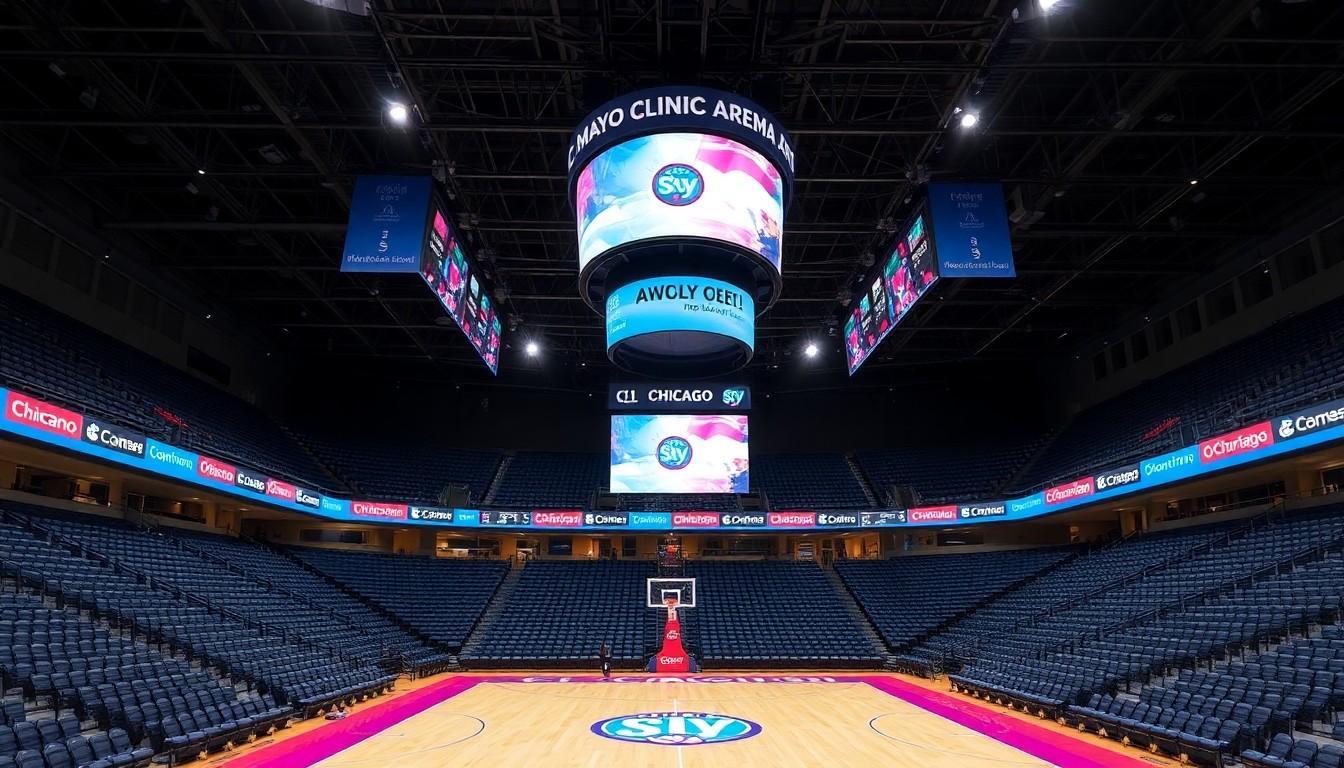
Shoppers are turning their attention to a league where Pride nights mean more than rainbow T‑shirts , they’re moments of joy, visibility and activism. WNBA players and coaches across the country have been celebrating queer culture openly, and wins on Pride Night are increasingly framed as communal, emotional and, yes, celebratory.
Essential Takeaways
- Visible pride: Players and coaches now openly celebrate Pride Night wins with joyful, public lines like “we did it for the gays,” signalling leaguewide comfort and solidarity.
- Historic inclusivity: The WNBA has long been home to queer stars, and its Pride campaign dates back to 2014, giving the league a head start on inclusion.
- Cultural impact: Pride nights carry emotional weight , they’re about safety, celebration and community support as much as sport.
- New generation: Younger players are more visible and candid about sexuality, boosting commercial appeal and cultural relevance.
- Practical vibe: For fans, Pride nights feel welcoming and celebratory, with a lively crowd, rainbow gear and often an extra charge of emotion on court.
Why a coach’s offhand line became a moment
A quip from a coach can go everywhere now, and Cheryl Reeve’s “we should’ve done it for the gays” , after a narrow Pride Night loss , landed like a rallying cry. It’s a small, human moment: the sentence felt like both apology and motivation, warm with the relief of shared values and the sting of a close defeat. The remark caught on because it named an audience that matters to the league and acknowledged the role fans play in Pride Night energy. For teams, those lines aren’t just banter, they’re public signalling that Pride is core to the game-day script.
Players are turning Pride into community theatre
Point guard Natasha Cloud’s “we did it for the gays” after the Sky’s decisive Pride Night win shows how players are leaning into those moments. Cloud, publicly out and vocal, frames Pride nights as safe spaces and as celebrations that matter beyond basketball. That’s important because it reframes the game: wins become communal catharsis, not merely a stat. Fans notice, feel included, and players say the atmosphere , the noise, the colours, the collective relief , makes the night feel special.
The WNBA’s long arc on inclusion
The league didn’t get here overnight. The WNBA launched a dedicated Pride campaign back in 2014, and over time marketing and culture shifted. Early approaches nudged players toward a narrowly feminine image, but that’s changed as more queer athletes felt able to be themselves. The result is a league where legends and current stars who are queer are celebrated rather than hidden, and where campaigns and Pride nights are baked into the calendar. That history matters: it shows change is institutional, not accidental.
Why visibility matters , on and off the court
Visibility has practical effects. When star players are out and outspoken, it signals safety to teammates, fans and younger athletes. It also feeds interest: queer athletes have become central to the league’s identity and appeal. And there’s a human beat to it , Pride nights give people a chance to breathe in relief and joy in a society that can be hostile. That mix of activism and celebration is one of the WNBA’s defining traits and a reason many fans turn up for Pride-themed games.
Choosing Pride nights as fan experiences
If you want to attend a WNBA Pride night, expect energy: rainbow merchandise, louder crowds, and players who might speak directly about what the night means. For parents bringing kids it's a chance to model inclusivity; for queer fans it can be an uplifting, visible moment of community. Practical tip: buy tickets early, wear something colourful if you like, and remember the evening often includes extra ceremonies or special guests that make the night feel ceremonial.
It’s a small change that can make every game feel like a celebration of belonging.
Source Reference Map
Story idea inspired by: [1]
Sources by paragraph: