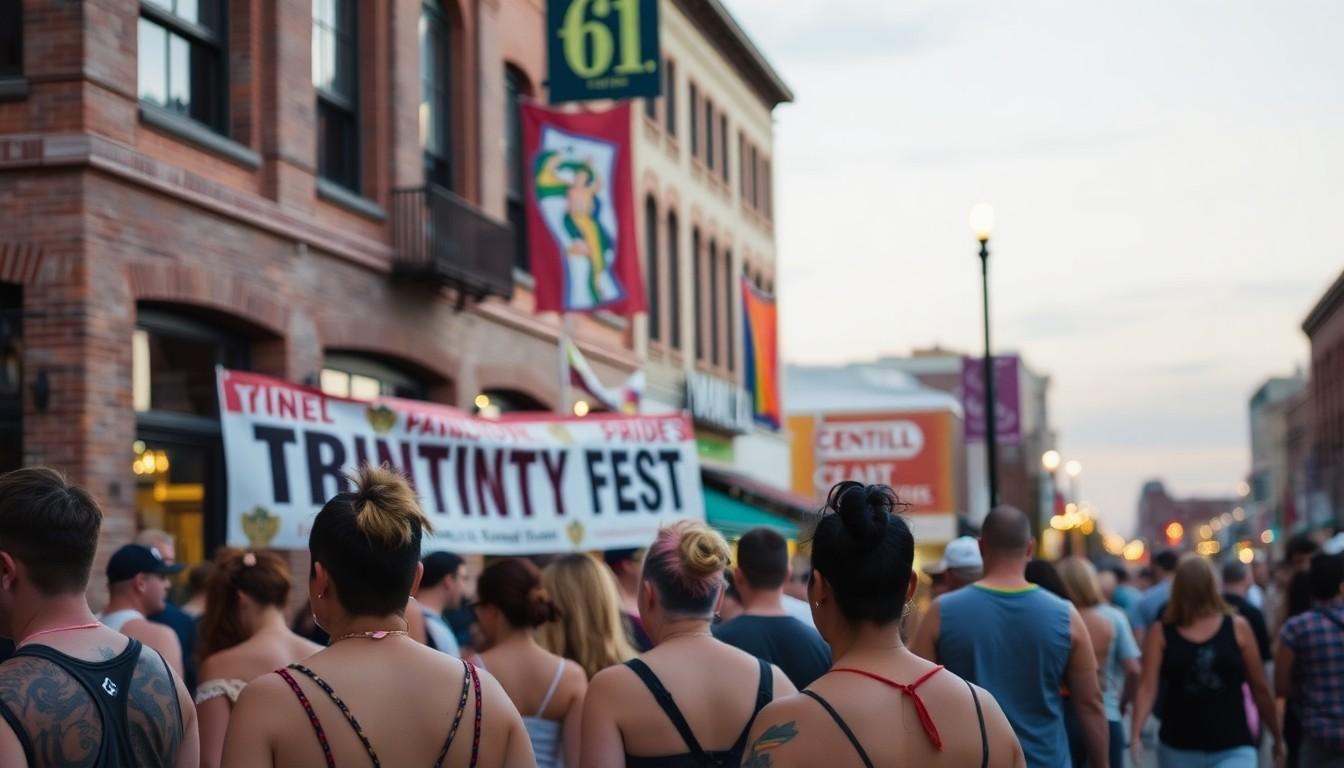
Shoppers, neighbours and proud locals turned out as Trinity Pride Fest took over South Main Street in Fort Worth on Saturday evening , now the largest Pride event in Tarrant County after Arlington Pride’s cancellation, and a reminder of how community momentum can replace lost institutions.
Essential Takeaways
- Largest in the county: Trinity Pride Fort Worth is now Tarrant County’s biggest Pride celebration after Arlington Pride was suspended.
- New sponsorship: The HELP Center for LGBTQ+ Health & Wellness shifted support to Trinity Pride, bringing resources and visibility.
- Local-first programming: Organisers say the festival is focusing on community talent and grassroots groups before courting big-name headliners.
- Cautious comeback: Some businesses and nonprofits stayed quiet last year amid fears of DEI backlash; organisers hope to rebuild that confidence.
- Family-friendly vibe: Events included an opening march, local performers, nonprofits’ booths and a feel that’s more neighbourly than corporate.
How Trinity Pride stepped into a bigger spotlight
Trinity Pride Fest suddenly found itself filling a county-sized gap when Arlington Pride was suspended, and the scene on South Main felt both celebratory and purposeful. The street hummed with music, colourful banners and the steady, warm murmur of conversation , the kind that says this isn’t just a party, it’s a community asserting itself.
Organisers told local outlets the HELP Center, which had supported Arlington Pride, moved its presenting sponsorship west to Fort Worth. That kind of institutional backing matters; it brings volunteers, funding and links to health and wellness services that go beyond the festival lights.
Why Arlington’s cancellation reshaped the calendar
Arlington Pride’s organisers announced the event would be paused after a city council vote against reinstating anti-discrimination protections for LGBTQ+ residents, a decision that undercut local backing and sponsorship. News coverage traced how that political setback led the HELP Center to rethink where its limited resources would have the most impact.
For Trinity Pride, the shift is bittersweet. On the one hand it’s an opportunity to welcome more people and groups; on the other, it’s a reminder of how fragile civic support can be when politics and public safety collide.
Going local first: a deliberate, practical strategy
Trinity Pride’s president has emphasised building a foundation with local performers and nonprofits before chasing big acts again. After the festival booked a national headliner in 2024, organisers say corporate and community support dipped amid political pressure and fear of DEI retaliation.
That local-first approach makes sense for organisers who want steady growth. Relying on neighbourhood bands, local drag and nearby LGBTQ+ services creates resilience: smaller fees, easier logistics and a clearer message that this festival belongs to the people it serves.
Practical tip: if you’re planning to support a local Pride, arrive early to the programming tent and ask organisers how they’re using sponsorship money , community events often publish their plans and volunteer needs.
What it felt like on the ground , music, marchers and meaningful booths
The evening included an opening march down South Main, rows of nonprofit stalls and performances that leaned toward community talent. The festival atmosphere was tactile: the rustle of brochures, the warm tang of street food and the steady sparkle of fairy lights over the crowd.
Attendees told local reporters it felt more intimate and approachable than flashier, corporate-backed events. That intimacy helps people who might be hesitant to attend large Pride festivals to feel safe and welcome.
Practical tip: for families or people new to Pride, local-first festivals often have calmer stages, kid-friendly activities and volunteers ready to answer questions about accessibility and safety.
What comes next for Pride in Tarrant County
Organisers say the plan is gradual: keep fortifying community ties, bring in more local partners, and only once a firm base exists consider courting national performers again. That cautious optimism acknowledges the realities of sponsorship in a politically charged environment, but it also leaves room for growth.
Community leaders hope that steady, visible support will coax quieter businesses and groups back into the fold. And for many attendees, the shift is a chance to reframe Pride as less about headline acts and more about the everyday services and networks that sustain queer life.
It's a small change that can make every celebration feel safer and more rooted.
Source Reference Map
Story idea inspired by: [1]
Sources by paragraph: