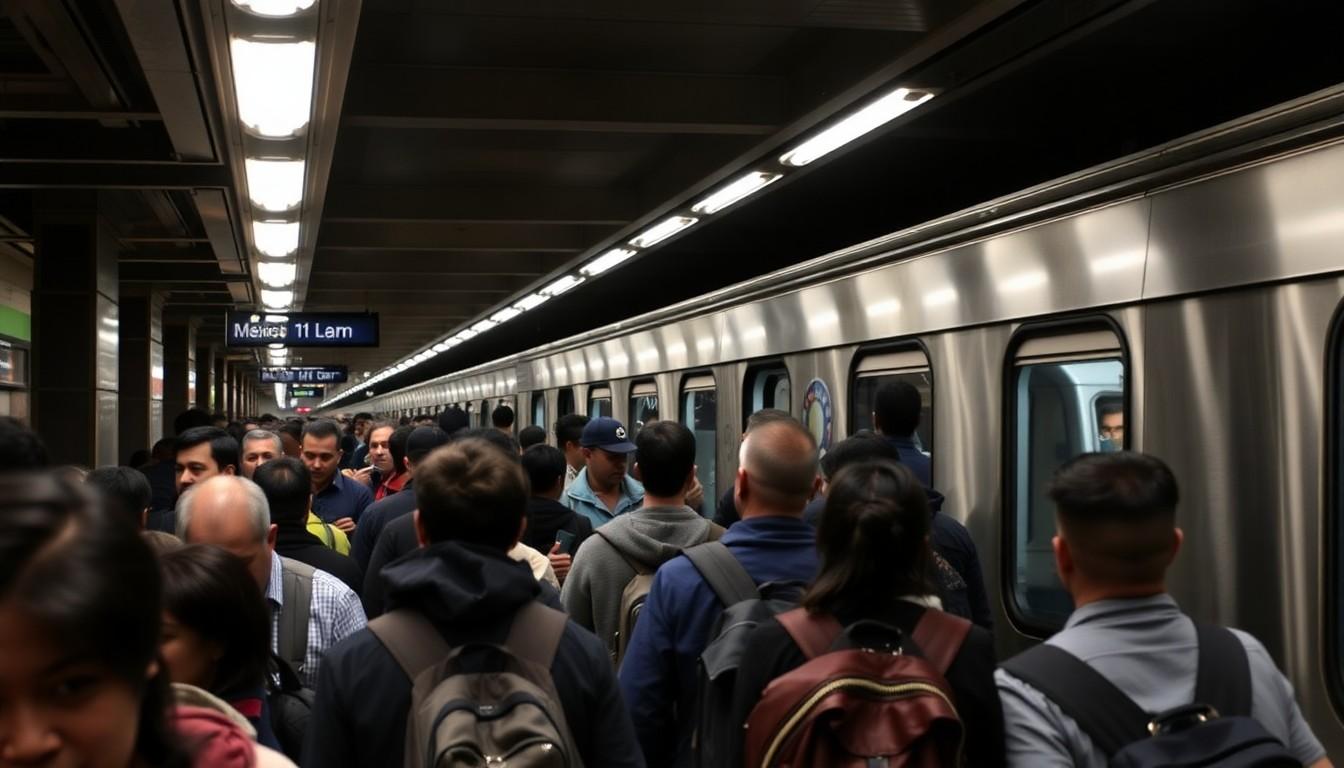
Notice how casual cruelty still shapes daily life for many trans people: encounters in public toilets, mocking looks on transport and workplace snubs are common, and they matter because they pile up into real harm. Here’s what’s happening, why it’s important, and practical steps communities and authorities can take to make public life safer.
Essential Takeaways
- Visible harm: Trans people routinely face verbal abuse and exclusion in public spaces, especially toilets and public transport, creating a persistent climate of fear and shame.
- Workplace impact: Discrimination at work remains a major problem, affecting jobs, income and mental health.
- Legal protections matter: Clear policies for public settings and trained officials reduce incidents and improve health outcomes.
- Simple respect helps: Using a person’s chosen name and pronouns, and enforcing anti-discrimination norms, makes everyday life less hostile.
Why everyday slights add up to violence
Start with the small things: a glance that won’t meet yours, a phrase like “how am I supposed to treat you?” or being watched while you use a public toilet. Those moments feel minor to some, but to the person on the receiving end they’re humiliating and exhausting. According to human-rights reporting and public-health research, this kind of repeated invalidation is a major source of stress and danger for trans and gender-nonconforming people. Practical takeaway: treating respect as non-negotiable , names, pronouns and privacy , is the cheapest, easiest harm-reduction step any of us can take.
How public spaces can become battlegrounds , and how law helps
Bathrooms, buses and neighbourhood streets are where stigma often plays out. Studies and public-health experts argue that legal protections in public settings are not just symbolic: they’re a concrete public-health measure. Where rules clarify access and authorities are trained, incidents drop and people report feeling safer. So campaigners and policymakers should focus on enforceable guidance for public facilities and transport operators, not just goodwill statements.
Workplaces still let people down , what employers can do today
Workplace discrimination remains widespread, from hiring to daily interactions. That’s not just unfair, it’s costly for businesses and damaging for staff wellbeing. Best practice isn’t hard: clear anti-discrimination policies, HR training on gender identity, and practical steps like allowing people to update names on records and access facilities aligned with their identity. Small administrative fixes, paired with sincere managerial support, can transform someone’s sense of security at work.
Community responses that actually help
Grassroots networks and ally behaviour make a big difference. When people have a support circle , friends, family or at-work allies , the impact of public hostility shrinks. Community organisations also provide crisis support and information about legal options. If you want to help, start by listening, learning local resources, and offering practical support like accompanying someone to report abuse or helping with paperwork to change records.
What authorities and services should prioritise now
Training front-line public servants , from bus drivers to police officers to municipal staff , is essential. Officials who recognise and respect gender diversity are less likely to escalate situations or allow segregation. Public-health research shows trained staff and explicit legal protections reduce both acute incidents and long-term harms. Policy-makers should pair education with accountability: complaints should be easy to file and taken seriously.
It's a small set of changes that would make public life a lot safer and kinder for trans people , respect, policy and practical support.
Source Reference Map
Story idea inspired by: [1]
Sources by paragraph: