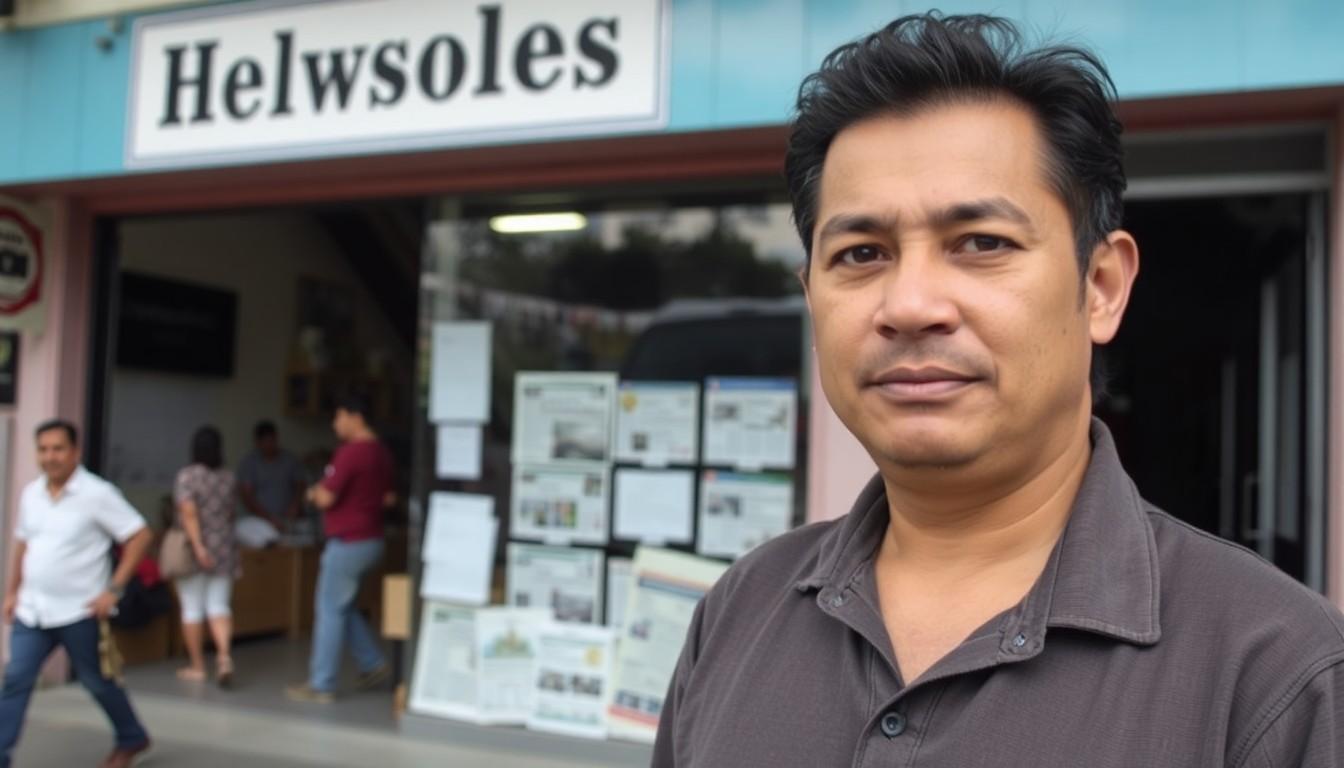
Watch closely: reporters in Chiapas are finding that being gay and working in news turns daily life into a frontline. This piece looks at who’s affected, why it matters for press freedom in southern Mexico, and practical steps activists, editors and readers can take to protect and amplify LGBT journalists on the ground.
Essential Takeaways
- High-risk beat: Journalists in Chiapas face armed conflict, migration crises and organised crime alongside everyday homophobia, making reporting uniquely dangerous.
- Double stigma: LGBT reporters encounter workplace stereotyping, street harassment and threats at home, yet continue covering hard beats with quiet resilience.
- Legislative flashpoints: Debates over gender identity laws and banning so‑called conversion therapies have intensified local tensions and public attacks.
- Community support matters: Networks of colleagues, activists and civic groups provide emotional, legal and visibility support that can be lifesaving.
- Practical actions: Editors, funders and readers can help with safety training, secure communications, legal aid and public recognition.
Why Chiapas is a uniquely dangerous place to report , and why identity compounds risk
Chiapas presents a hard news cocktail: migration flows, indigenous resistance and pockets of armed violence create hazardous assignments. According to regional reports, journalists covering those beats already face threats, assaults and displacement. Layer on sexual orientation and the risks aren’t just physical , they become social and bureaucratic, too. Journalists who are openly LGBT tell a similar story: homophobic slurs from neighbours, hostile comments from officials, and colleagues who pigeonhole them into lifestyle coverage. That combination can intimidate sources, limit access and increase isolation. If you care about press freedom, recognising these intersecting dangers is the first step.
Stereotypes at work , how assumptions shape who gets to cover what
There’s a persistent myth in some newsrooms that LGBT reporters belong in culture pages rather than conflict zones. Local accounts show surprise from colleagues when an openly gay reporter covers protests, indigenous communities or migration routes , as if orientation somehow reduced professional capability. This kind of everyday bias narrows assignments and undermines confidence. Newsrooms can change that by auditing who covers what, offering equal-field assignment policies and celebrating reporting achievements across beats. Simple moves , public bylines, editorial endorsements, and assignment parity , shift the narrative fast.
Harassment at home and online , threats don’t stop at the newsroom door
Threats to journalists often spill into private life. Reports from Chiapas describe neighbours sending insulting messages and directed harassment at a reporter’s home address. Online abuse, trolling and homophobic comments are common, too. These assaults are not only degrading; they’re a tactic to silence reporting by making life unsafe. Practical protections include registering threats with authorities, toggling location data off social posts, and using secure messaging for sensitive contacts. Organisations that fund safety tools and legal advice can reduce fear and keep reporters reporting.
Lawmakers and language , how political debate escalates risk
State-level debates over gender identity and the criminalisation of conversion therapies have sharpened public divides. Some local politicians have publicly used discriminatory language, which legitimises hostility and can trigger attacks. Coverage that documents these debates is vital, because media scrutiny pressures institutions to act and creates a public record. But it also raises exposure for the reporters themselves. Editors should pair politically sensitive reporting with protective measures: rapid response legal counsel, verification protocols to protect sources, and safety plans when coverage prompts backlash.
Networks, solidarity and small power moves that help
What keeps many LGBT journalists going is community: colleagues, activist groups and media allies who provide moral and practical support. Regional networks organise marches, demand justice in cases of attacks, and push for inclusive policies. For editors and news directors, concrete steps matter: fund travel and relocation when threats escalate, pay for digital-security training, and visibly back bylines when harassment begins. For readers and civil society, amplifying work on social media, attending public panels, and donating to emergency funds are simple but effective actions. Visibility paired with protection is the balance that buys breathing room.
If you want to help today , quick, useful actions
You don’t need to be an expert to make a difference. Share verified stories from LGBT journalists and cite their reporting. Support legal-aid groups or emergency funds for threatened reporters. If you work in media, insist on inclusive assignment practices and offer trauma support for staff. Small gestures , a public thank-you, a byline boost, prompt fact-checking help , build professional immunity against attacks that rely on isolation.
It's a small change that can make every report safer.
Source Reference Map
Story idea inspired by: [1]
Sources by paragraph: