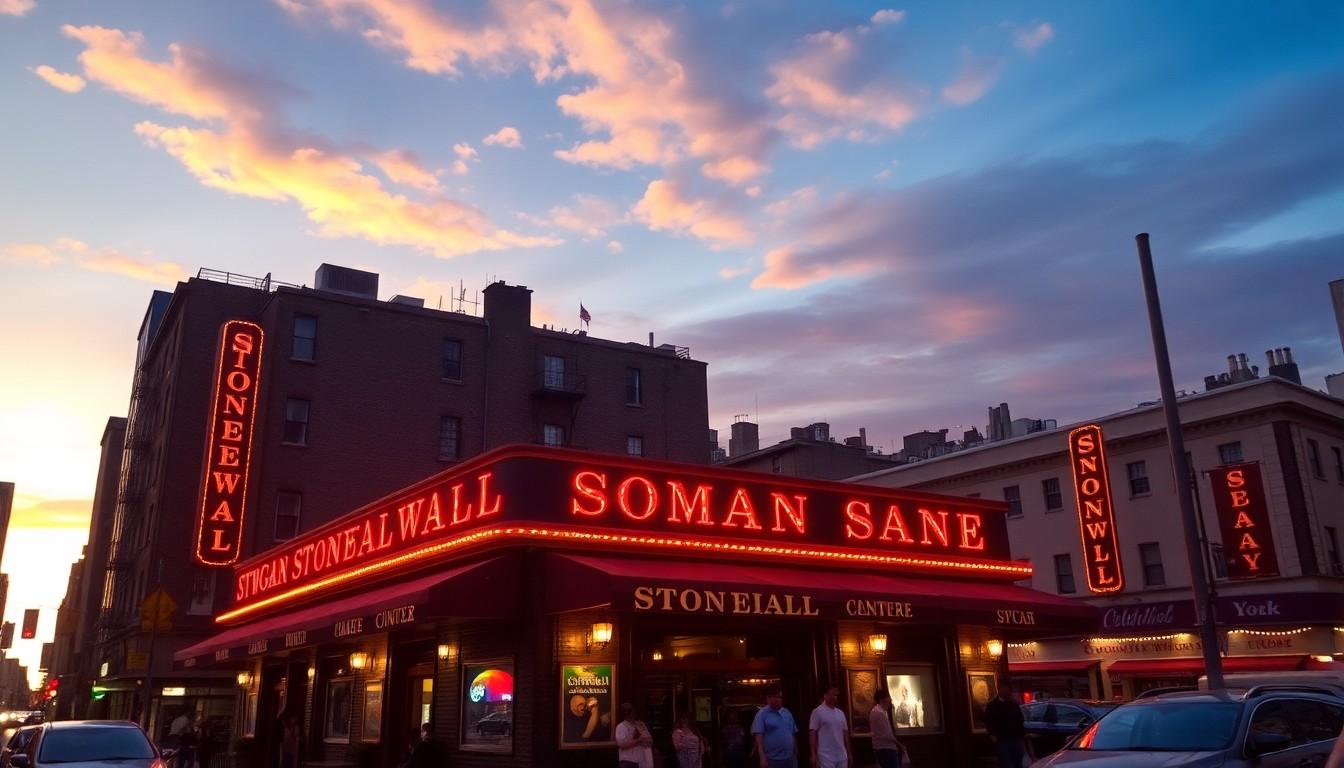
Celebrate thoughtfully: community groups, historians and activists are marking the 57th anniversary of the Stonewall Inn riots this June 28, 2026, reminding us why Pride began, what was won and what still needs fixing , from legal rights to everyday dignity. Expect ceremonies, talks and quiet remembrances across cities and online.
Essential Takeaways
- Historic flashpoint: Stonewall’s late‑night raids sparked multi‑night resistance that crystallised a modern LGBT+ rights movement.
- People power: Those who fought back included trans and queer people, sex workers and people of colour , the crowd felt raw, angry and determined.
- Legacy visible today: Annual Pride marches, community groups and legal changes trace directly to the uprising’s momentum.
- Still unresolved: Police accountability, workplace protections and social acceptance remain headline issues for many communities.
- How to mark it: Attend local events, support grassroots organisations, read primary histories, and centre the voices who led the rebellion.
Why Stonewall still matters: a spark that changed public life
The image of a crowd outside a Greenwich Village bar , noisy, furious, and finally refusing to disperse , still rings with electricity. According to Encyclopaedia Britannica and History.com, routine police raids on queer venues were common, but the violent raid of the Stonewall Inn on 28 June 1969 met unexpected resistance and turned into days of protests. That raw, angry energy is what made people sit up: this wasn’t just another harassment, it was a breach in how society expected queer people to behave.
For anyone attending a 2026 event, you’ll sense both celebration and seriousness. Stonewall didn’t invent queer community, but it made public defiance possible and visible. If you want to understand Pride beyond the rainbow flags, start by reading eyewitness accounts and reputable histories: they capture the sounds, the fear and the relief in ways polished slogans can’t.
Who stood up , and why that matters today
Stonewall’s participants weren’t a single, homogeneous group. Reports and scholarship highlight the frontline role of trans people, drag performers, sex workers and people of colour. These were people with the most to lose, who had long experienced police harassment and economic precarity, so their refusal to be passive carried huge moral weight.
That diversity is a practical reminder for modern organisers: centring marginalised voices matters. When you join a march or donate, look for groups that support trans rights, homeless LGBTQ+ youth, and legal defence work. Their priorities often reflect the same urgencies that fuelled the original uprising.
How the movement turned unrest into institutions
In the months and years after Stonewall, activists moved from sporadic protest to formal organising: community centres, advocacy groups and Pride marches grew rapidly. Encyclopaedia Britannica and local histories document how activists pushed for legal change, visibility and services , the movement professionalised while keeping a grassroots heart.
That process shows a useful pattern for anyone trying to effect change: channel outrage into institutions and services that survive beyond a headline. Volunteer your time, join a local board, or support community legal clinics , small inputs seed long‑term impact.
Remembering vs. commercialising Pride: where to draw the line
Nowadays Pride can feel two ways: liberatory and corporate. There’s no single right answer, but context helps. Commemorative talks, museum exhibits and memorial plaques put events into perspective; sponsorship and branded floats can bring funds and visibility, yet sometimes dilute history.
If you’re attending a parade or festival this anniversary weekend, try splitting your experience: go to an educational panel, then enjoy the celebrations. Buy from queer vendors, read about Stonewall at a local archive, and use your social media to amplify survivor testimony and community needs rather than only festival glamour.
Practical ways to mark the 57th anniversary
- Join a vigil, march or panel in your city , local listings often include trans‑led and grassroots events.
- Donate to organisations that provide legal aid, mental‑health services and housing support for LGBTQ+ people.
- Read primary and well‑sourced histories from reputable outlets to hear varied perspectives.
- Teach younger people: a short, honest conversation about why Pride exists can shift attitudes.
- Advocate for police accountability and anti‑discrimination protections in your workplace or council.
Stonewall at 57 is both a celebration and a checkpoint: we honour those who risked everything and we ask whether today’s laws and attitudes match that sacrifice. That dual purpose is why the anniversary still matters.
It's a small ritual of remembrance that can shape a fairer future , join in, learn, and support the people who need it most.
Source Reference Map
Story idea inspired by: [1]
Sources by paragraph: