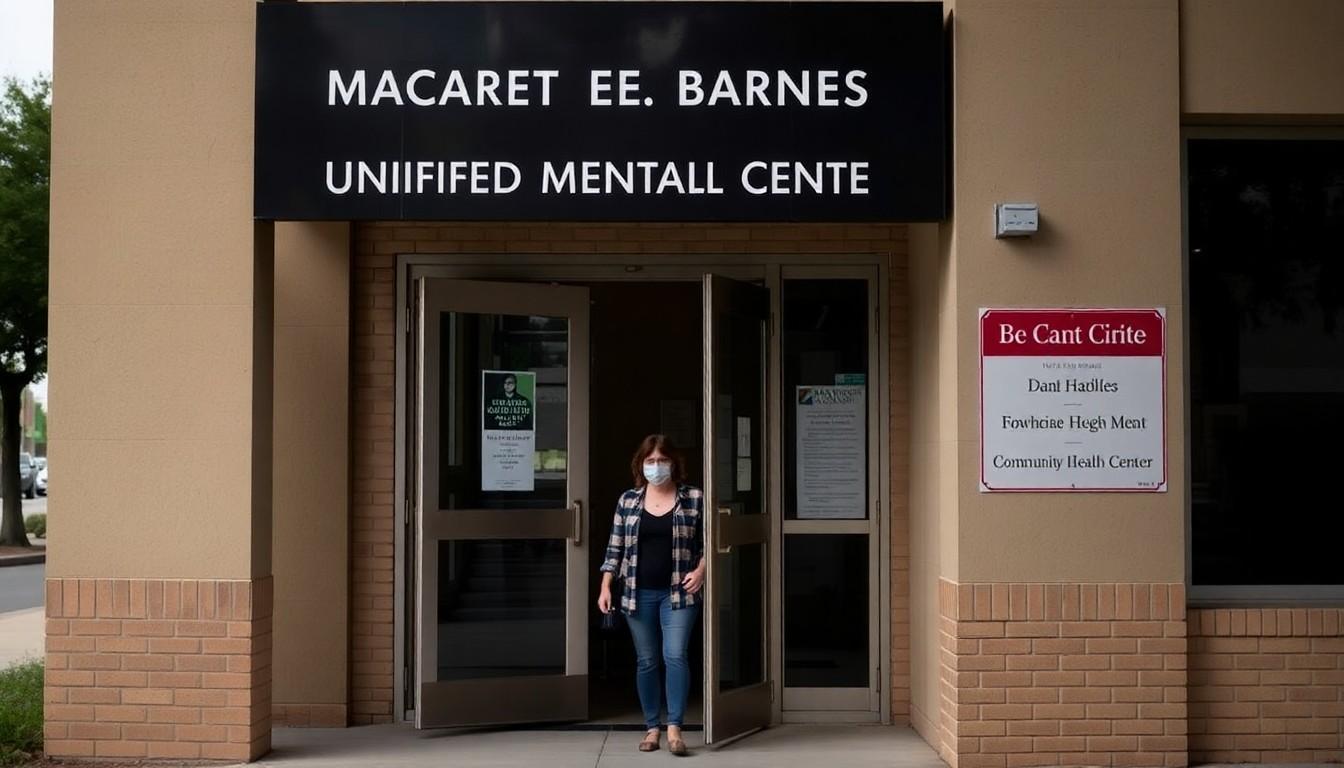
Celebrating resilience, remembering loss: Pride this year is a chance for communities to honour four decades of progress against HIV, spotlight lifesaving prevention like PrEP and long‑acting injectables, and confront the gaps that mean the virus still touches 1.2 million Americans.
Essential Takeaways
- Historical turning point: First US reports of the AIDS epidemic appeared 45 years ago, a moment that sparked community activism and research.
- Big medical wins: Modern prevention and treatment , daily PrEP, long‑acting injectable options, and antiretrovirals that suppress viral load , let people live long, healthy lives.
- Local disparities: HIV prevalence varies widely; some counties have rates double the national average, showing access and stigma still matter.
- Practical change: Long‑acting injectables can remove adherence barriers for people who struggle with daily pills, improving protection and continuity of care.
- Why Pride matters: Pride mixes celebration with public health: it raises awareness, reduces stigma, and connects people to testing and services.
Pride as a season of memory, grit and progress
Pride began as protest and keeps that edge , it’s part celebration, part reminder of what community organising achieved. Forty‑five years after the first US reports of a new, terrifying illness, the landscape looks dramatically different: treatments and prevention tools have turned many diagnoses into manageable conditions, and the mood at Pride events often reflects that mix of relief and remembrance. According to the CDC’s historical account, community pressure was crucial in driving research and care early on, so the festivals themselves still serve as both party and podium.
What medical advances actually changed lives
From antiretrovirals that can suppress viral load to PrEP that cuts transmission risk by up to 99 percent when taken properly, the science has been transformative. More recently, long‑acting injectable forms of both prevention and treatment have arrived, offering options for people who find daily pills difficult. For many patients, the relief is tangible: fewer pills, fewer missed doses, less worry , and for clinicians, another tool to help patients stay virally suppressed. Still, the arrival of new treatments doesn’t erase the need for outreach and education.
Unequal impact: why where you live still matters
National averages hide stark local differences. In some areas HIV prevalence is far higher than the US mean, reflecting social and structural factors: poverty, unequal healthcare access, and stigma. These pockets of higher rates remind us that progress isn’t universal. Public health reporting makes it clear that targeted services, culturally competent care and local clinics matter just as much as new drugs. If you live in a place with higher prevalence, it’s worth checking local health resources and Pride events for tailored testing and support.
Practical tips: testing, prevention and choosing the right option
Get tested regularly, know your status, and talk to a clinician about prevention choices. If daily pills are a struggle, ask whether long‑acting injectable PrEP or treatment might suit you , clinics offering these options report better adherence for some patients. For sexual partners and caregivers, learning about undetectable equals untransmittable (U=U) reduces fear and stigma: a sustained undetectable viral load means effectively no risk of sexual transmission. Bring questions to your GP or a sexual health clinic and look for services that feel welcoming and non‑judgemental.
Pride’s practical public‑health role , beyond the parade
Pride events are more than colourful marches: they’re major outreach moments when clinics, charities and health departments offer testing, vaccines and information. Organisers often partner with healthcare providers to reach people who wouldn’t otherwise seek services, and that on‑the‑ground work helps turn awareness into action. So while we dance and wave flags, there’s often a quieter, lifesaving current: real conversations about prevention, care and how to make services more accessible.
It's a small change that can make every future Pride safer and more inclusive.
Source Reference Map
Story idea inspired by: [1]
Sources by paragraph: