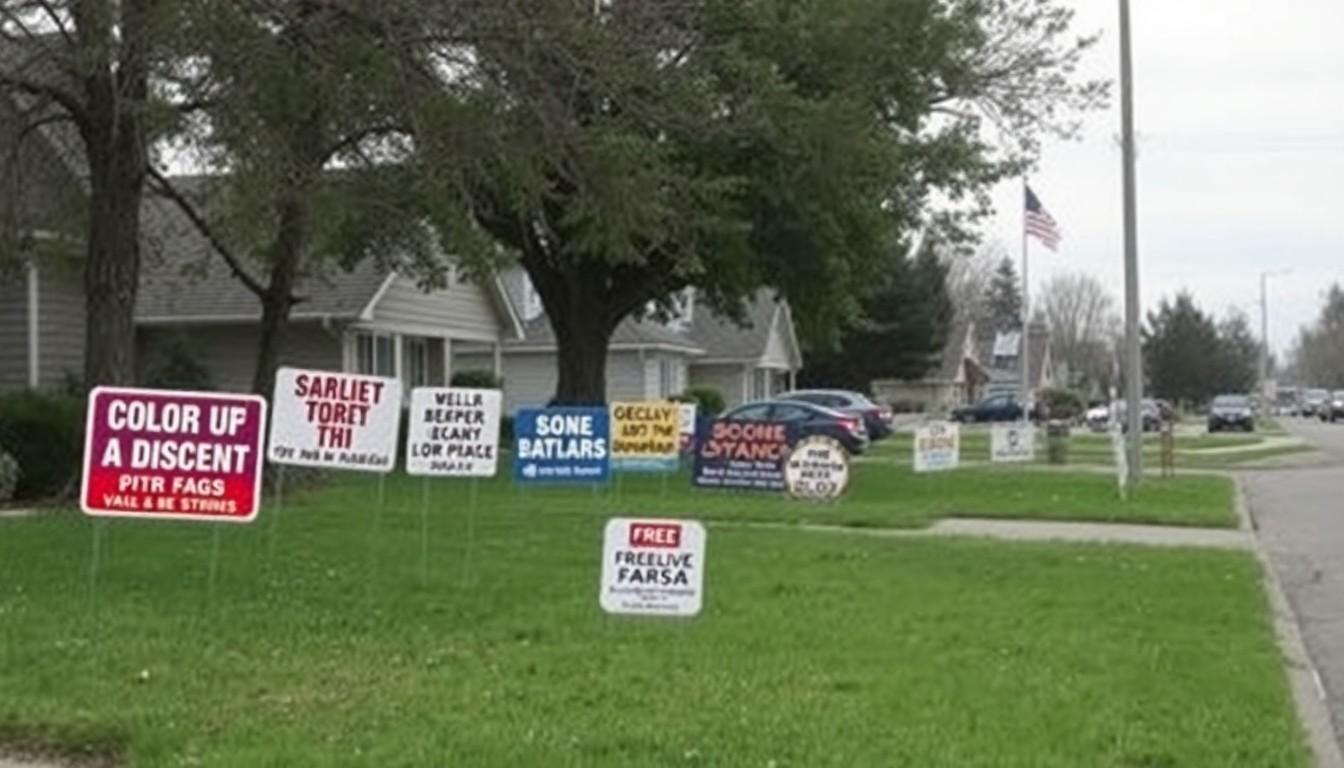
Shoppers and neighbours are turning their front yards into a rainbow response: Boise communities are mounting a citywide display of Pride flags and signs after Idaho’s new law barred non-official flags from government property, a grassroots push that’s practical, visual and quietly defiant.
- Grassroots momentum: A neighbourhood group, Pride North End, has handed out more than 250 flags and 900 yard signs to locals willing to display them.
- Fundraising success: A GoFundMe that aimed for $2,000 has raised over $10,000, with surplus slated for LGBTQ+ charities.
- Visible tactics: Flags now appear on private homes, yard stakes and lamppost-adjacent private displays , bright, resilient and easy to install.
- Why it matters: The ban affects official government displays; private property remains a legal and symbolic space to show support.
- Practical note: Yard flags are low-cost, weatherproof, and send a warm visual message that’s hard to ignore.
Neighbourhoods turned rainbow , what’s actually happening on the ground
Boise residents have taken a simple, tactile approach: put the flag where the law can’t touch it, on private lawns, porches and fences. The result is surprisingly pretty , a row of soft nylon flags popping colour against the city’s brick and elm backdrop. According to local reports, Pride North End has been the main organiser, distributing flags and yard signs to anyone willing to display them. That visual saturation does more than decorate; it maps out allies street by street.
The movement grew out of a specific legal squeeze. Boise officials used to fly Pride flags from lampposts and city hall, but in 2025 Idaho passed a law forbidding non-official flags on government property. When the city tried to name the Pride flag an official flag, state legislators amended the statute with clearer language and financial penalties. So neighbours picked up where the municipality was pushed back.
Money, momentum and method: how a small fundraiser ballooned
What began as a modest GoFundMe goal of $2,000 quickly surpassed expectations, bringing in over $10,000. That extra cash isn’t sitting idle , organisers say unused funds will go to local LGBTQ+ nonprofits. The surge in donations underlines two things: people want to contribute, and small, visible acts of solidarity attract support. Crowdfunding like this also covers practicalities , buying durable flags, sign stakes, and outreach materials , so more households can join in without individual expense.
The campaign’s success also helps spread the load. Flags are relatively cheap in bulk, and signs can be produced locally. For anyone wanting to replicate the idea, pooling small donations is a sensible, low-friction way to amplify presence quickly.
Why private property becomes political in a ban era
When governments restrict flags on official property, the symbolic battleground shifts to private yards and businesses. That’s exactly what’s happened here: people using porches, fences and windows to send a message that elected limits don’t erase community support. It’s a strategy that’s both legal and visually powerful, because it transforms private spaces into a public chorus.
Legal experts and advocacy groups point out that while municipalities face fines under the new law, private citizens remain free to display whatever they want on their property. That distinction matters not just for rights but for optics , a ribbon of rainbow flags through a neighbourhood speaks to widespread grassroots backing in a way a single city banner cannot.
Practical tips if you want to join , and what to avoid
If you’re in Boise or another place facing similar restrictions, here’s how to do it well. First, choose weatherproof flags and sturdy stakes; nylon flags dry quickly and stand up to wind. Second, place displays clearly on your property so they’re unmistakably private , visible, yes, but not on public poles or municipal fixtures. Third, coordinate with neighbours so the effort feels communal rather than random; a few streets of coordinated displays read louder than isolated flags.
And a quick etiquette note: keep installations respectful and safe. Avoid blocking sightlines for drivers or damaging public fixtures, and check local homeowners’ association rules if you live in a managed community. The aim is solidarity, not friction.
What this moment means going forward
Boise’s wave of private displays won’t change state law overnight, but it does shift the conversation. Visual solidarity keeps attention on the people affected and signals to elected officials that communities care. Organisers say their next step is donating leftover funds to LGBTQ+ groups , a practical pivot from protest to long-term support.
For now, the city’s streets offer a lesson in grassroots creativity: when formal channels are closed, neighbours will find a way to make affirming, visible statements together.
It's a small change that can make every porch and fence feel a little more like public support.
Source Reference Map
Story idea inspired by: [1]
Sources by paragraph: